Newsletter
Join the Community
Subscribe to our newsletter for the latest news and updates

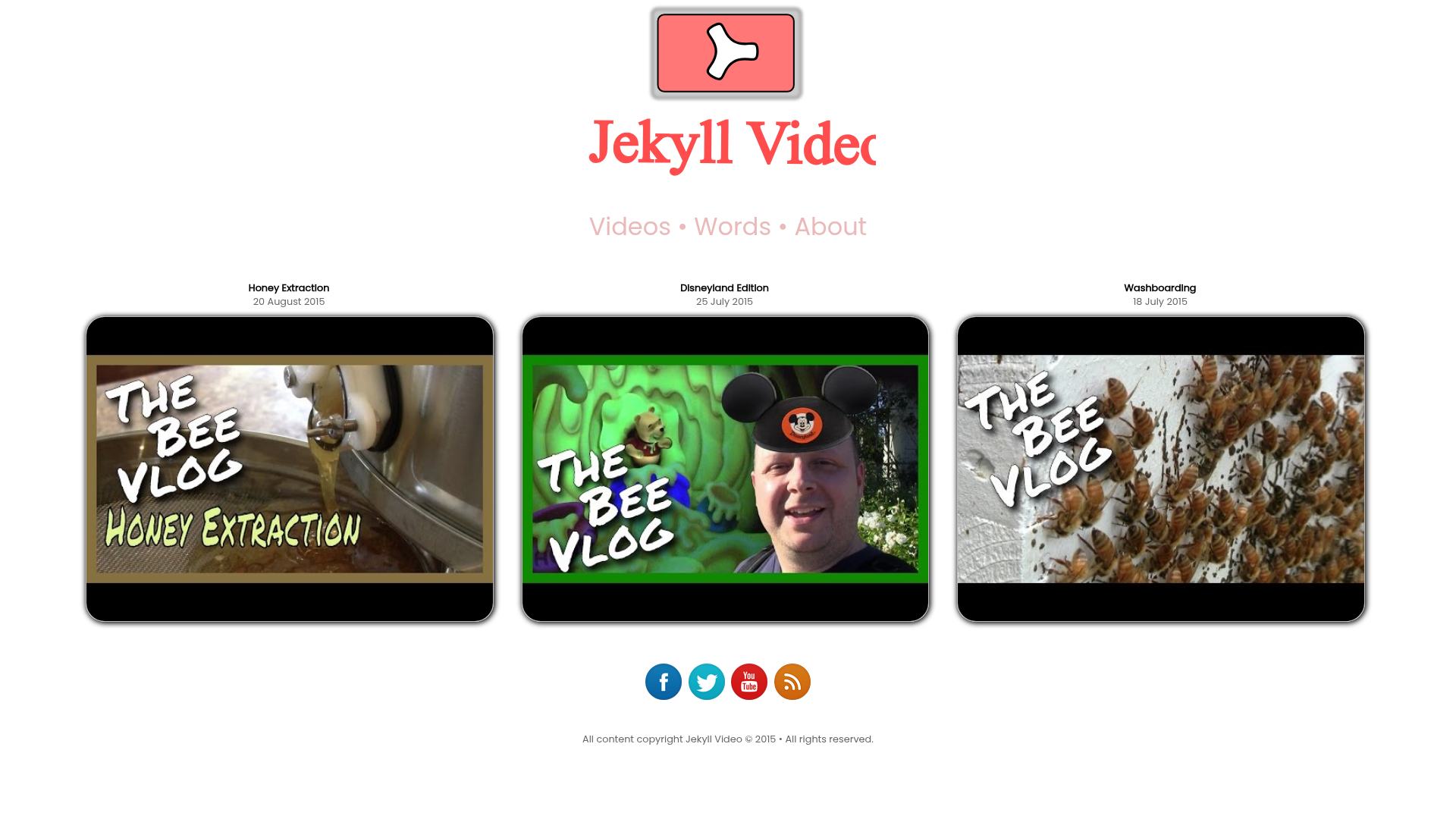
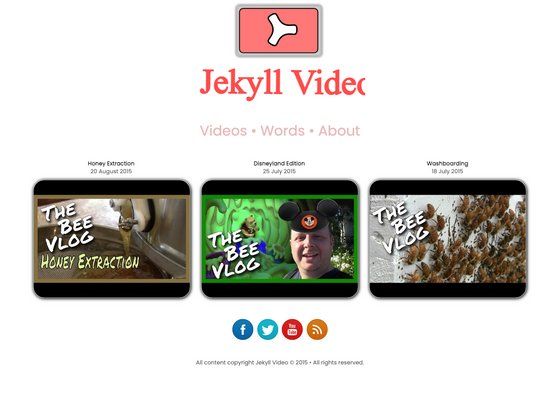
Jekyll template for a video blog with hand-written CSS, generating a static site for GitHub Pages.
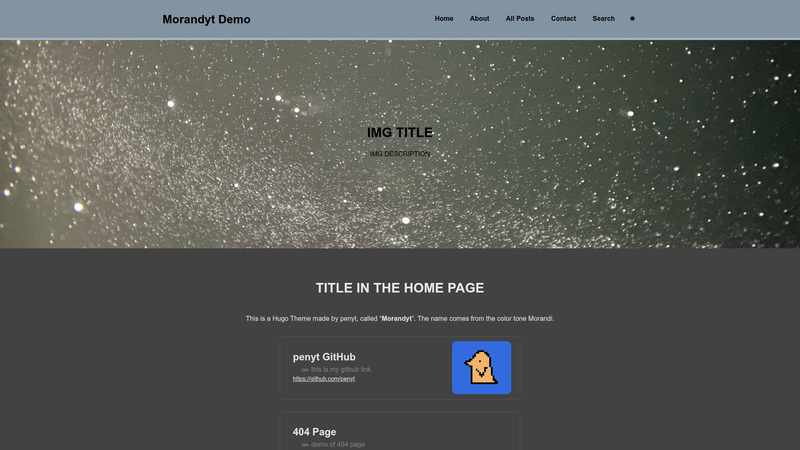
Morandyt is a minimal Hugo theme with soft, muted Morandi color palettes, built for blogs and personal sites.
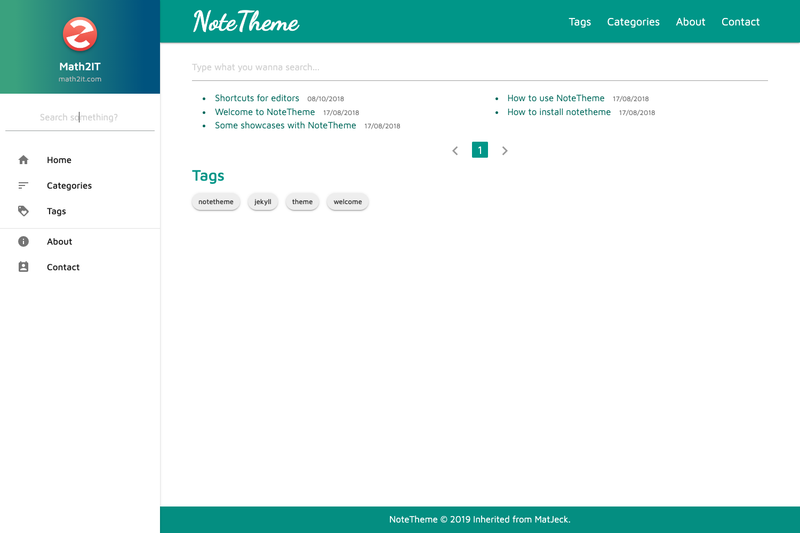
A Jekyll theme for taking notes with math and code support, featuring MathJax, DataCamp Light, Disqus, and search.
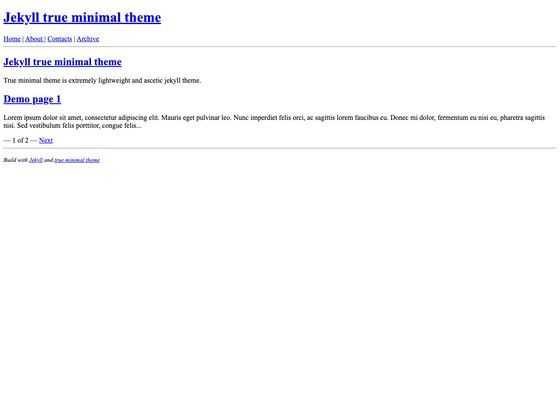
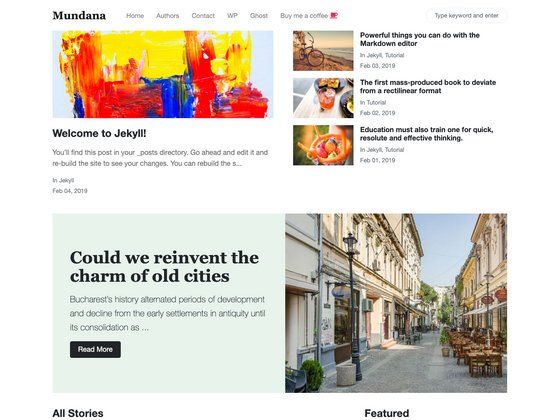
Minimal and ascetic Jekyll theme for content-focused static blogs and personal sites.
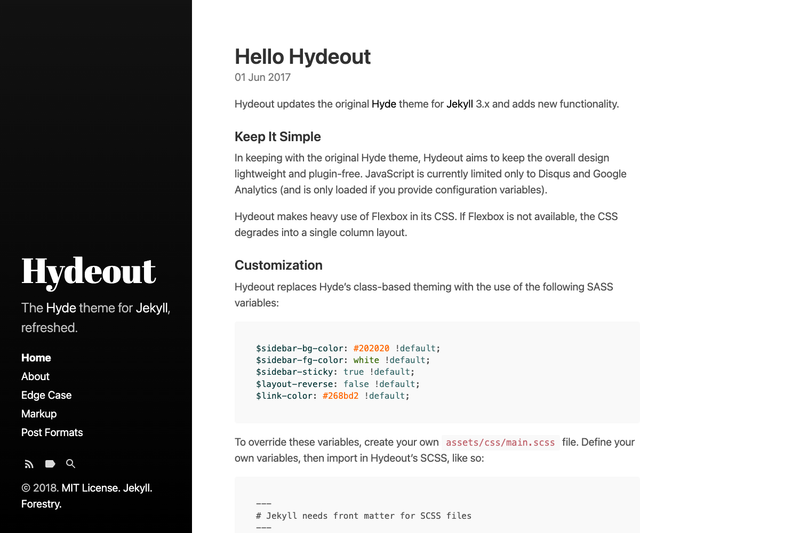
Hydeout Jekyll Starter is a lightweight Jekyll 3.x blog theme with Forestry CMS integration, Flexbox layout, and optional Disqus and Google Analytics.
Jekyll Video is a Jekyll-based template for a video blog, created by GitHub user mushishi78, that turns Markdown content into a static website with hand-written CSS.
Jekyll Video is a template for building a video blog with Jekyll, the Ruby static site generator. The public GitHub repository, which has 20 stars, lists CSS as its primary language, meaning the layout and visual design are implemented in raw stylesheets rather than a CSS framework. As a Jekyll site, it accepts content in Markdown or HTML with YAML front matter and outputs pre-rendered static pages that can be hosted on GitHub Pages, Netlify, or any static server. The template's purpose is to present video posts in a blog-style index, giving readers a list of videos and individual pages for each one.
Jekyll Video is for individuals and developers who want a no-frills video blog on a static site. A personal blogger can publish video posts with written descriptions and keep the whole site in a Git repository. A developer familiar with GitHub Pages can deploy the template in minutes, and someone learning Jekyll can study a compact, real-world theme that uses plain CSS for styling.