Newsletter
Join the Community
Subscribe to our newsletter for the latest news and updates

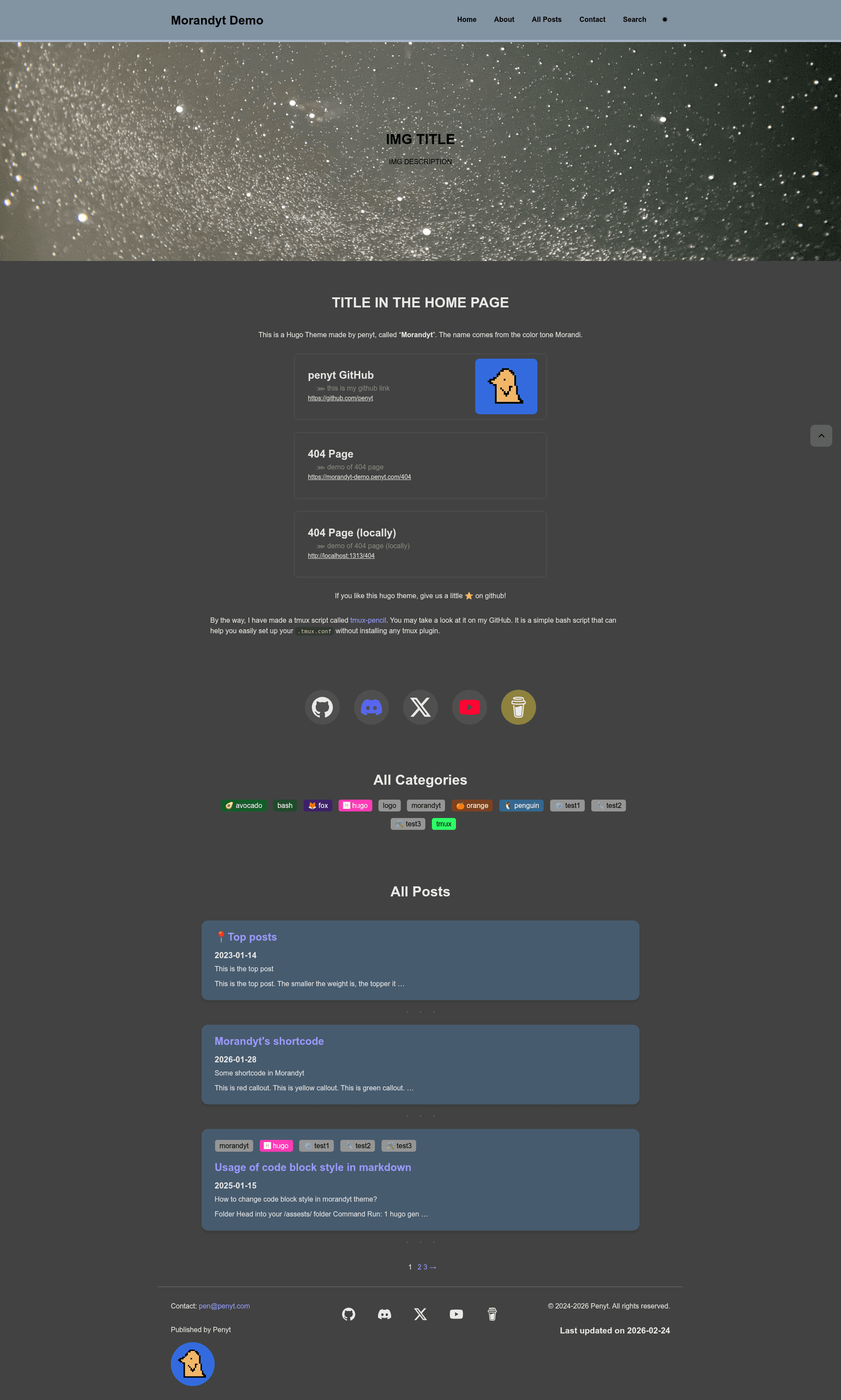
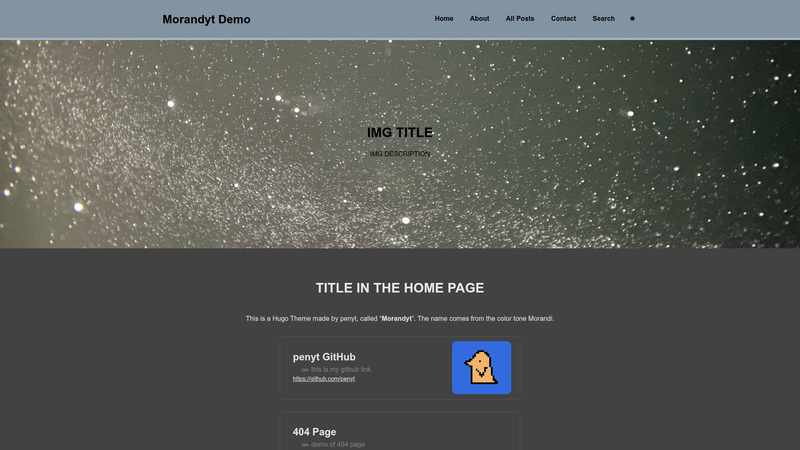
Morandyt is a minimal Hugo theme with soft, muted Morandi color palettes, built for blogs and personal sites.

Magazine style website design, wooden color, 3-column HTML CSS template, free to download and edit.
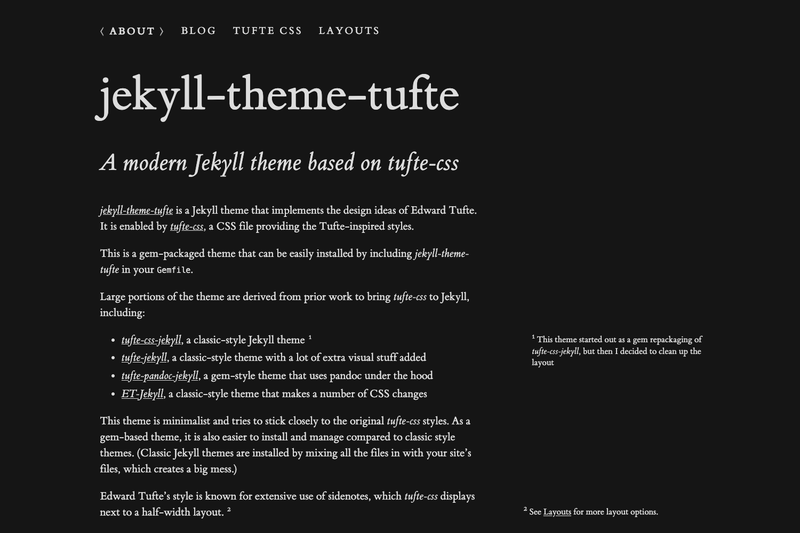
A minimalist Jekyll theme inspired by Edward Tufte's design, based on tufte-css, with margin notes and dark mode.
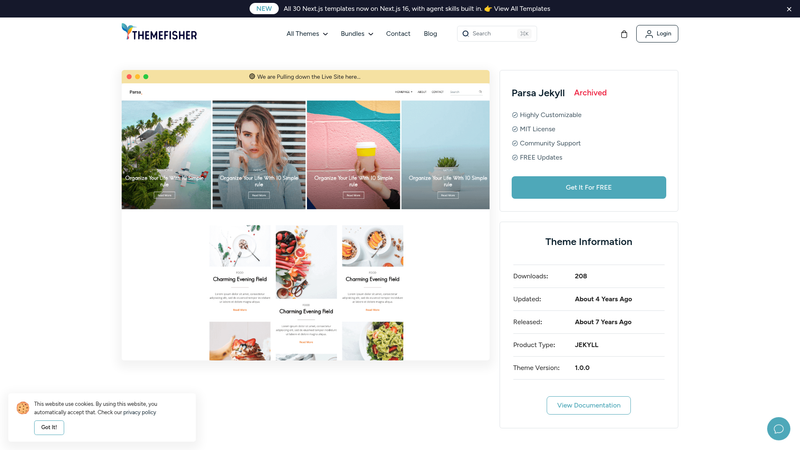
Parsa is a free Jekyll blog theme from Themefisher, ideal for personal blogs and portfolio websites, with YAML-based customization.
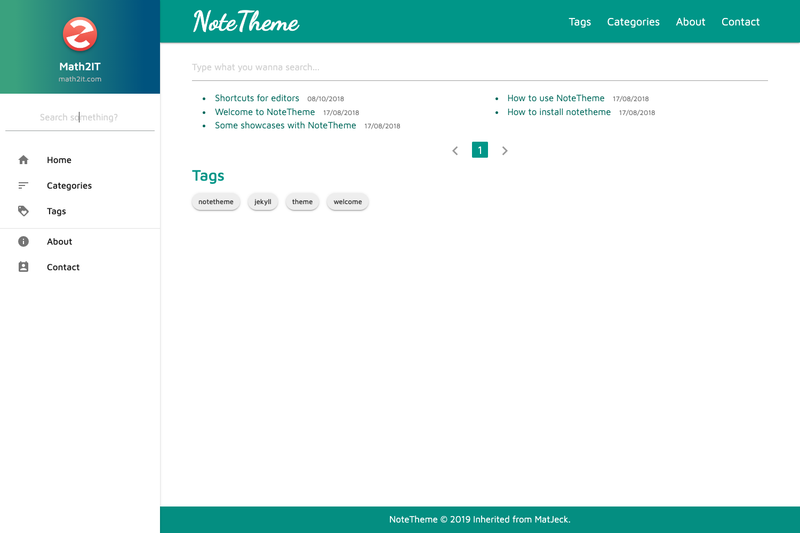
A Jekyll theme for taking notes with math and code support, featuring MathJax, DataCamp Light, Disqus, and search.
Morandyt is a minimal Hugo theme that applies soft, muted Morandi-inspired color palettes to the static site generator Hugo, designed primarily for blogs and personal websites. It is maintained on GitHub under the repository penyt/morandyt and released under the MIT License.
Morandyt is a Hugo theme that produces a lightweight, visually quiet website using the Morandi color scheme — a range of low-saturation, slightly grayed tones. The theme takes standard Hugo content as input and outputs a static HTML site with a soft, muted visual style. It runs on any Hugo site and is configured through a hugo.toml file.
git submodule add and update it later with git submodule update --remote --merge.hugo server -s themes/morandyt/exampleSite --themesDir ../...Morandyt is aimed at Hugo users who prefer a minimal, muted aesthetic for their websites. Bloggers can use it to publish articles with a soft, unobtrusive reading experience. Personal site owners can set up a simple portfolio or profile page using Hugo's static site workflow. Design-conscious developers who want a low-saturation color scheme without spending time on custom CSS will find the palette ready-built. Static site enthusiasts who use Git submodules for theme management get a straightforward installation and update path.
The installation follows the standard Hugo theme workflow. First create a new site with hugo new site mywebsite, then add the theme as a Git submodule with git submodule add https://github.com/penyt/morandyt.git themes/morandyt. After setting theme = "morandyt" in hugo.toml, you can run hugo server to view the site. To update the theme to the latest version, execute git submodule update --remote --merge.
Yes. Morandyt is released under the MIT License, meaning you can use, modify, and redistribute it freely for personal or commercial projects.
Create a new Hugo site, add the theme as a Git submodule from github.com/penyt/morandyt, set theme = "morandyt" in hugo.toml, and start Hugo's development server. The exact commands are in the README.
Yes. A live demo is available at https://morandyt-demo.penyt.com, and you can also run the example site locally using hugo server -s themes/morandyt/exampleSite --themesDir ../...
Run git submodule update --remote --merge in your site's root directory. This pulls the latest commit from the theme repository and merges it into your submodule.