Newsletter
Join the Community
Subscribe to our newsletter for the latest news and updates

Personal Hugo website template with Netlify deployment, based on the Ananke theme.
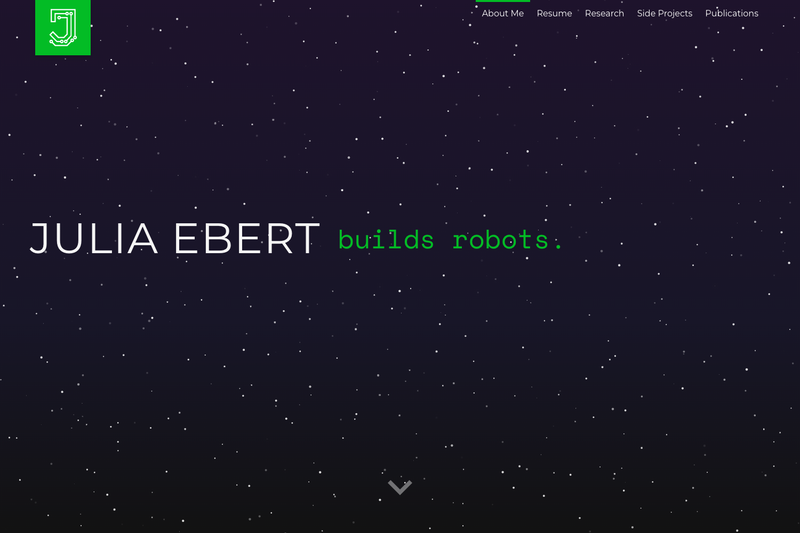
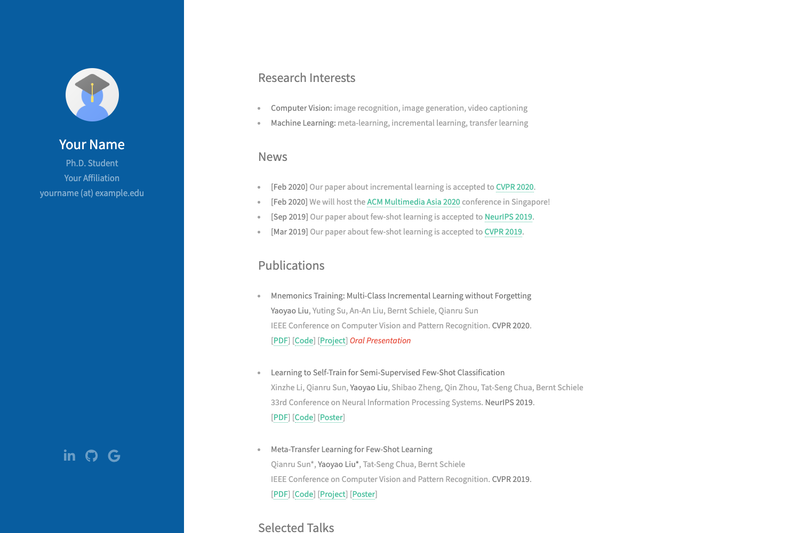
Personal website template built with Nuxt.js, featuring a printable CV, publication list, and project showcase components.
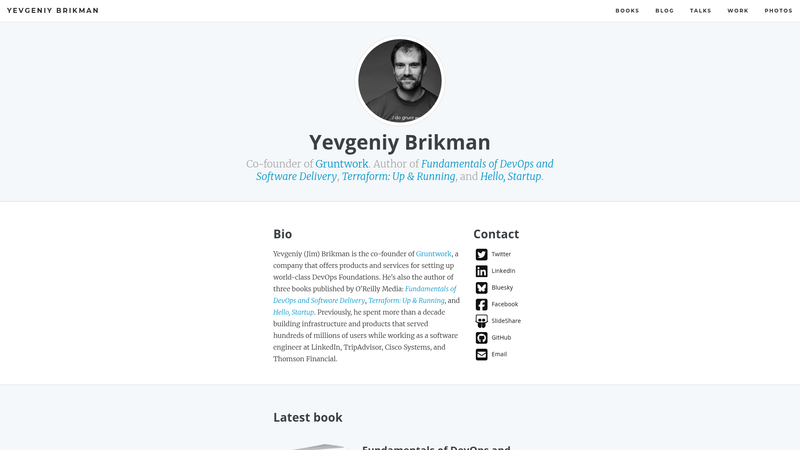
A clean, fast, mobile-friendly home page template built with Jekyll, hosted on GitHub Pages, for publishing writing, talks, projects, and photos.
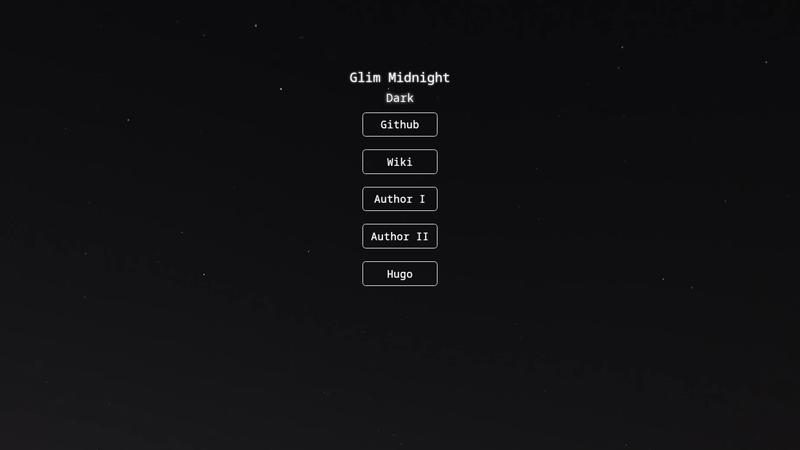
A minimal dark Hugo theme that builds a single responsive links page, styled with Bootstrap and licensed under MIT.
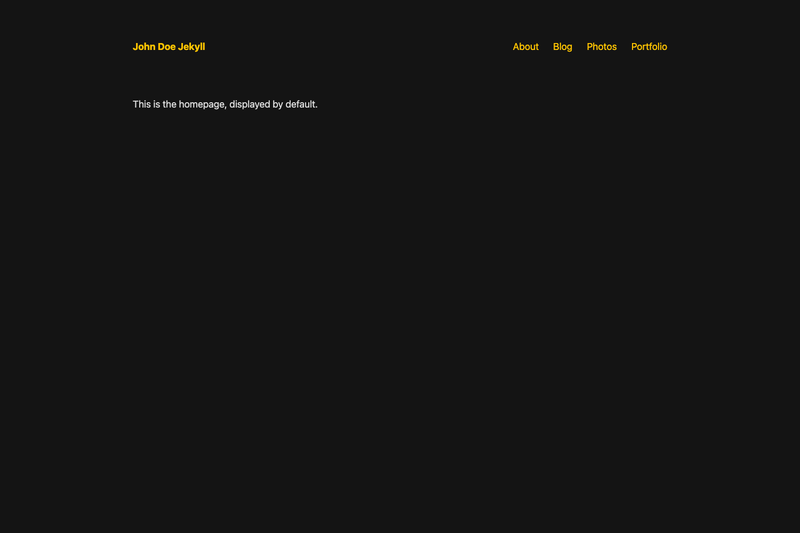
The John Doe template converted into a Jekyll theme.
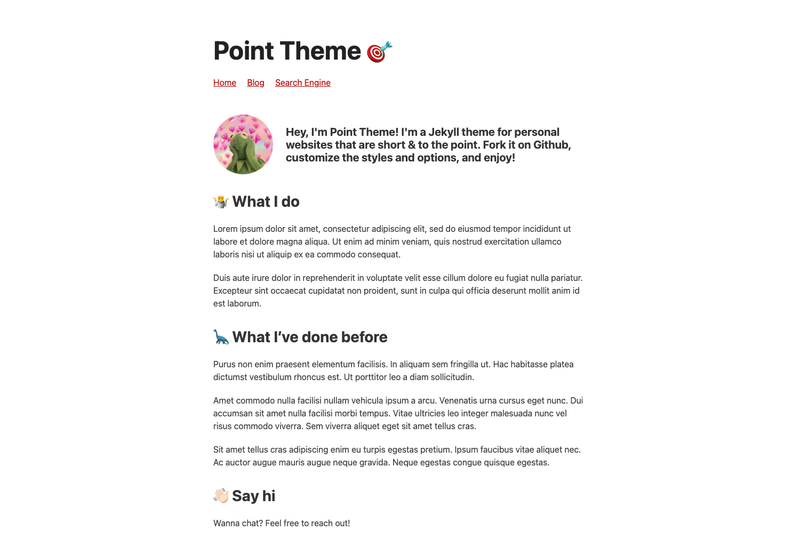
Point: a Jekyll theme for personal websites that are simple and to the point.
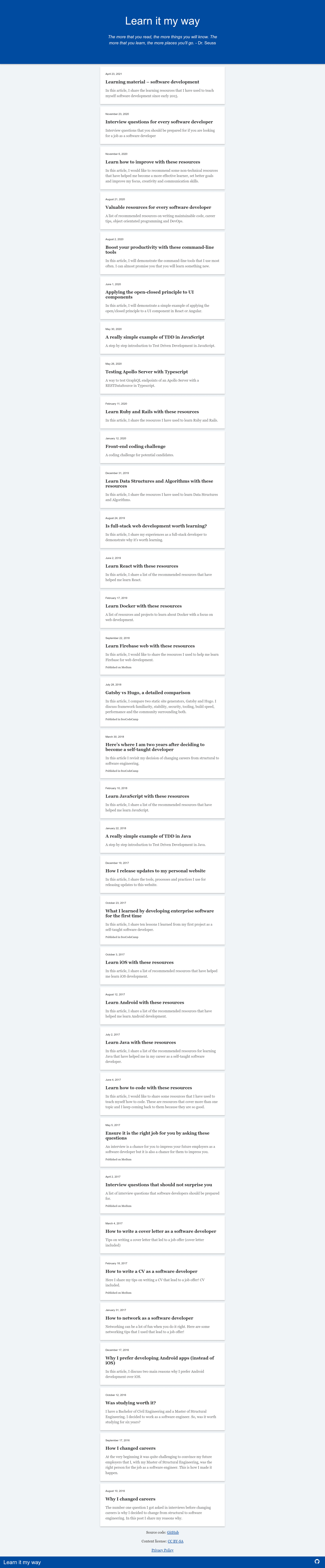
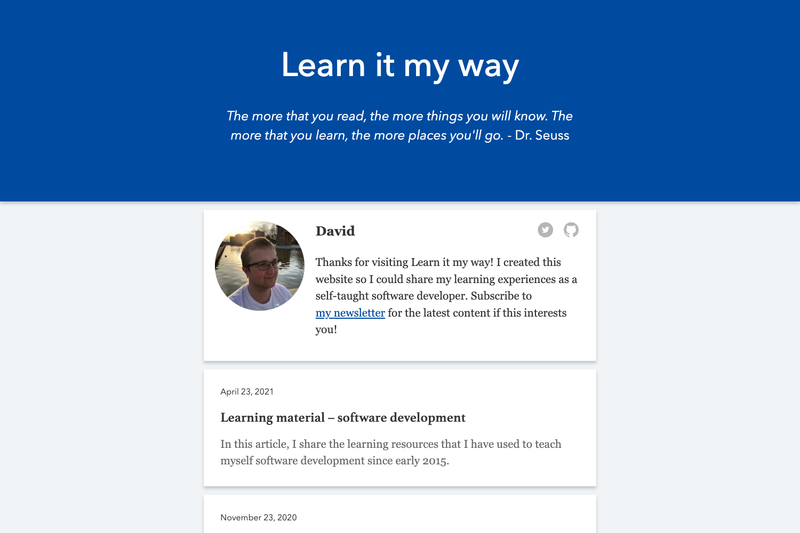
Learn it my way is a Hugo-powered personal website repository that generates a blog-style static site for Netlify hosting, built on the Ananke theme.
Learn it my way is the public source code for the personal website at learnitmyway.com. It uses Hugo as the static site generator, Netlify for hosting and continuously deploying the site, and the Ananke theme for layout and styles. The repository takes Markdown files as input, typically created with the hugo new post/ command, and outputs a static HTML site ready for deployment. Content is licensed under CC BY-SA 4.0, and the software is released under an MIT license.
Developers who want to maintain a personal blog with Hugo and Netlify can use this repository as a working example. Bloggers who prefer writing in Markdown and deploying via Git workflows will find the setup adaptable. People learning static-site generation can study how the author integrates Hugo, Netlify, PostCSS, and the Ananke theme in one project.
hugo new post/my-first-post.md.netlify.toml configuration and displays a Netlify deploy-status badge, enabling continuous deployment.make dev, plus configuration for mise and npm, automates the local setup.hugo new post/, and push to the repository to trigger a Netlify build.The local development flow starts with mise install to manage tool versions, then brew install hugo to install the Hugo binary, and npm install -g netlify-cli to get the Netlify CLI. After running netlify login and netlify link to connect the repository, you start the development server with make dev. New content is added through Hugo archetypes.
Run hugo new post/your-post-title.md in the terminal. This creates a new Markdown file in the post directory with front matter, which you can then edit and commit.
The website's content is licensed under CC BY-SA 4.0, meaning you can share and adapt it with attribution and share alike. The software code is separately licensed under the MIT license.
Yes. The repository includes netlify.toml and a Netlify status badge, and the README explains how to link the repo using netlify link. Continuous deployment is triggered by pushing changes to the connected Git repository.