Newsletter
Join the Community
Subscribe to our newsletter for the latest news and updates

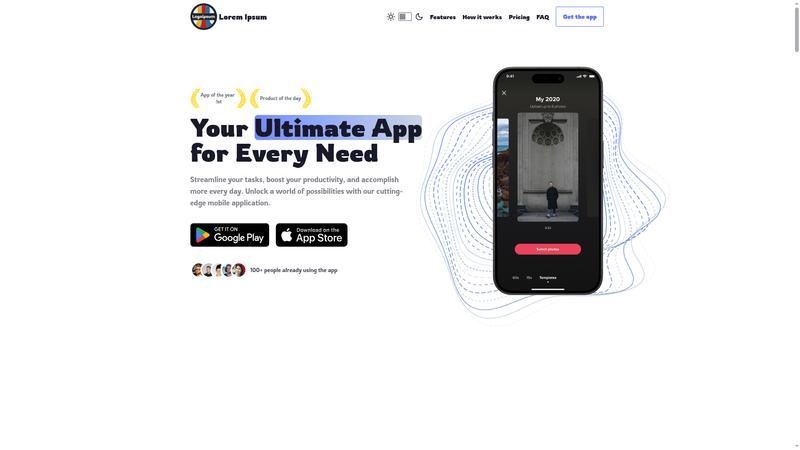
A customizable landing page template for mobile apps, built with Astro, React, TypeScript, TailwindCSS, and DaisyUI.
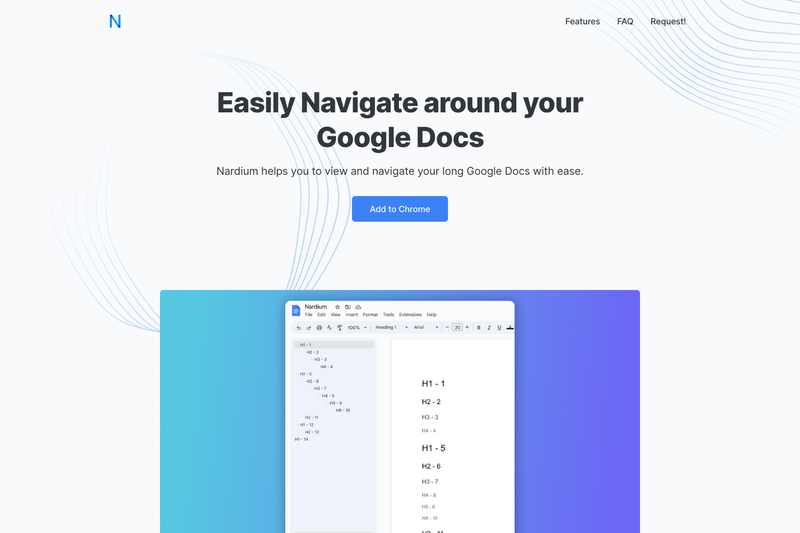
Official landing page of the Nardium Chrome Extension - a tool that helps you explore and navigate your Google Docs with ease!
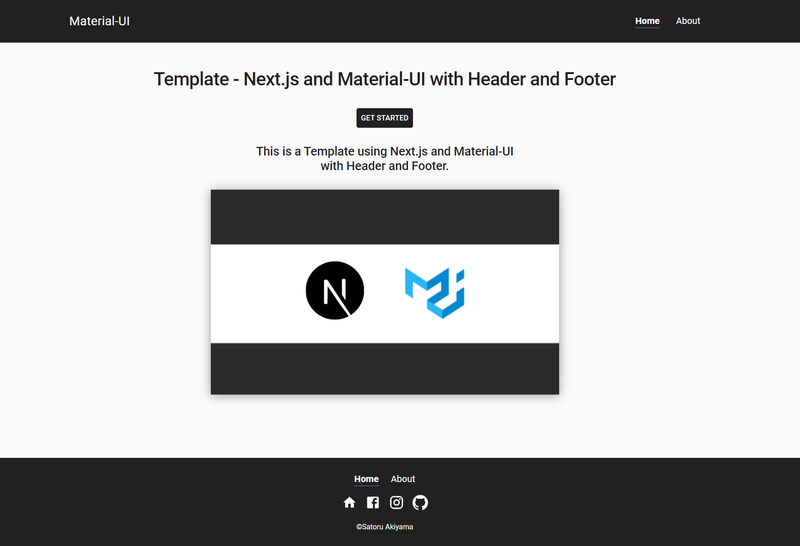
This is a Template using Next.js and Material-UI with Header and Footer.
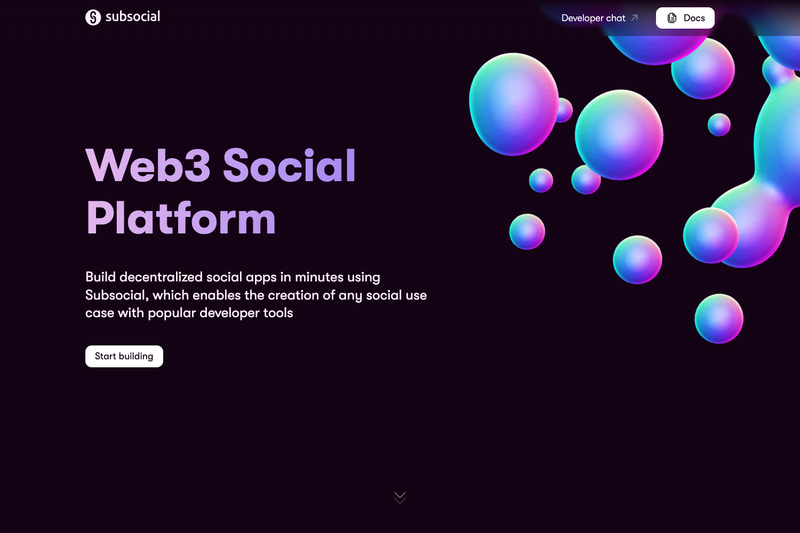
The React template showcases Subsocial's basic functionality, and allows you to get a better understanding of how to build React dapps on Subsocial.
A simple template for getting started with Next.js, Tailwind CSS, and TypeScript.
Mobile App Landing Page Template is a customizable landing page template for mobile apps, built with Astro, React, TypeScript, TailwindCSS, and DaisyUI, that generates a static, responsive marketing site with switchable themes.
This template pairs Astro's static rendering with React for interactive sections, all typed with TypeScript. You feed it your app's details through a single configuration file, and it outputs a production-ready landing page in a dist folder after running the build command. According to the repository metadata, it is designed for indie developers and small teams that need a fast, modern, and themeable landing page.
Indie developers who want to launch an app landing page quickly without building one from scratch. Small teams who need a modern marketing site for their mobile app and want a developer-friendly, typed codebase. Anyone learning Astro who wants a clean example of combining Astro with React and TypeScript.
The template requires Node.js v20 or higher and the pnpm package manager. After installing dependencies with pnpm i, you run pnpm dev for local development, then pnpm build to generate the optimized dist folder. To change content or theme, edit src/utils/config.ts, which holds most of the configuration.
It uses Astro for static rendering, React for interactive components, TypeScript for type safety, and TailwindCSS with DaisyUI for styling. The project is managed with pnpm and requires Node.js v20 or newer.
You can change the theme in src/utils/config.ts. The template supports all DaisyUI themes, and the list of available themes is on the DaisyUI documentation site.
For most sites, no. The configuration file src/utils/config.ts contains the content and theme settings, so you can deploy quickly. If you want to change the layout or add new sections, you can edit the Astro and React components directly.
Running pnpm build creates a dist folder containing the optimized production build, which you can deploy to any static hosting service.