Newsletter
Join the Community
Subscribe to our newsletter for the latest news and updates

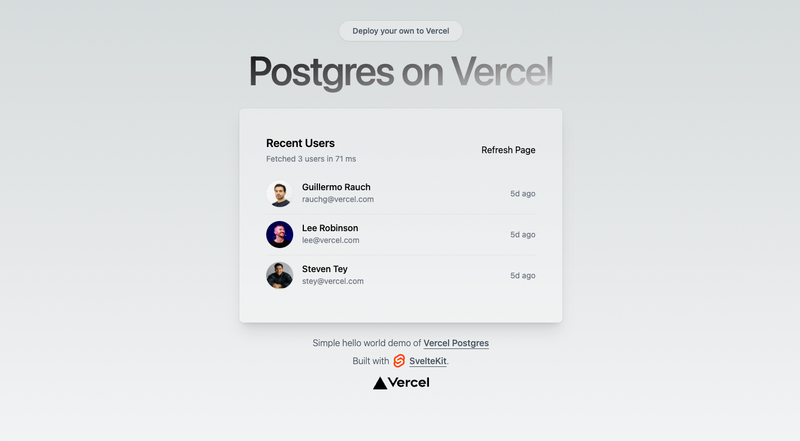
Simple SvelteKit template that uses a Postgres database.
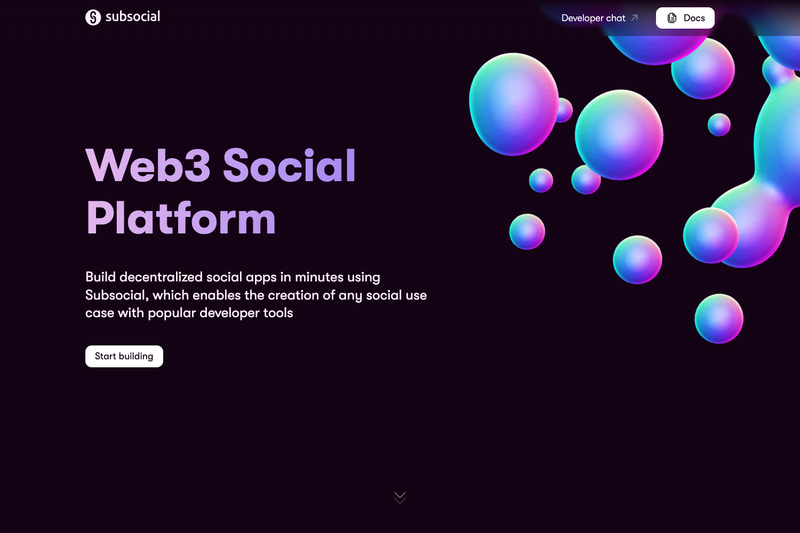
The React template showcases Subsocial's basic functionality, and allows you to get a better understanding of how to build React dapps on Subsocial.
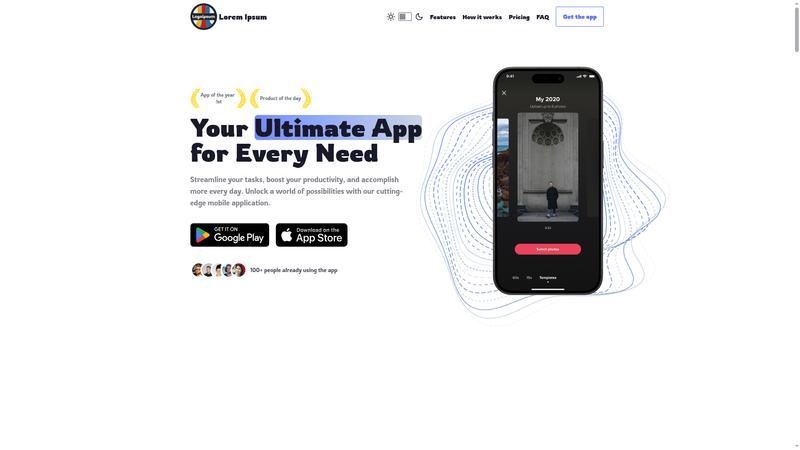
A customizable landing page template for mobile apps, built with Astro, React, TypeScript, TailwindCSS, and DaisyUI.
A simple template for getting started with Next.js, Tailwind CSS, and TypeScript.
A personal portfolio boilerplate built with Next.js, Chakra UI, MDX, and TypeScript.
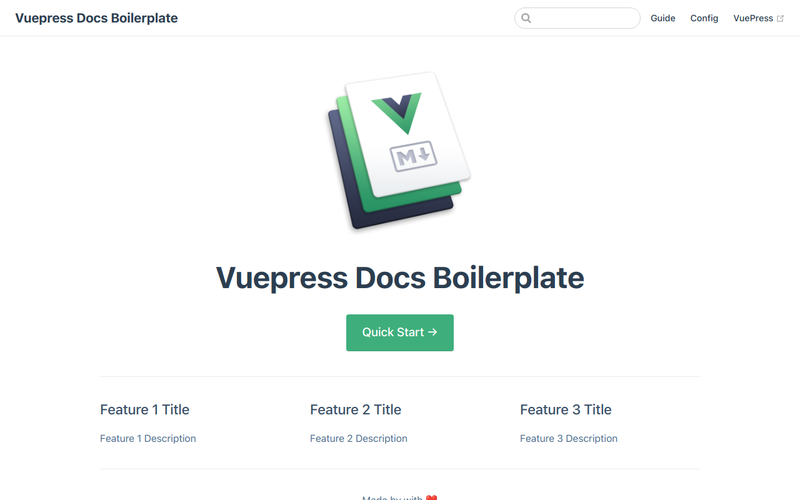
A VuePress starter site that deploys to Vercel with zero configuration.
Postgres SvelteKit Starter is a boilerplate template from Vercel that pairs the SvelteKit framework with a Postgres database and Tailwind CSS for rapid full-stack prototyping.
Postgres SvelteKit Starter is a minimal project starter maintained by Vercel in the vercel/examples repository. It gives you a SvelteKit application pre-configured with Tailwind CSS and a Postgres database connection. The template takes database credentials through environment variables and provides a working setup that can be deployed to Vercel with a single click or run locally with pnpm dev. It is one of several Postgres-oriented starters in the collection, alongside postgres-prisma and postgres-kysely.
.env.example file to guide local setup.npx degit to clone, pnpm install, and pnpm dev to start the dev server.vercel env pull .env.local to fetch environment variables from an existing linked Vercel project.The template relies on environment variables to store the Postgres connection string. After cloning the repository, copy .env.example to .env.local and fill in values from your Vercel Storage Dashboard, or run vercel env pull to fetch them. Start the dev server with pnpm dev, and deploy to production by pushing the repository to Vercel.
The same vercel/examples repository contains other Postgres starters, including postgres-starter, postgres-prisma, and postgres-kysely. These are alternative starting points that pair Postgres with different data-access layers or frameworks, so you can pick the one that matches your preferred stack.
Yes, the template is publicly available in the vercel/examples GitHub repository, so you can clone and use it at no cost. You only need a Vercel account to deploy the resulting application.
The template uses Postgres. The connection is configured through environment variables, and the one-click deploy flow includes an option to attach Vercel Postgres as the storage integration.
Copy the .env.example file to .env.local and set the environment variables to match the ones in your Vercel Storage Dashboard. If you already have a Vercel project linked, you can also run vercel env pull .env.local to populate the file automatically.
Yes, Tailwind CSS is included as the styling system, so utility classes are available in your Svelte components without any additional configuration.
A deployed demo of the starter is available at https://postgres-sveltekit.vercel.app/.