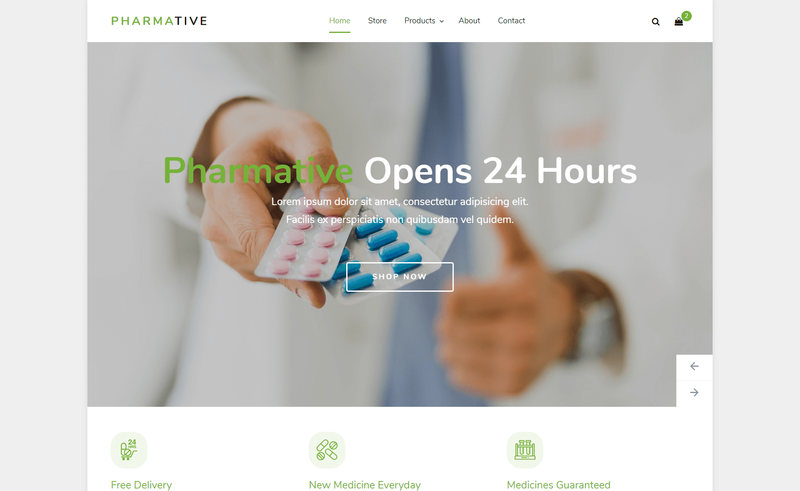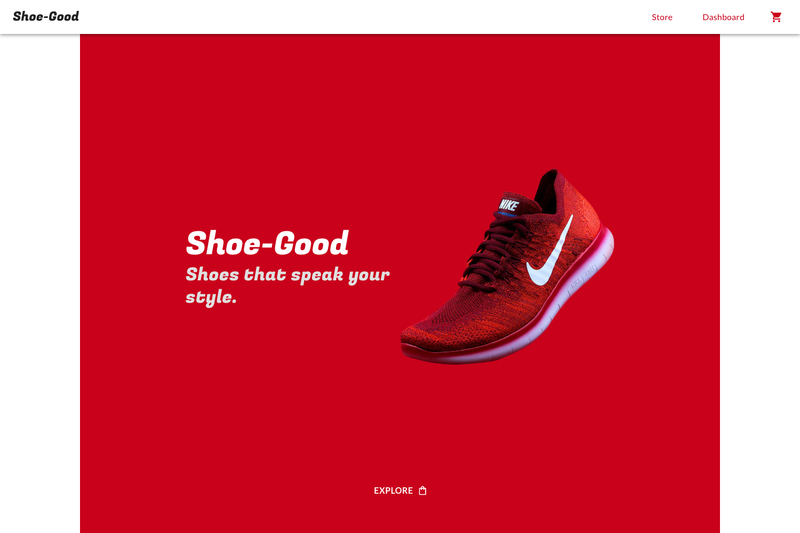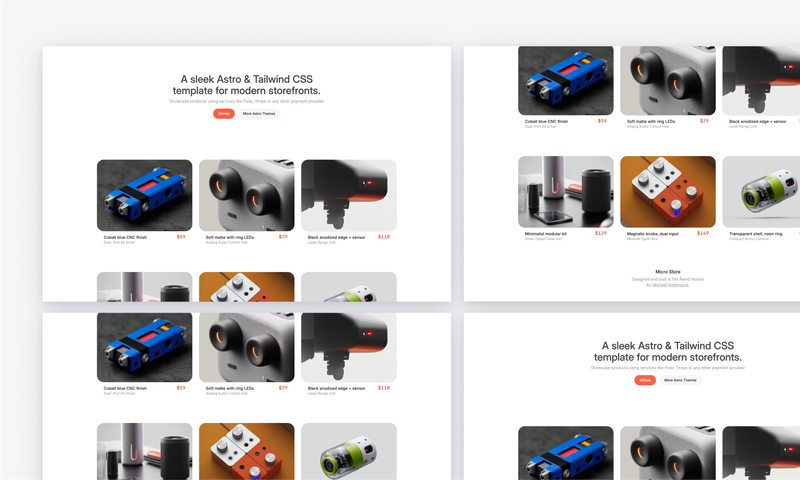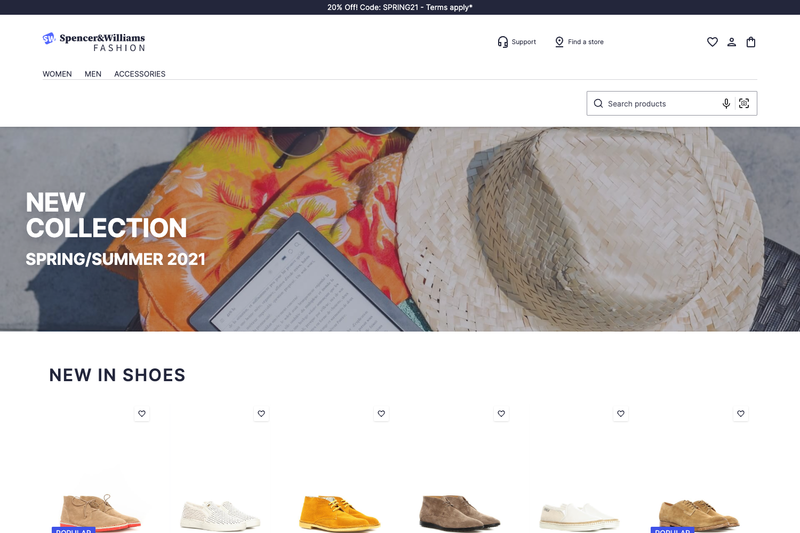
The Next.js eCommerce Storefront is a Jamstack storefront boilerplate that pairs Next.js with Crystallize, a headless commerce platform, to render products and process orders without a monolithic backend.
What is the Next.js eCommerce Storefront?
This template is a ready-to-run storefront application built with Next.js that uses Crystallize as its commerce backend. It takes a Crystallize tenant — where you define products, catalogs, and prices — and renders them as a customer-facing storefront with server-side rendering. The project requires Git, Node.js, and a Crystallize account to run locally. It is published under the repository metadata describing it as a "Jamstack eCommerce Storefront using Crystallize & Next.js," and it carries topics for Vercel, indicating deployment targeting that platform.
Key Features
- Jamstack architecture — The storefront is statically generated and server-rendered via Next.js, enabling fast loads and good SEO without a traditional web server.
- Crystallize headless commerce — Product data, pricing, and images are managed in Crystallize and fetched through its API, so the storefront stays decoupled from backend logic. Crystallize handles order management and cart functionality, leaving the Next.js app to focus on presentation.
- Next.js framework — Uses Next.js for routing, server-side rendering, and static generation, giving developers a familiar React-based toolchain.
- Vercel deployment — The repository includes Vercel in its topics, suggesting one-click or streamlined deployment to Vercel's edge network.
- Starter prerequisites — Setup assumes Git and Node.js are installed, plus a Crystallize account to supply the storefront with data.
Who is it for?
- Next.js developers — Build a storefront without creating commerce logic from scratch, using a codebase structured around Crystallize's data model.
- Businesses using Crystallize — Get a customer-facing storefront that matches the headless commerce setup already in place.
- Jamstack enthusiasts — Use the template as a reference for combining a headless commerce API with a statically generated front end.
What can you do with the Next.js eCommerce Storefront?
- Launch a storefront: Point the template at a Crystallize tenant and render your product catalog with Next.js.
- Customize the UI: Modify the React components to match a brand's look, since the storefront is just a Next.js app.
- Deploy to Vercel: Push the repository to Vercel for a hosted, continuously deployed storefront.