Newsletter
Join the Community
Subscribe to our newsletter for the latest news and updates

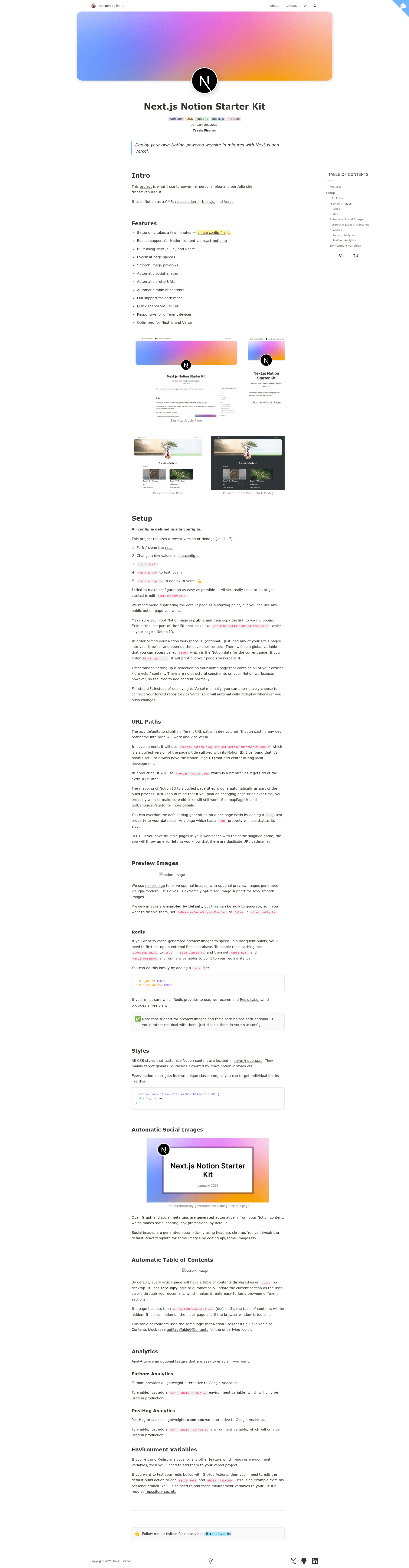
Deploy your own Notion-powered website in minutes with Next.js and Vercel.
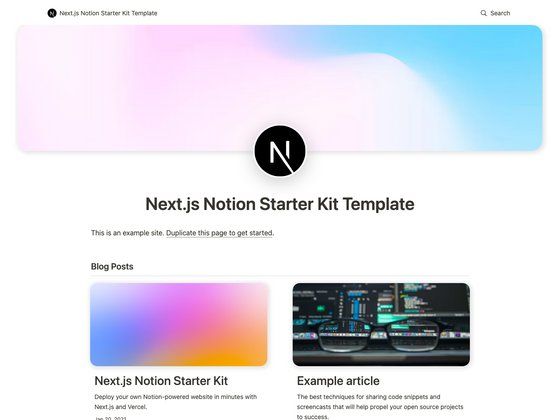
A Gatsby v2 starter with TypeScript, Emotion, Storybook, and Plop file generators.
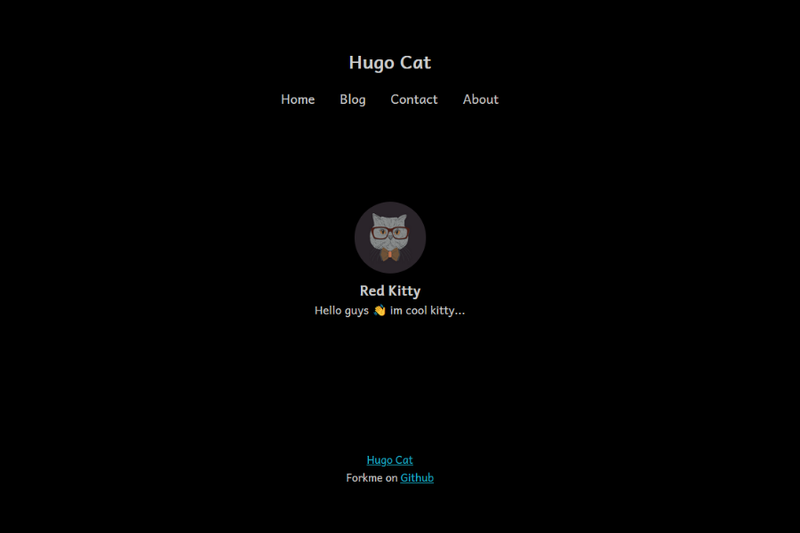
A free Hugo theme based on Hugo Red Rose, rewritten without Bootstrap for lighter static sites.
Feature-packed, zero-setup Next.js boilerplate with edge-ready deployment, TypeScript, Tailwind, tRPC, and testing tools.
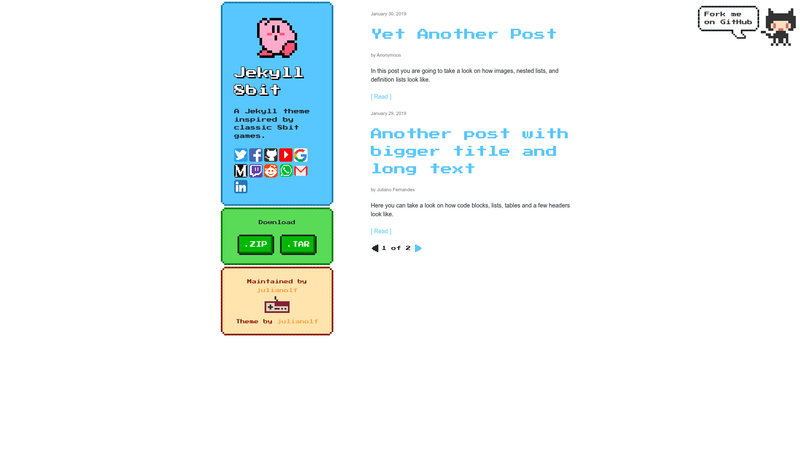
A Jekyll theme inspired by classic 8bit games, styled with NES.css and ready for GitHub Pages.
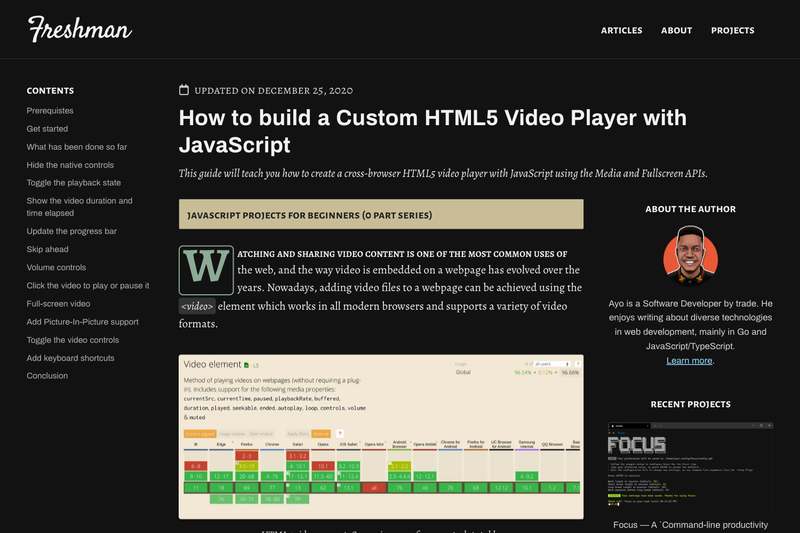
A JavaScript-based custom HTML5 video player with fullscreen, picture-in-picture, and custom controls.
Next.js Notion Starter Kit is a boilerplate template for building Notion-powered websites with Next.js, react-notion-x, and Vercel.
The kit turns any public Notion page into a blog or portfolio site. It takes your Notion page ID as input and generates a production-ready Next.js application with automatic page routing, social images, and table of contents. The kit is authored by Travis Fischer and powers his personal site transitivebullsh.it. The stack is Next.js with TypeScript and React, using react-notion-x to render Notion blocks.
site.config.ts; set rootNotionPageId to your public page ID and you're ready to build.styles/notion.css.next/image with optional lqip-modern generated previews; enable Redis caching via REDIS_HOST and REDIS_PASSWORD to speed up rebuilds.NEXT_PUBLIC_FATHOM_ID or NEXT_PUBLIC_POSTHOG_ID to enable privacy-friendly analytics in production only.Setup takes a few minutes: fork the repo, edit site.config.ts, run npm install and npm run dev, then deploy with npm run deploy to Vercel. Make your root Notion page public and copy its page ID from the URL. The build process maps Notion pages to clean slugs automatically, and you can override slugs per page with a Slug property in your database.
Free and open source under the MIT License. You'll pay only for Vercel hosting if you deploy there, and optionally for a Redis instance if you enable preview image caching.
Yes, as long as the page is public. Set rootNotionPageId to the page's ID, and the kit will render it as your site.
Basic familiarity helps, but configuration is just editing site.config.ts. No custom component work is required for a standard blog or portfolio.
Yes, add a Slug text property to a Notion database, and any page with that property will use it as its slug. Duplicate slugs cause a build error.
Yes, the kit includes full dark mode with a toggle in the footer.
Yes, both Fathom and PostHog are supported by setting environment variables; they only activate in production.