Newsletter
Join the Community
Subscribe to our newsletter for the latest news and updates

Feature-packed, zero-setup Next.js boilerplate with edge-ready deployment, TypeScript, Tailwind, tRPC, and testing tools.
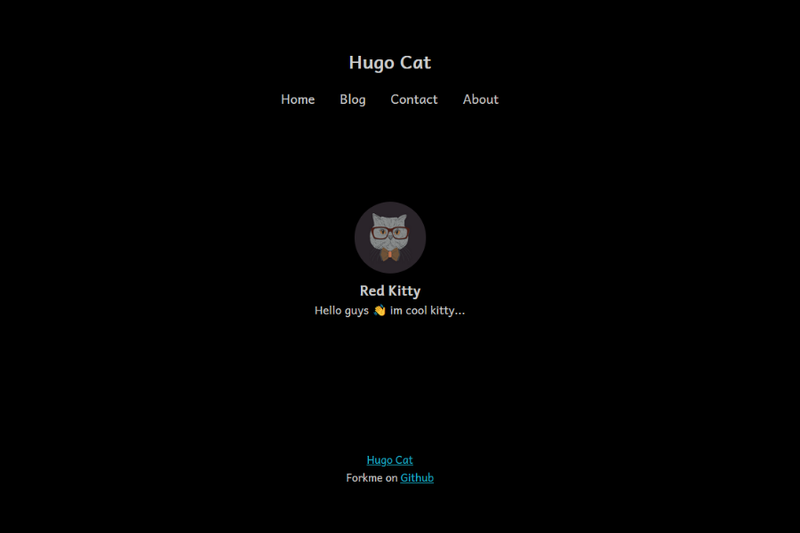
A free Hugo theme based on Hugo Red Rose, rewritten without Bootstrap for lighter static sites.
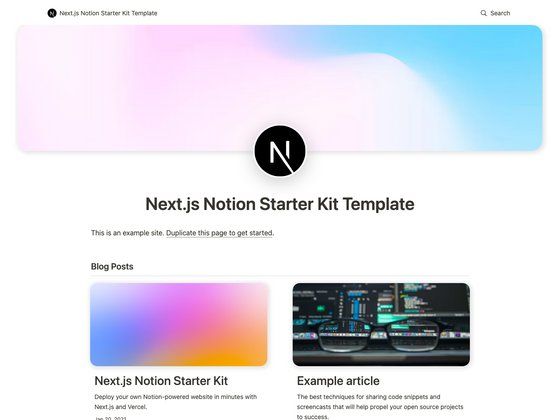
Deploy your own Notion-powered website in minutes with Next.js and Vercel.
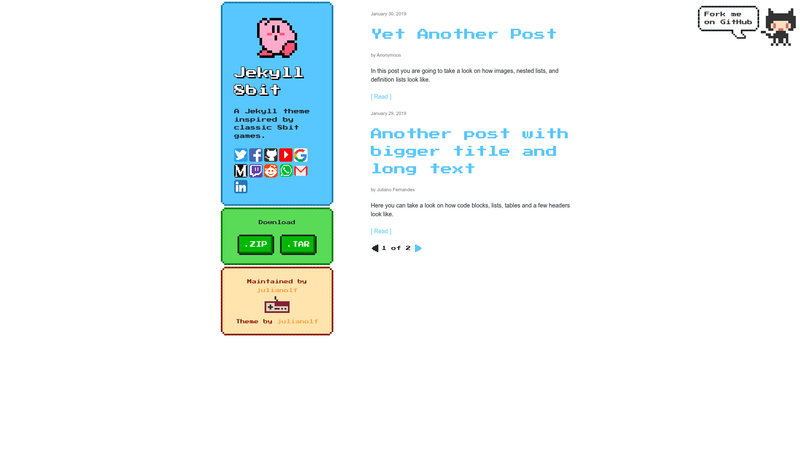
A Jekyll theme inspired by classic 8bit games, styled with NES.css and ready for GitHub Pages.
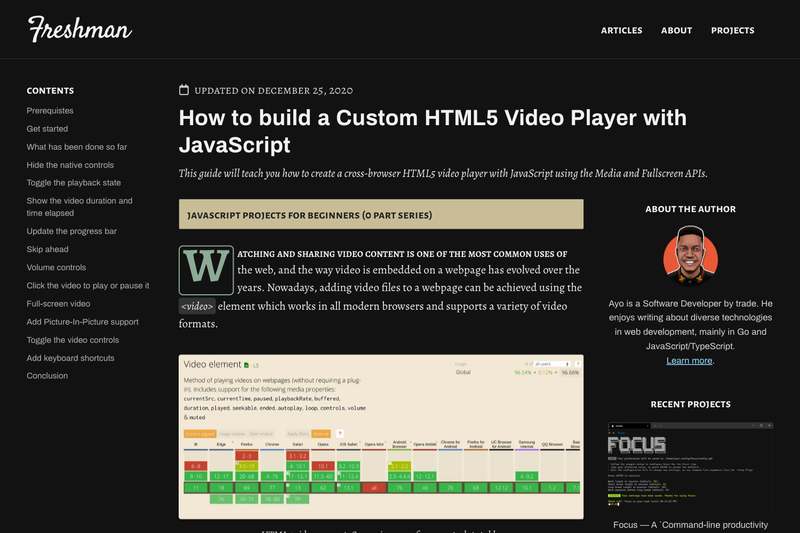
A JavaScript-based custom HTML5 video player with fullscreen, picture-in-picture, and custom controls.
Next Kickstart is a feature-packed Next.js boilerplate that gives you a zero-setup, edge-ready starter app with TypeScript, Tailwind CSS, tRPC, and a full testing stack out of the box. Created by Syhner, this template is designed to be cloned and run immediately, with optional integrations enabled through environment variables when you need them.
Next Kickstart is a Next.js boilerplate that runs on the edge (e.g., Vercel) with no initial configuration required. It takes a fresh clone of a repository and provides a preconfigured development environment including ESLint, Prettier, TypeScript, Tailwind CSS, shadcn/ui, and tRPC. The app includes example pages demonstrating tRPC in client and server components, a WebSockets demo, and an auth profile page when the optional features are enabled. Most optional features, such as Drizzle ORM, Lucia Auth, WebSockets via Pusher, and next-pwa, are marked with a lightbulb icon in the README and are disabled by default so the core app starts instantly.
There are two starting paths: clone and deploy with Vercel, or fork and run locally. For local development, the README recommends forking the repository, cloning it, and then installing dependencies with pnpm (pnpm install && pnpm run dev). Alternatively, you can spin up a container with docker-compose from docker/dev/docker-compose.yml. Optional features are toggled by uncommenting code blocks in the config and adding the required environment variables.
The repository is publicly available on GitHub and can be forked and cloned without paying a license fee. There is no mention of paid tiers or commercial licensing restrictions on the README.
No. The core app runs out of the box with zero configuration. Features that need environment variables are disabled by default, so you can start the dev server immediately. Enabling those features requires uncommenting lines and providing env credentials.
The README targets Next.js with the app directory (App Router), and the repository metadata lists Next.js 14. The tsconfig.json includes modifications from create-next-app with inline comments.
In the README, each optional feature is labeled with 💡 and points to the specific files to edit. You uncomment all lines under the @enable marker for that feature and add the required environment variables to be validated by T3 Env.
Yes. The repository includes docker/ directory with Dockerfile and docker-compose.yml for both development and production. A quick start command is docker-compose --file docker/dev/docker-compose.yml up.