Newsletter
Join the Community
Subscribe to our newsletter for the latest news and updates

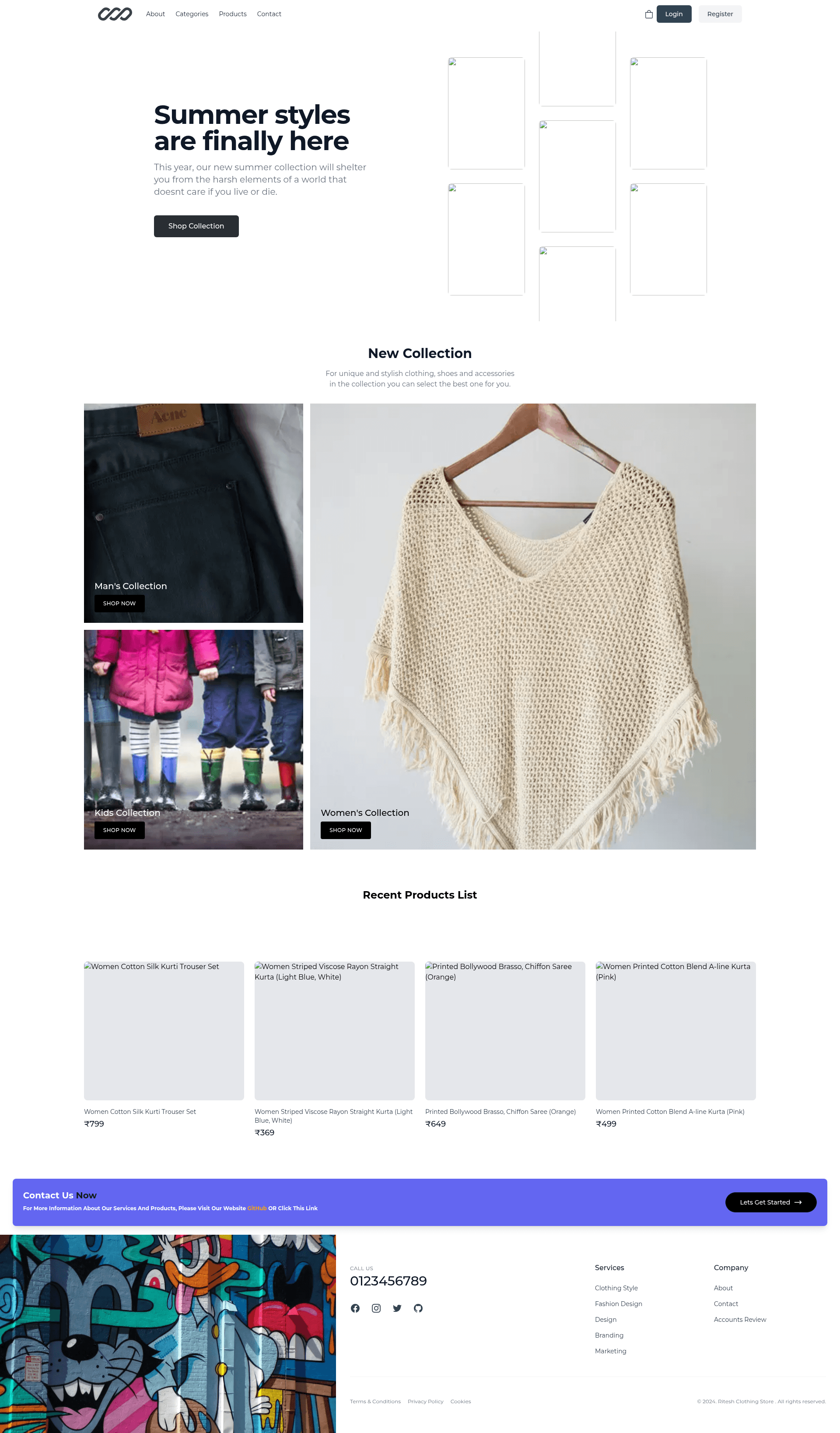
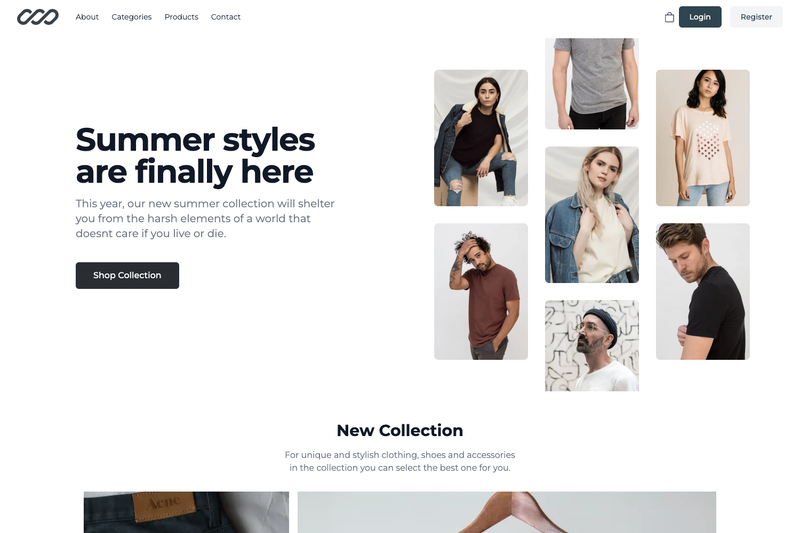
Full E-commerce Website using Next.js
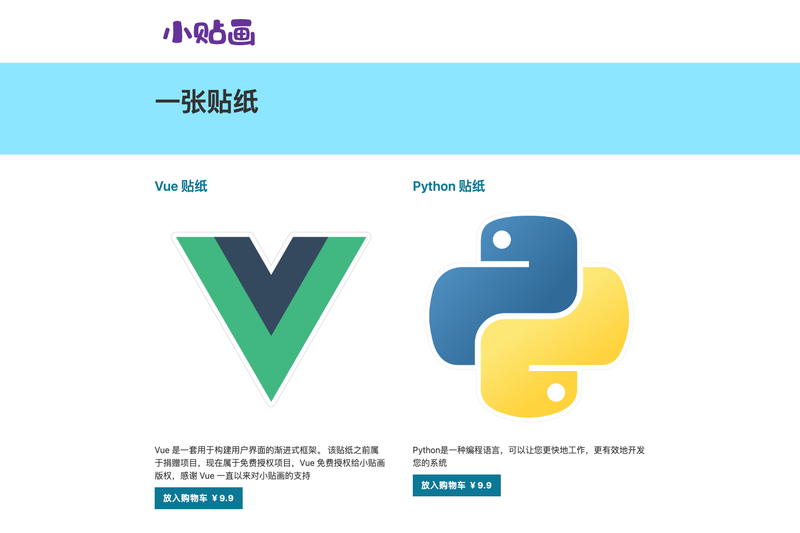
The Small Sticker store for sticker and other programmer goodies.
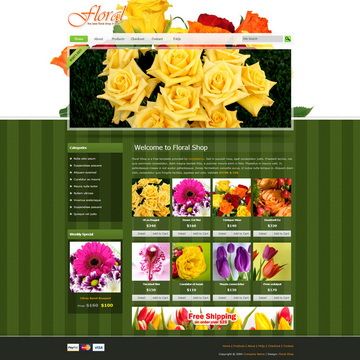
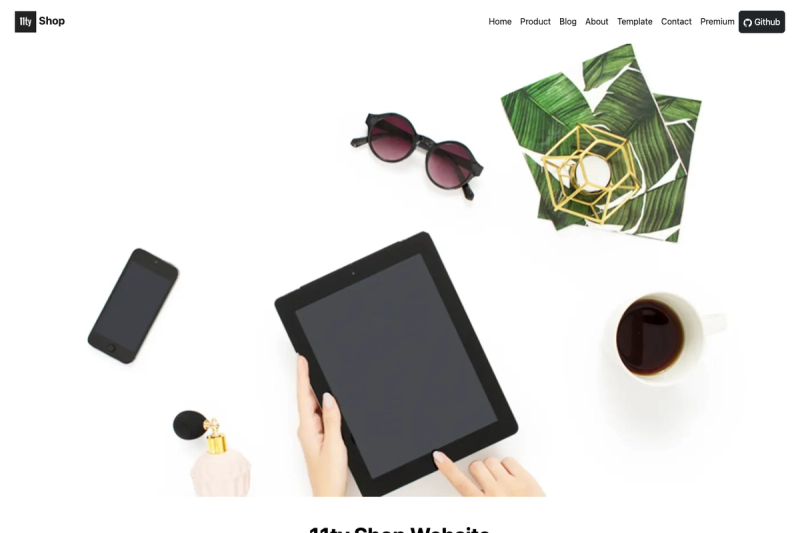
Floral Shop is free web template for ecommerce stores or online shopping websites. Products, Shopping Cart, FAQs and Checkout pages are included.
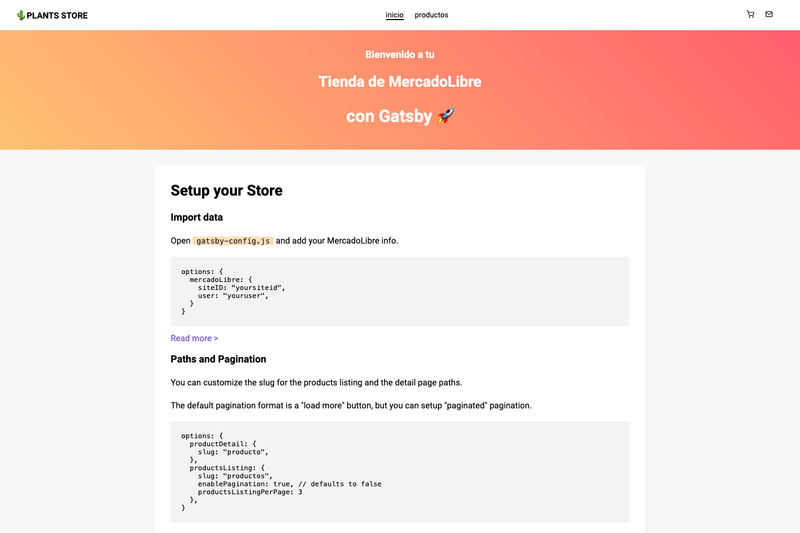
Gatsby Theme that sources from MercadoLibre creating a showcase of products.
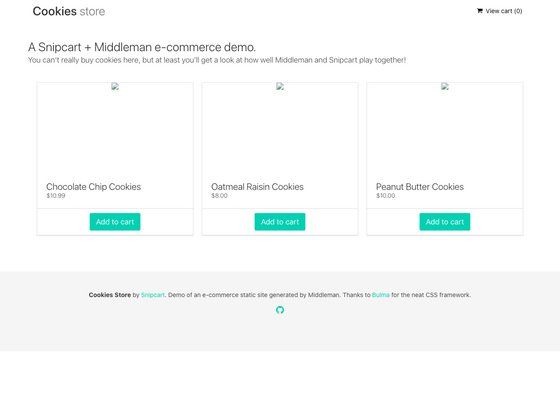
Demo code for an e-commerce static site with Snipcart & Middleman.
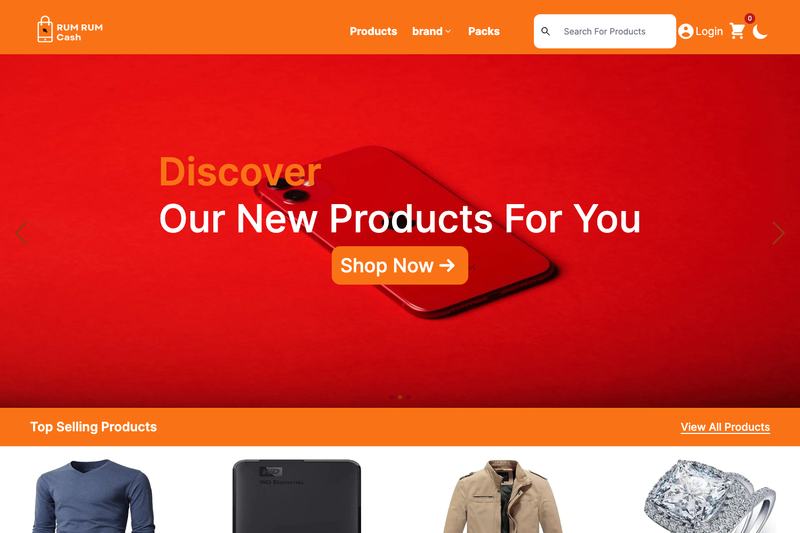
Next.js Commerce is an ecommerce storefront template built with React, Recoil, and Tailwind CSS, ready to deploy on Vercel.
Next.js Store is a full e-commerce website template built with Next.js, React, Firebase, and Mongoose, providing a ready-to-customize storefront with JWT authentication.
Next.js Store is an open-source, MIT-licensed starter project for building e-commerce websites. It takes environment variables for database connection, JWT secrets, and Firebase keys as input, and produces a running Next.js storefront served by npm run dev. The project is maintained by the developer riteshk-007 on GitHub.
JWT_SECRET environment variable to sign and verify JSON Web Tokens for user authentication.FIREBASE_KEY environment variable, enabling cloud services.CONNECT_DB environment variable to connect to a database; the Mongoose topic indicates MongoDB integration..env file, keeping credentials out of the codebase.The setup is a standard Next.js workflow: clone the repository, install dependencies with npm install, create a .env file at the root with the required variables, and run npm run dev to start the development server.
Next.js Store is free and open source under the MIT license, so you can use it for personal or commercial projects without paying fees.
Next.js Store is a full e-commerce website template built with Next.js, React, Firebase, and Mongoose. It provides the foundation for an online store with JWT authentication and database connectivity, and it is available under the MIT license.
The project requires three environment variables in a .env file: CONNECT_DB for the database connection string, JWT_SECRET for signing JSON Web Tokens, and FIREBASE_KEY for connecting to Firebase.
Clone the repository, run npm install to install dependencies, create a .env file with the required keys, and start the development server with npm run dev. Then open the localhost URL in your browser.
Yes, it is released under the MIT license, which allows free use, modification, and redistribution, including for commercial purposes.
The project uses Mongoose, which is an Object Data Modeling library for MongoDB. The CONNECT_DB environment variable is intended to hold the connection string to a MongoDB database.