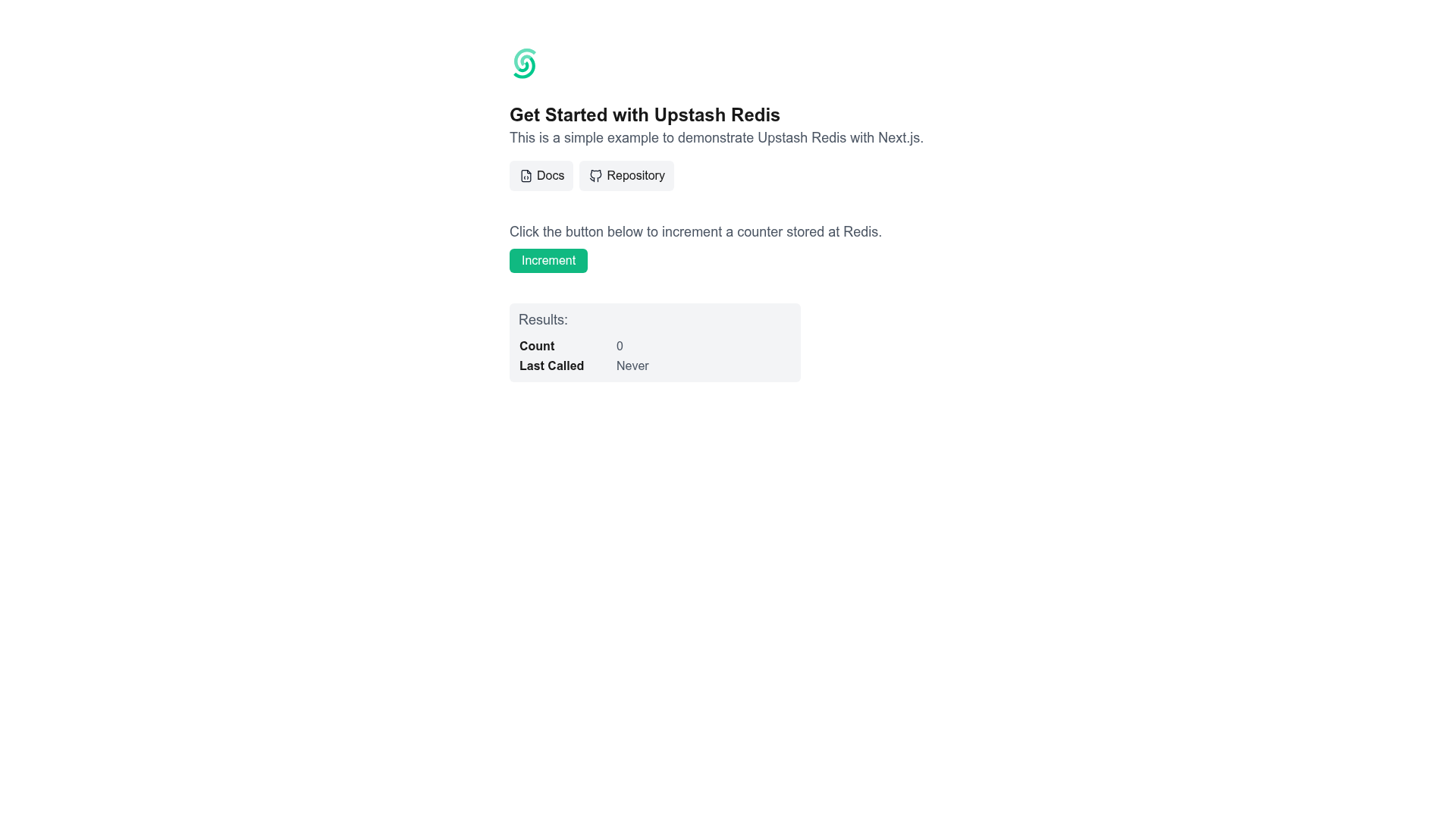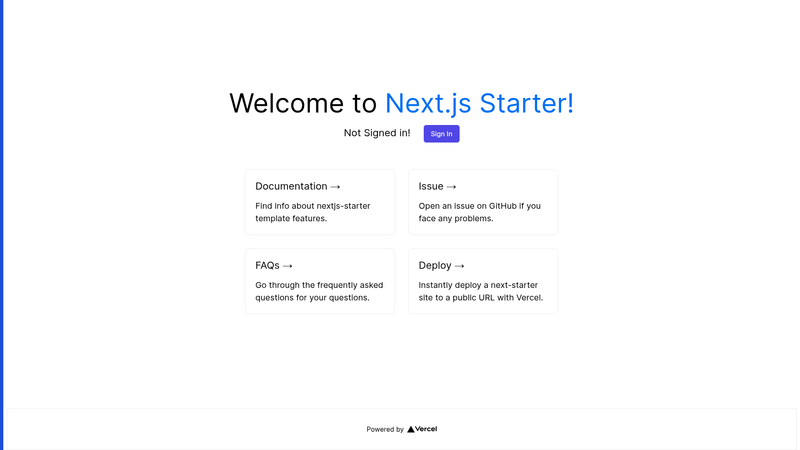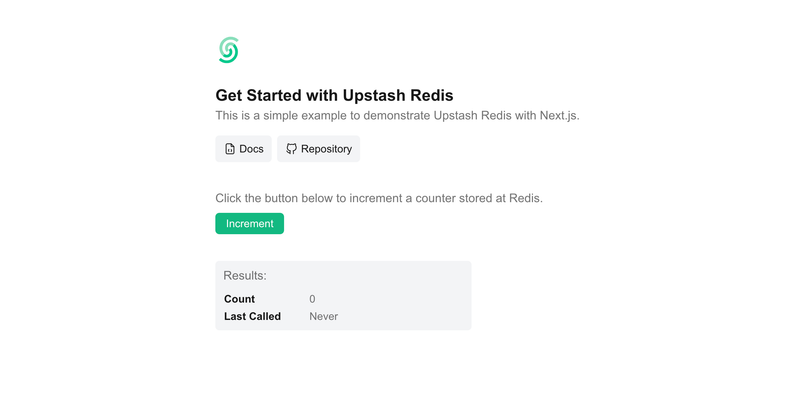
Next.js with Redis is a boilerplate example from Upstash that demonstrates how to integrate a Redis database as a state store inside a Next.js application written in JavaScript.
What is Next.js with Redis?
Next.js with Redis is a starter repository created by CahidArda and published under Upstash's examples collection. It pairs the Next.js React framework with Upstash's serverless Redis service to show how to hold application state in Redis rather than in memory. The example takes a standard Next.js project and wires it to a Redis database, producing a working reference for server-side state persistence that can scale across serverless instances.
Key Features
- State store focus — The template is categorized under the State Store use case, illustrating Redis as a persistent state holder for a Next.js app.
- Upstash Redis integration — Integrates the Upstash Redis service with Next.js via JavaScript code, connecting to a cloud Redis instance from server-side logic.
- JavaScript codebase — The entire example is written in JavaScript (tagged with the 'js' language), so it fits developers working in plain JS/Node environments.
- Real-time update support — The README advertises that state stored in Redis enables real-time updates and scalability for the user experience.
- Part of a broader examples collection — This repository belongs to Upstash's set of examples for using their services with various technologies, with the repository metadata describing it as 'Examples how to use Upstash with various tech'.
- Official documentation links — The README includes links to Upstash's Documentation, Website, Blog, Console, and Discord, giving developers a path to learn more and get support.
Who should use Next.js with Redis?
Next.js developers who need durable server-side state such as session data, cached results, or shared counters will find this template a direct starting point. It also suits teams evaluating Upstash as a managed Redis provider, since the example shows a minimal wiring between the framework and the service. JavaScript developers new to Redis can use the repository to see a concrete state store implementation in a familiar stack.
What can you do with Next.js with Redis?
- Next.js developers: Use this template to add a Redis-backed state store to a React application, which the README suggests enables scalability and real-time updates.
- Upstash evaluators: Run the example to test how Upstash Redis behaves in a Next.js environment before committing to the service.
- Stateful app builders: Adapt the pattern to persist application state that needs to survive server restarts or be shared among multiple instances.
FAQ
Is Next.js with Redis free?
The template is a public GitHub repository and can be cloned or used at no cost. The example itself has no licensing restrictions stated, and Upstash services have their own pricing models.
What language is the example written in?
JavaScript is the only language listed in the repository metadata, so the example code is written in JavaScript and designed for use with Next.js.
Where can I find setup instructions?
The README links to Upstash's Documentation, Website, and Console. From there you can create a Redis database and follow the example code to connect it to a Next.js app. The repository itself does not include a step-by-step setup guide beyond those links.