Newsletter
Join the Community
Subscribe to our newsletter for the latest news and updates

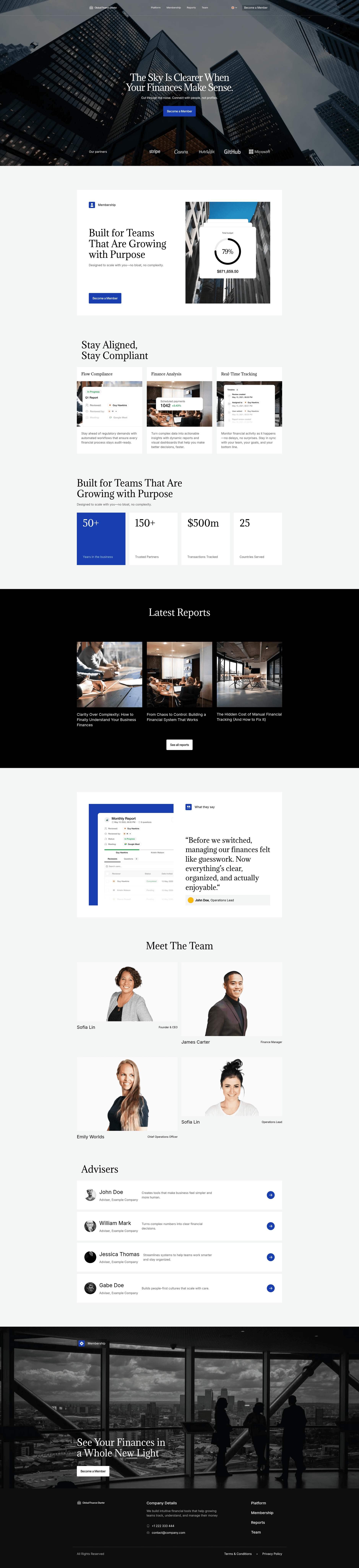
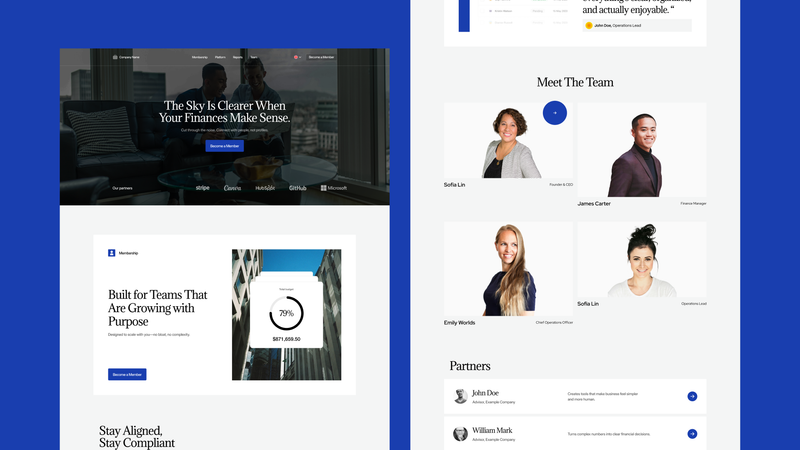
High-performance multilingual website starter for financial teams, built with Astro and Storyblok, including financial report pages and PostHog A/B testing.
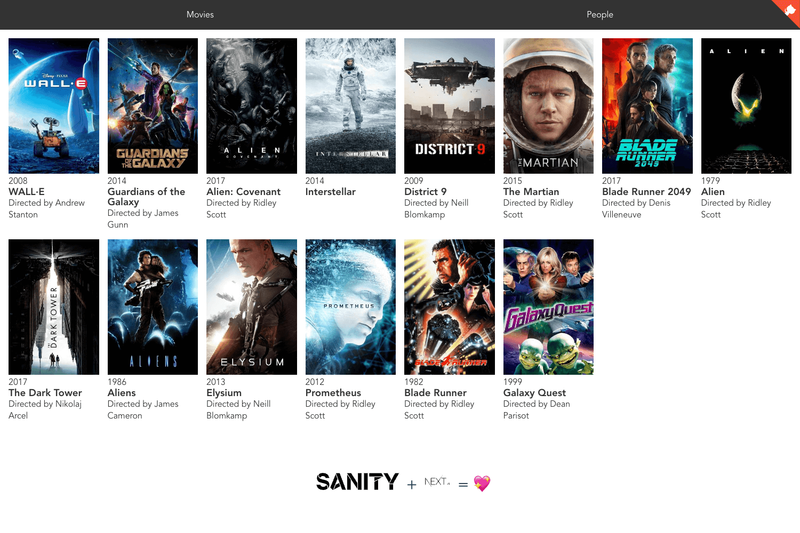
An example of a Sanity powered frontend using Next.js
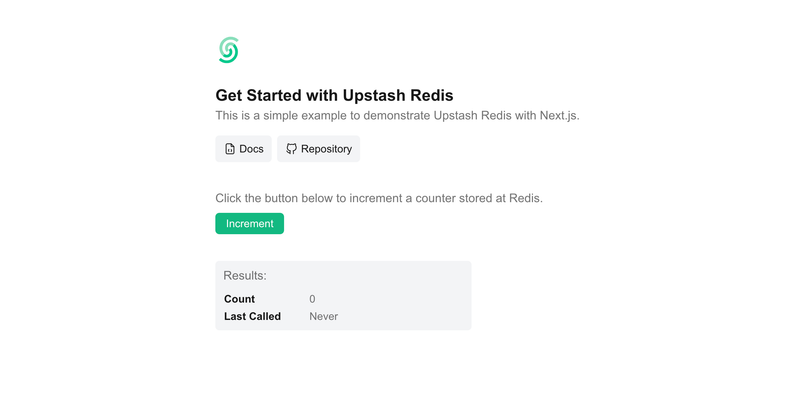
A Next.js example from Upstash showing how to use Redis as a state store for scalable, real-time app state.
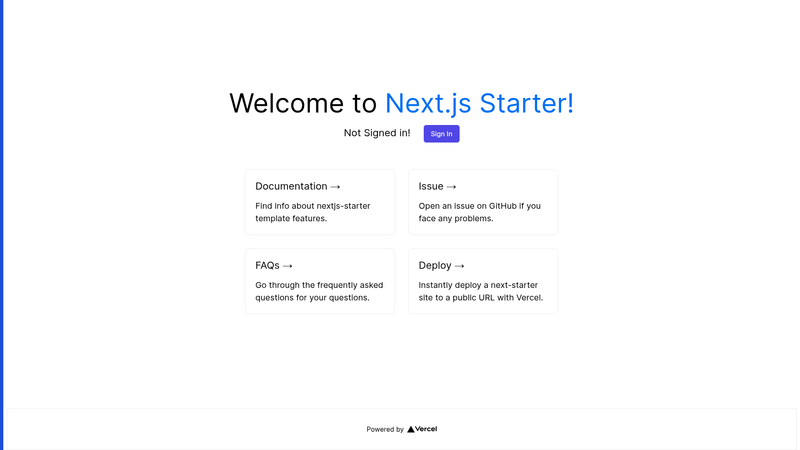
Next.js starter template with React 17, TypeScript, Tailwind CSS 2, NextAuth, and Fauna DB for passwordless and OAuth auth.
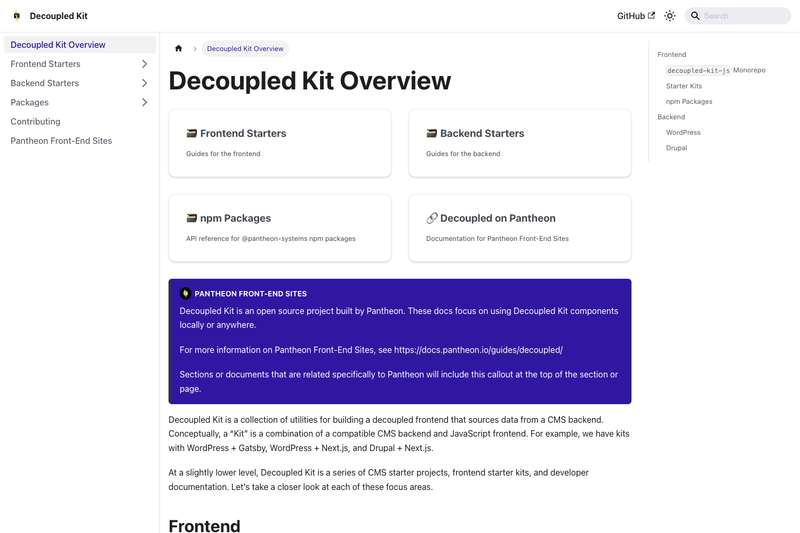
Pantheon's monorepo for JavaScript SDKs, starter examples, and published npm packages.
Financial Starter is a multilingual website starter template built on Astro v6 and Storyblok that gives financial teams a headless foundation for launching new brands, product pages, and campaign sites with static performance.
Financial Starter is a website starter template that combines the Astro v6 static site framework with Storyblok's headless CMS and Netlify's deployment platform, plus PostHog for analytics and A/B testing. It takes Storyblok content as input and generates a static, multilingual marketing website as output. The template ships with a modular content model that covers hero, features, stats, testimonials, and financial reports sections. The repository belongs to the bejamas GitHub organization, and the demo site is publicly accessible via Netlify.
The quick start is a six-step process: create a Storyblok account and a Space, clone the Storyblok Space, fork the repository, create a project on Netlify, set up environment variables (including STORYBLOK_TOKEN, STORYBLOK_PREVIEW, STORYBLOK_ENVIRONMENT, STORYBLOK_DEFAULT_LANG, and PUBLIC_POSTHOG_TOKEN), and deploy. Locally, you need Node.js and Bun; run bun install, copy the example environment file, and use bun dev to start the development server.