Newsletter
Join the Community
Subscribe to our newsletter for the latest news and updates

Admin page with element-ui + nuxtjs, supporting SSR and responsive mobile.
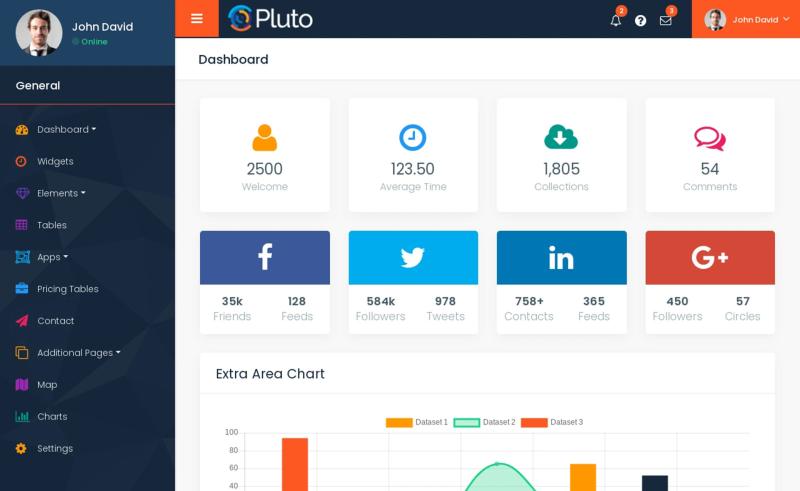
Free open-source Bootstrap 4 HTML5 admin dashboard template with 20 HTML pages, two dashboards, charts, and authentication pages.
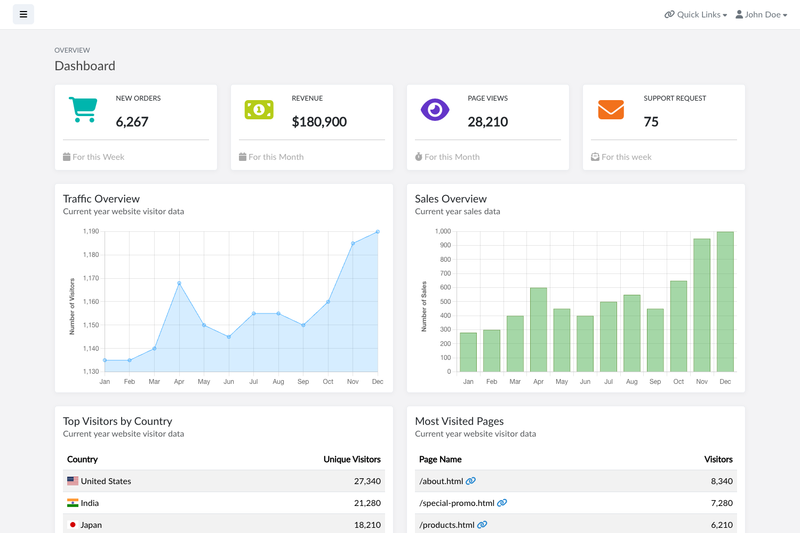
Free open-source Bootstrap 5 admin template for building responsive, mobile-first web dashboards with pre-built pages and tools.
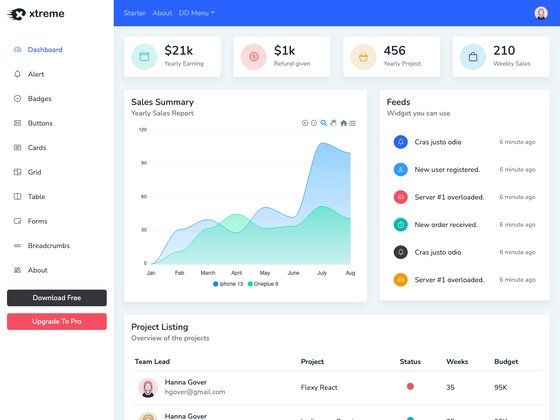
Free Next.js + Bootstrap admin dashboard template by Wrappixel with 8+ pages, 5+ UI components, and MIT license.
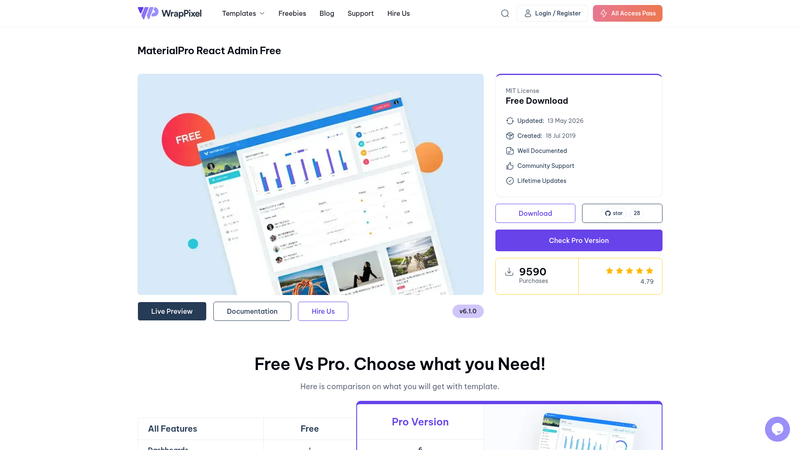
Free React admin dashboard template from WrapPixel with a starter dashboard, 7+ pages, and 4+ UI components built on Reactstrap.
nuxt-element-admin is an open-source admin dashboard starter built on Nuxt.js and Element UI, providing a ready-to-run foundation for building responsive admin panels with server-side rendering support. The project is maintained by GitHub user nguyenduclong-ict, has 13 stars in its repository, and includes a live demo hosted on GitHub Pages.
nuxt-element-admin is a Nuxt.js-based admin template that pairs the Vue framework with the Element UI component library. As a starter kit, it accepts environment configuration through a .env file (copied from .env.example), and it produces a running admin dashboard with a mock API server, responsive mobile layout, SSR support, and production build outputs. The project uses Yarn as its package manager and includes scripts for development, mocking, building, starting, and static site generation.
ssr as a supported feature.yarn mock, useful for front-end development without a backend.yarn dev starts the development server with hot reload at localhost:3000.yarn build creates a production bundle, and yarn start serves it.yarn generate outputs a static site, making deployment to GitHub Pages or any static host possible.yarn update:core refreshes the lib/ and store/ directories from an upstream template, helping keep the project's core files in sync.nuxt-element-admin is aimed at developers who need a pre-configured admin dashboard rather than building one from scratch. Vue and Nuxt.js developers can use it as a starting point for client projects, while frontend teams can leverage its SSR and responsive design for building back-office interfaces that work on desktops, tablets, and phones. It also suits rapid prototyping, since the included mock server lets developers see a working dashboard immediately without setting up an API.
yarn mock and yarn dev to get a functional dashboard with mock data in minutes.yarn generate produces a static version that can be hosted on GitHub Pages, as shown by the project's own demo.The README provides a linear workflow: clone the repository, remove the existing .git directory and re-initialize Git to start a fresh project history, then optionally run yarn update:core to pull the latest core files. After that, copy .env.example to .env, install dependencies with yarn, and use the provided scripts — yarn dev for hot-reload development, yarn mock for the mock server, yarn dev:all to run both, and yarn build/yarn start for production. For static output, yarn generate creates a deployable site.