Newsletter
Join the Community
Subscribe to our newsletter for the latest news and updates

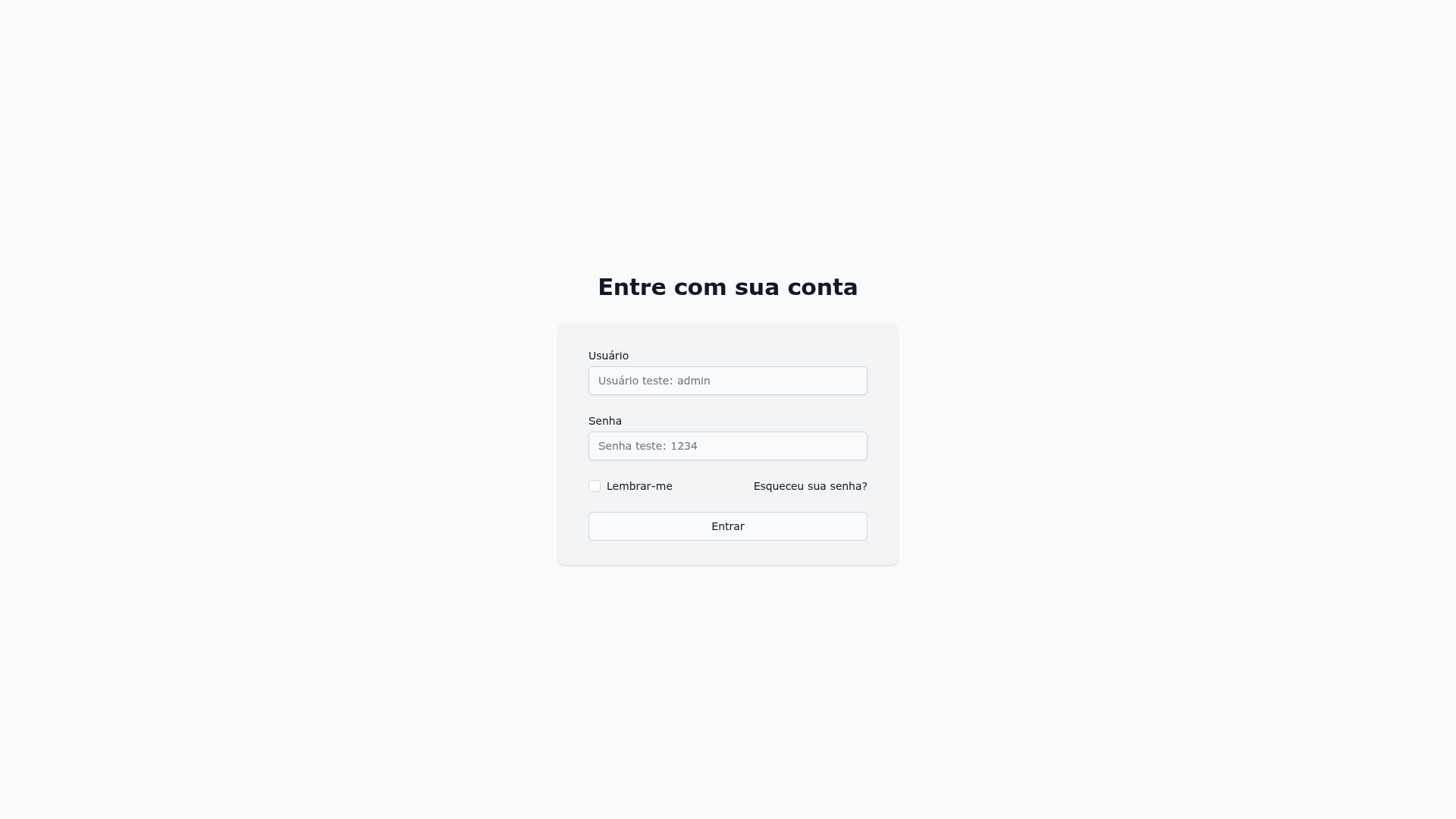
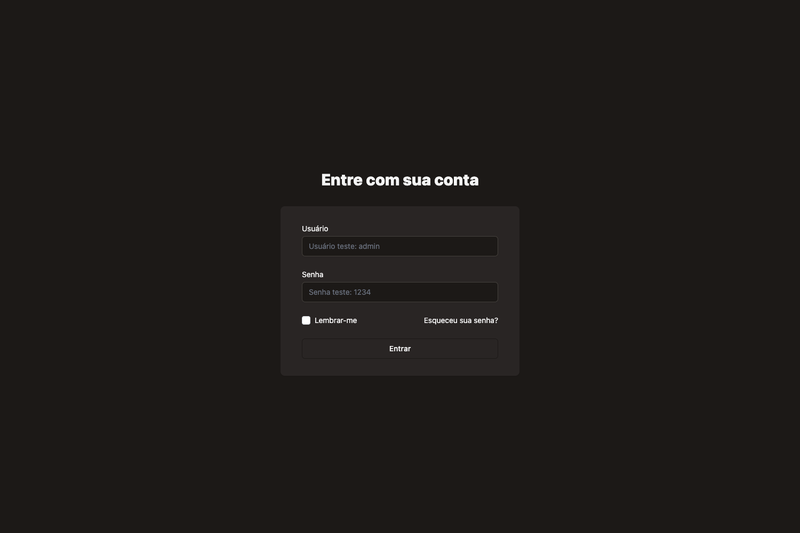
Admin dashboard page written in NextJS and TailwindCss, featuring dark mode and runtime theme colors.
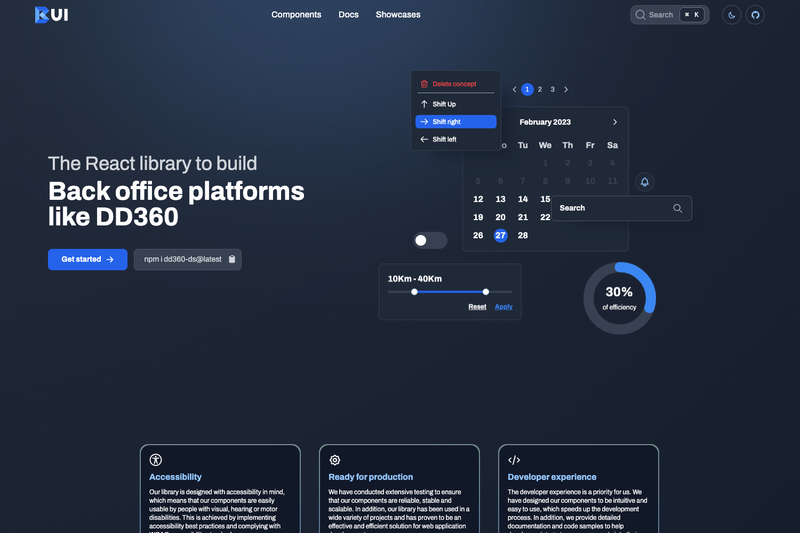
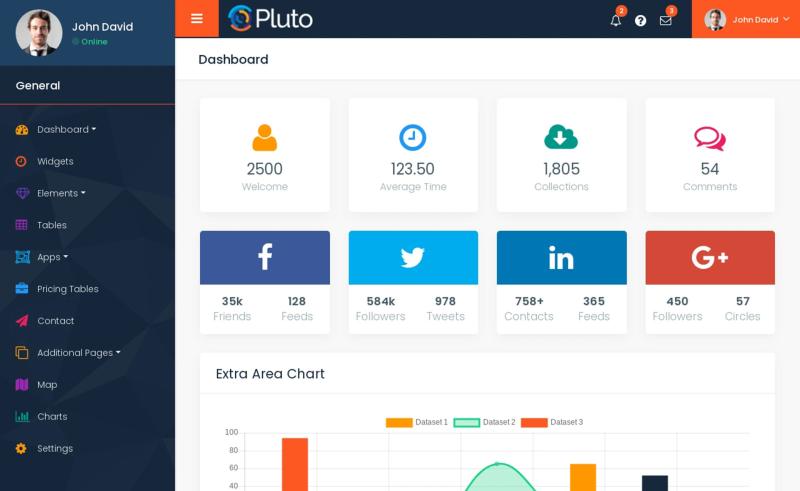
BUI: Tailwind based React component library to build back-office platforms
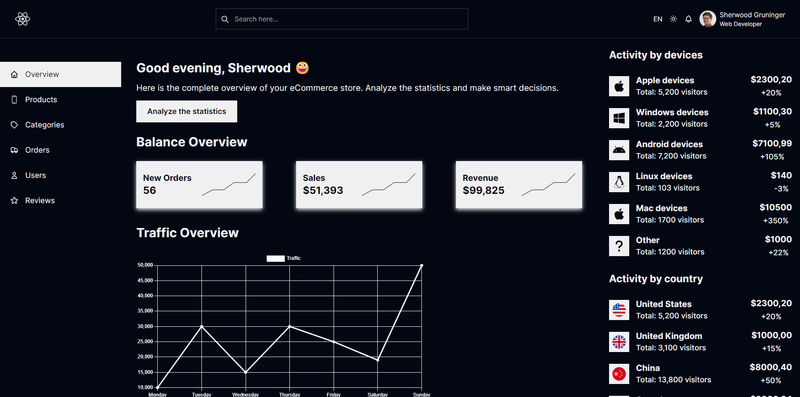
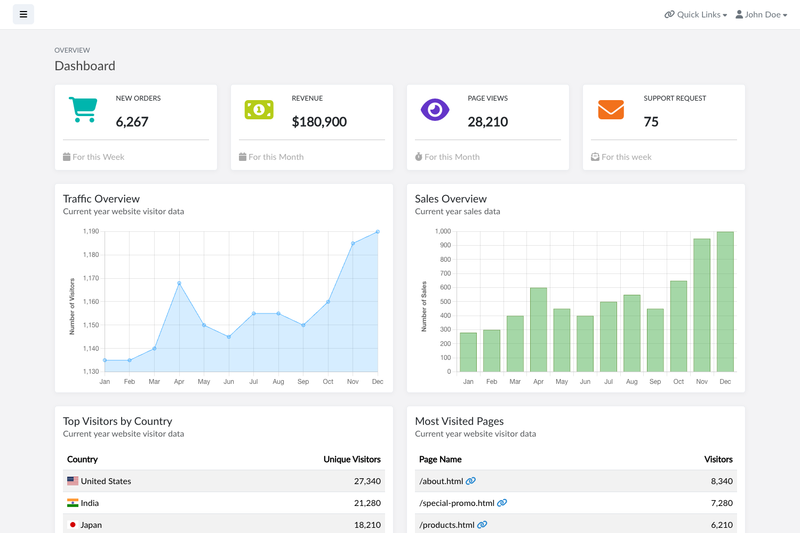
A free, open-source React.js admin dashboard template with Tailwind CSS and TypeScript, featuring dark mode, charts, and data tables.
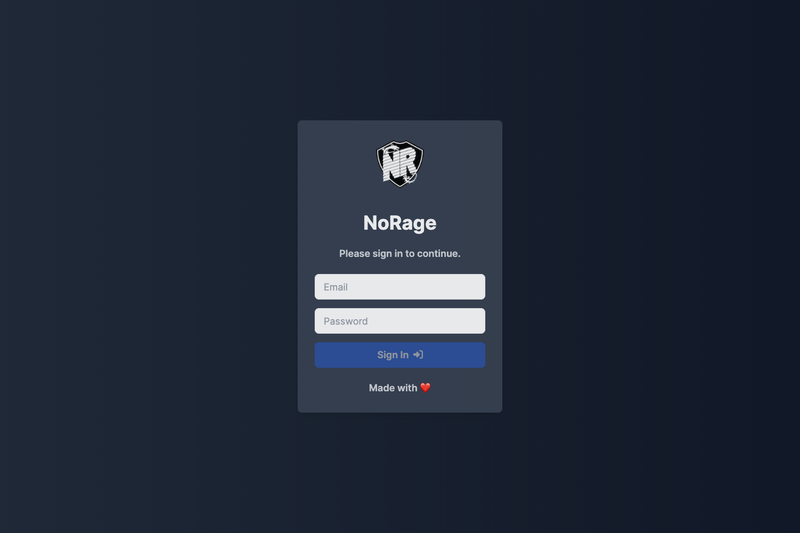
A dashboard built with Next.js to manage NoRage database
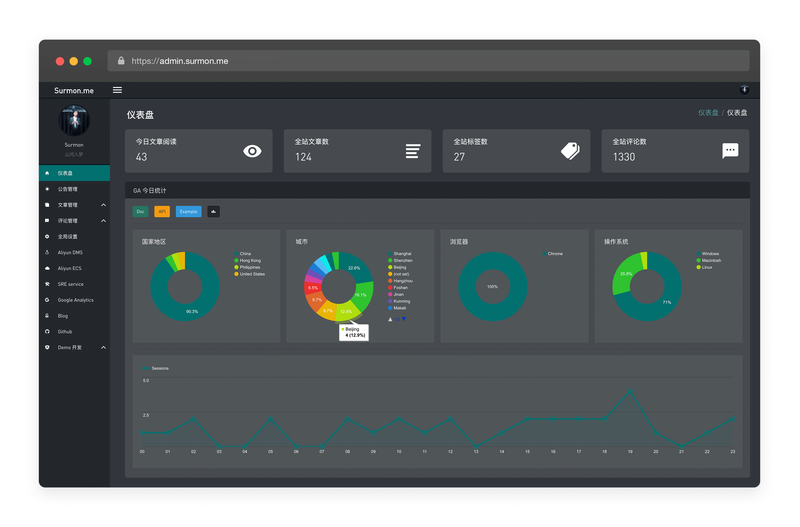
Admin panel for surmon.me built with Angular and Bootstrap 4; deprecated, use surmon.me.admin.
Next-Admin is a React and Next.js admin dashboard template that gives developers a Tailwind CSS-styled starting point for building back-office interfaces, with dark mode and runtime theme-color switching included.
Next-Admin is a dashboard page template written in React and Next.js, styled with Tailwind CSS. It is a front-end project: you clone it, install dependencies, and run the development server to see a ready-made admin layout in the browser. The template is published as a GitHub repository, with repository topics listing dashboard, nextjs, react, and tailwind-css. Its core function is to give developers a pre-built base for administration panels rather than starting from a blank page.
The template combines a modern React/Next.js stack with Tailwind's utility-first CSS and a few runtime theming capabilities.
npm run dev and open http://localhost:8080 to view the template immediately.The project follows the standard Next.js development workflow. After cloning the repository, install dependencies with npm install or yarn, then start the development server via npm run dev or yarn dev. The dashboard is served at http://localhost:8080. There is no additional configuration described on the page beyond these commands.
The project is available as a public GitHub repository, which suggests it is free to use, but the visible content does not state a license. Check the repository before using it commercially or in a product you distribute.
Because it is a Next.js app, you need Node.js and either npm or yarn on your machine. The page lists npm run dev and yarn dev as the two ways to launch the development server.
Yes, dark mode is listed as a feature of the template. It also includes runtime theme color changes, so you can alter the accent colors in the browser without restarting the development server.
The template starts at http://localhost:8080 on your local machine. Open that URL in your browser after running the dev command to view the dashboard.