Newsletter
Join the Community
Subscribe to our newsletter for the latest news and updates

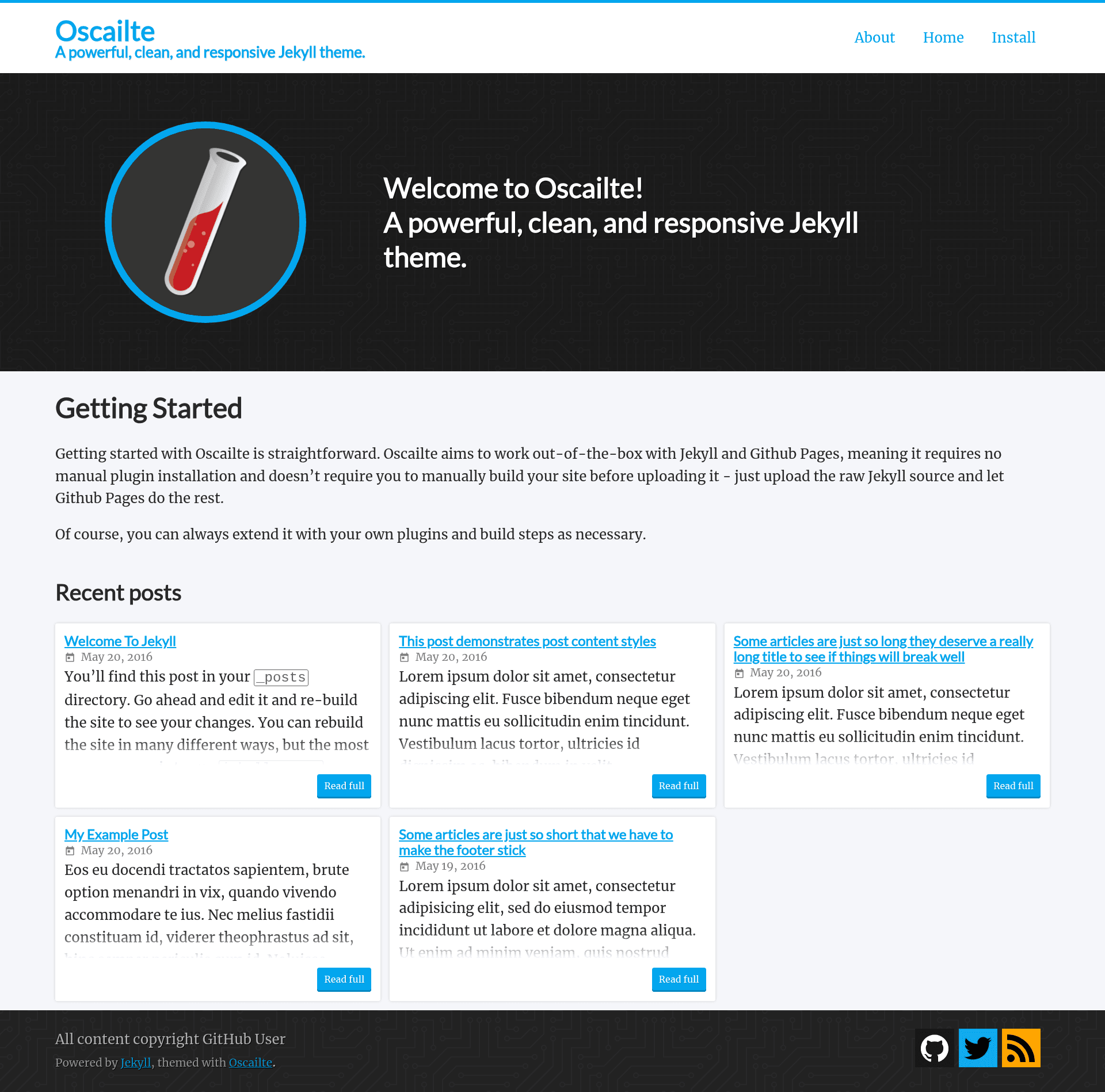
A light, clean, and responsive Jekyll blog theme with Disqus comments, Google Analytics, social icons, and CSS custom properties.
A clean Jekyll theme for building minimal static websites, hosted on GitHub with 48 stars.
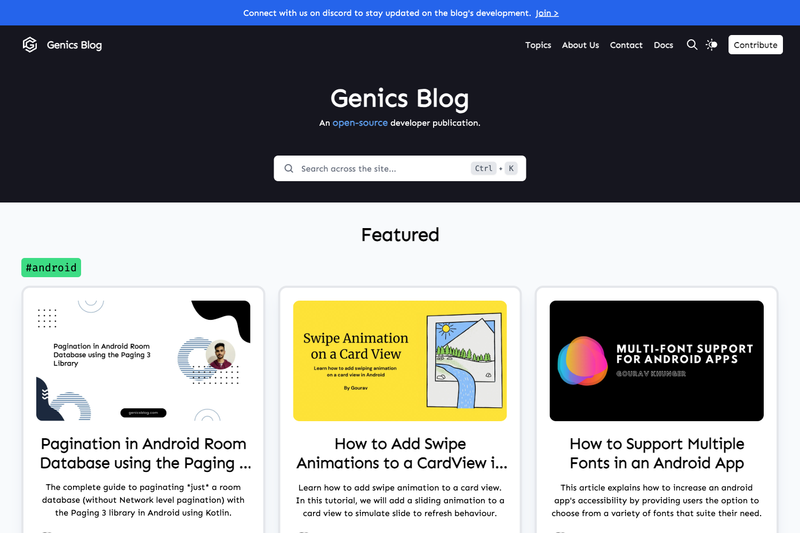
Static site for Genics Blog: An open source developer publication.
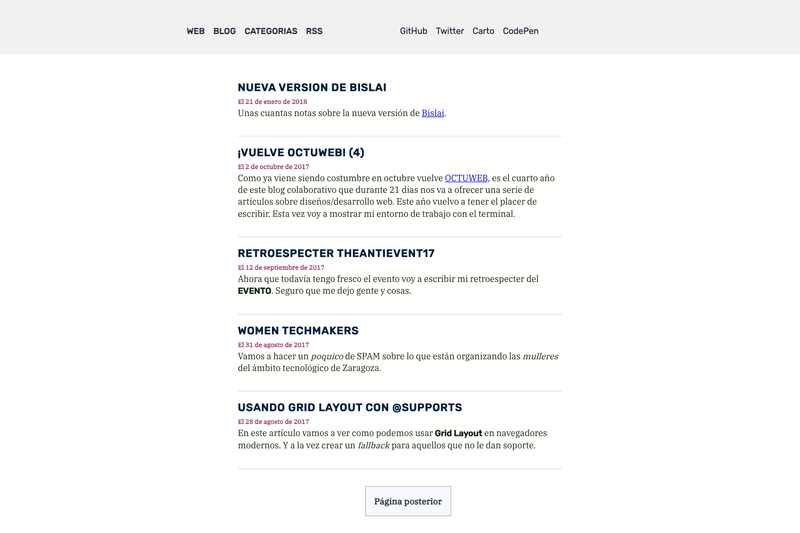
Boira is a fog-themed Jekyll theme built to run the author's personal blog at jorgeatgu.com/blog.

A starter repository showing how to build a blog with the Eleventy static site generator.
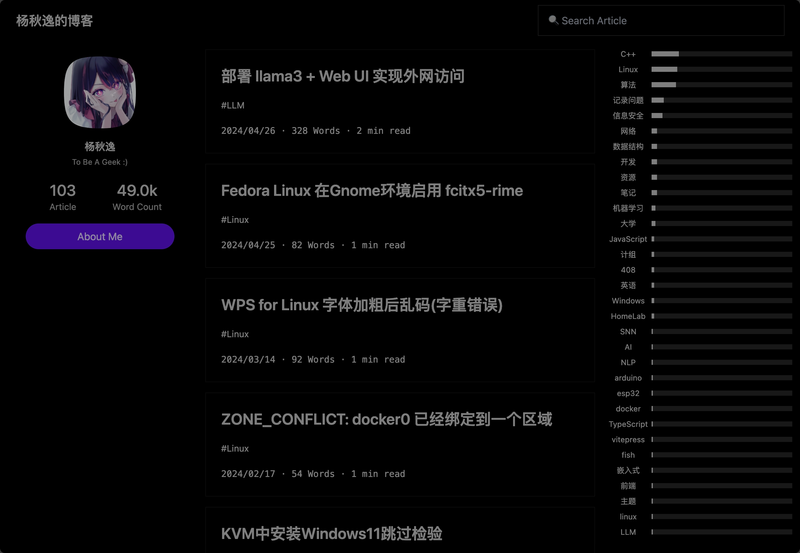
A fast, minimalist-style blog theme. Features good mobile responsiveness and performance.
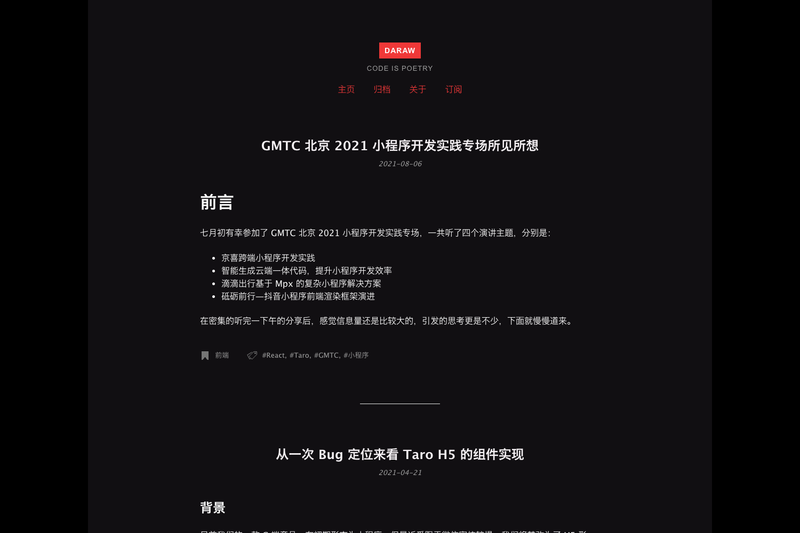
A minimalist open-source Hexo blog theme focused on writing.
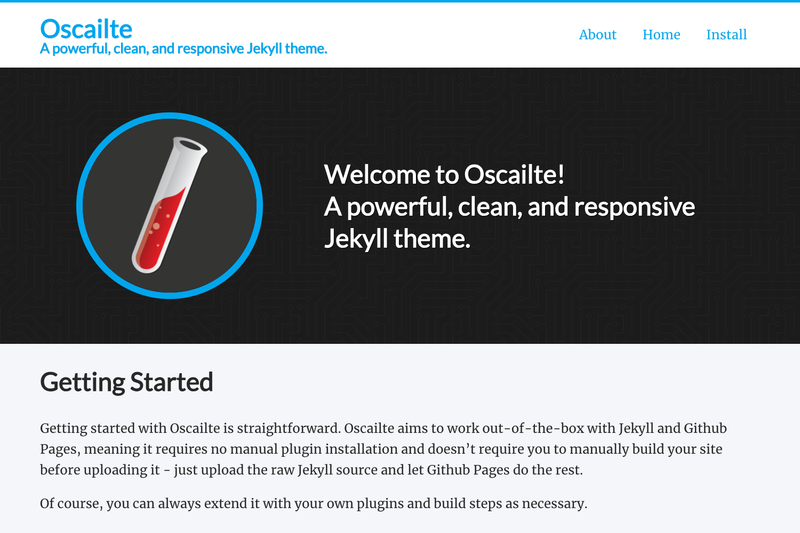
Oscailte is a light and clean Jekyll blog theme — named the Irish word for "open" — that ships as a Ruby gem and remote theme for GitHub Pages, with built-in configuration for Disqus comments, Google Analytics, and social network icons.
Oscailte is a Jekyll blog theme released under the MIT License. It reads a site's _config.yml and produces a responsive static blog with configurable social links, optional comment threads, and analytics tracking. The theme is maintained on GitHub at coogie/oscailte, published as the oscailte Ruby gem, and has 227 stars on its repository.
remote_theme: coogie/oscailte to _config.yml, with no gem installation required.gem "oscailte" to the Gemfile, set theme: oscailte in _config.yml, and run bundle.oscailte.social config key.disqus.shortname; comments appear only in production builds (JEKYLL_ENV=production) and can be disabled per post with comments: false in front matter.oscailte.google_analytics; it loads only in production and respects the visitor's Do Not Track request./_sass/_oscailte.scss, so you can restyle the site without editing theme files.show_excerpts: true to display post excerpts on the home page instead of full content.oscailte.strings config key._config.yml.The quickest path is to add remote_theme: coogie/oscailte to _config.yml on a Jekyll site; GitHub Pages then fetches the theme automatically. For local development, you can instead add gem "oscailte" to the Gemfile, declare theme: oscailte, and run bundle to install it. All configuration lives under the oscailte key, and features like Disqus and Google Analytics only activate in production builds.
Oscailte is free to use under the MIT License, so there are no paid tiers or subscription fees.
Yes, Oscailte is open source and released under the MIT License, so you can use and modify it freely, including for commercial projects.
Yes. Oscailte can be used as a remote theme by adding remote_theme: coogie/oscailte to your _config.yml, and remote themes are enabled by default on GitHub Pages.
Oscailte uses CSS Custom Properties for its look and feel. The full list of properties is defined in /_sass/_oscailte.scss, so you can override them in your site's stylesheet without forking the theme.
Set disqus.shortname in _config.yml and ensure url is set, since Disqus requires it. Comments appear only in production builds (JEKYLL_ENV=production), and you can turn them off for a single post by adding comments: false to that post's front matter.
Yes, when Google Analytics is enabled, Oscailte informs Google Analytics of the user's Do Not Track request, and the analytics script only loads in production.