Newsletter
Join the Community
Subscribe to our newsletter for the latest news and updates

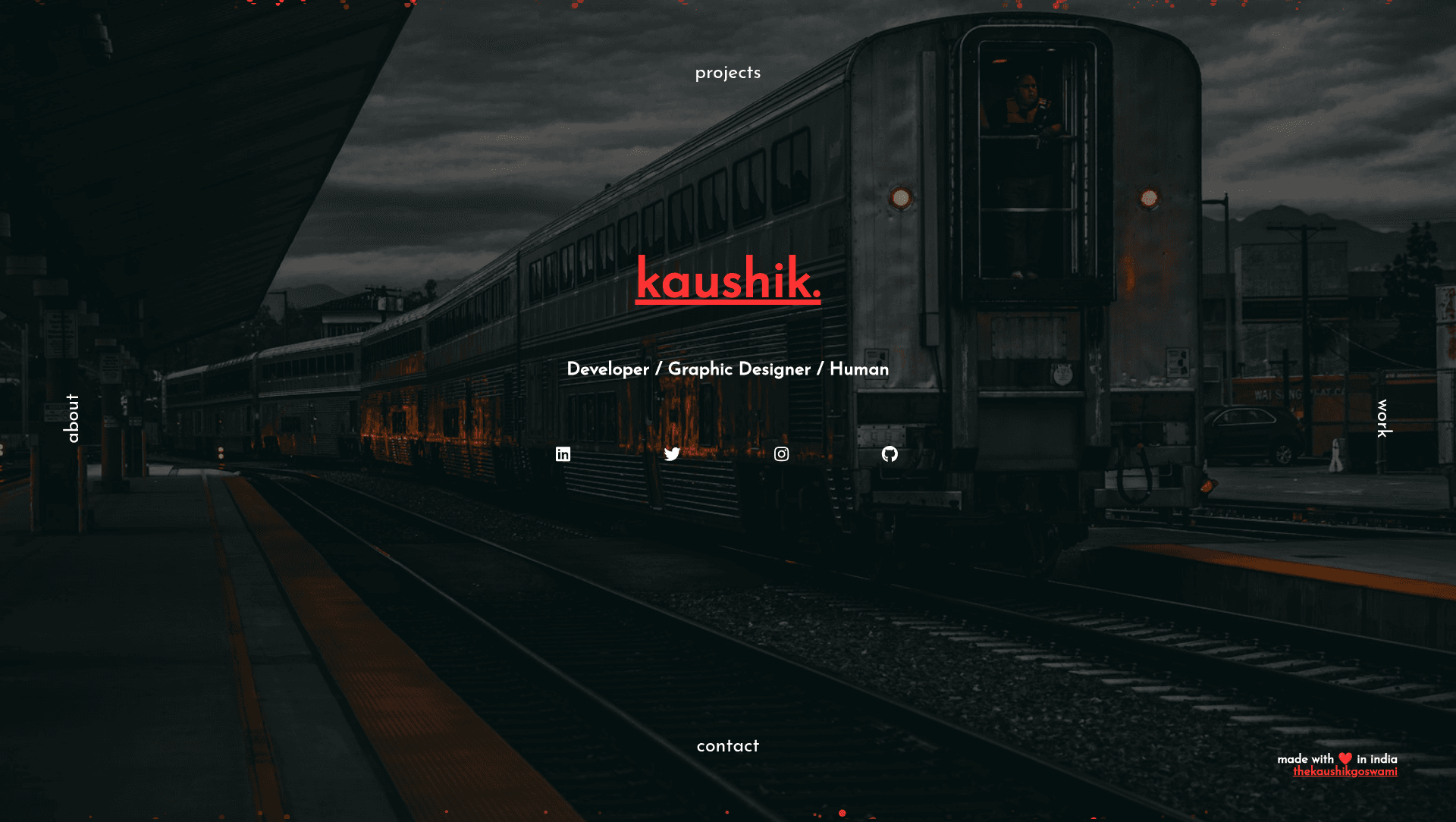
Open-source, minimal, ambient portfolio template for developers, built with HTML5, CSS3 and jQuery for GitHub Pages.

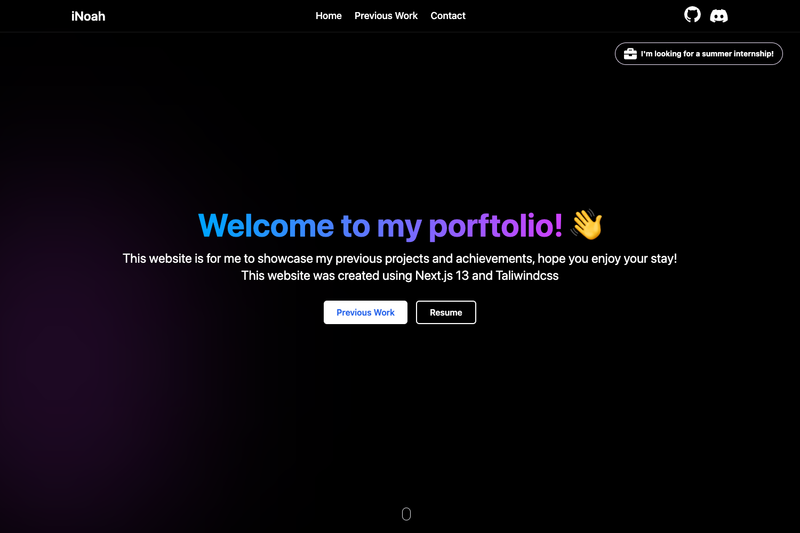
Next.js resume template that renders a static HTML resume from editable TypeScript payload data.

Open-source Gatsby starter for a Contentful-powered portfolio site with one-click Netlify deploy.
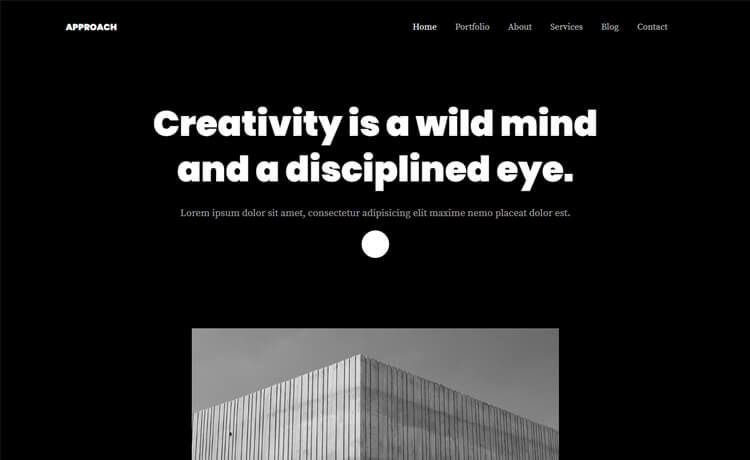
Free Bootstrap 4 HTML5 multi-page portfolio website template with video modal, portfolio grid, and blog sections.
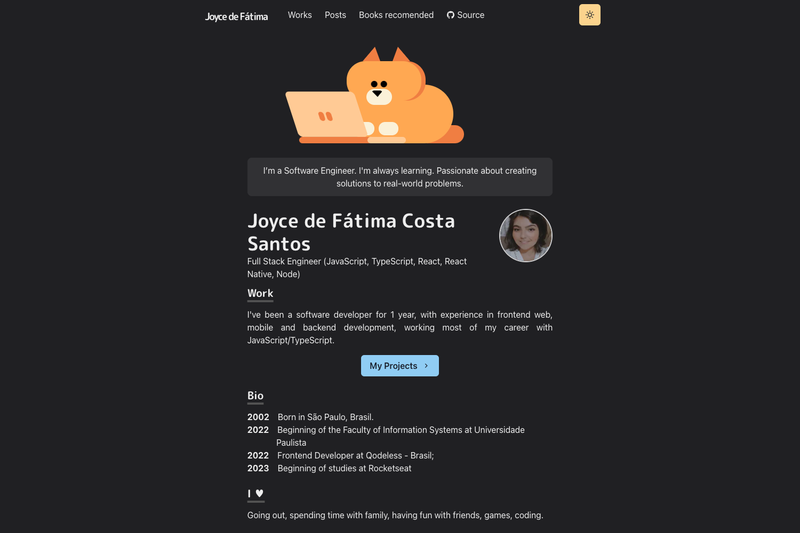
Free MIT-licensed personal homepage and portfolio template built with Next.js, Chakra UI, Three.js, and Framer Motion.
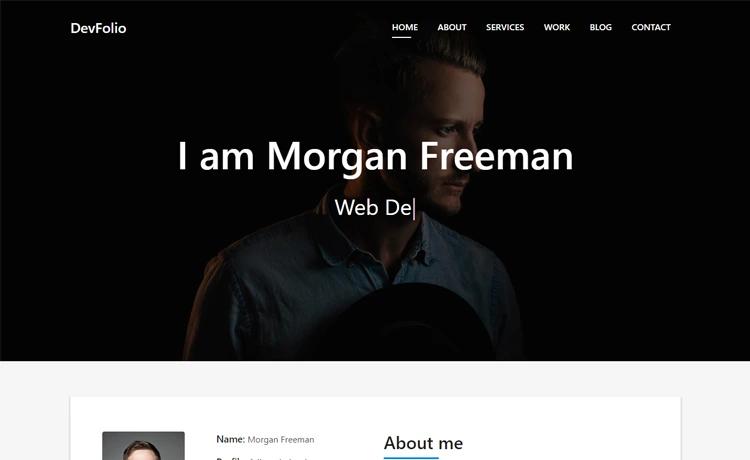
Free multipage Bootstrap 5 HTML5 portfolio template with hero header, type effect, skill bars, parallax, and lightbox gallery.
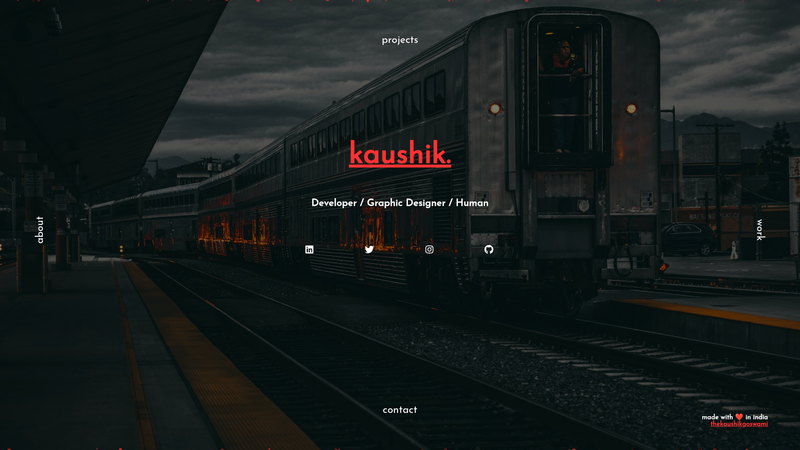
Personal Portfolio is an open-source, one-page portfolio website template built with HTML5, CSS3, and jQuery that lets software developers publish a personal site on GitHub Pages by editing a single index.html file. Created by GitHub user TheKaushikGoswami, the template is a minimal and ambient starting point that ships with a particle-effect background, a custom 404 page, and seven content sections.
Personal Portfolio is a front-end website template written in valid HTML5 and CSS3, using jQuery, Animate.css, Google Fonts, and particles.js as its main libraries. It takes a developer's profile content — name, skills, work history, resume, contact details, and social links — entered into one index.html file, and produces a responsive one-page portfolio ready to host on GitHub Pages. The template is based on the fimbo portfolio by imfunniee, and its 404 page is derived from the tsParticles 404 templates.
The README documents a four-step workflow: clone the repository, modify the content of index.html to match your requirements, add or remove images from the assets directory, and deploy using GitHub Pages. For deployment, you create a new GitHub repository named exactly your-github-username.github.io, then push the generated code to the master branch of that repository.
Yes, the template is open-source and available on GitHub. You can clone the repository, edit index.html, and deploy your own version of the site without paying a license fee, and the README asks only that you star the repository if you like it.
Create a GitHub repository with the exact name your-github-username.github.io, push the code to the master branch, and GitHub Pages will serve the site at that username-based URL. The README recommends this as the easiest deployment method.
The template runs on static HTML5 and CSS3, with jQuery for interactions, Animate.css for animations, Google Fonts for typography, and particles.js for the animated background. No build step or server-side framework is required.
Yes, it ships with a custom 404 page built from the tsParticles 404 templates, so visitors who hit a missing URL on your deployed site see a styled, on-brand page rather than the default GitHub Pages error.