Newsletter
Join the Community
Subscribe to our newsletter for the latest news and updates

A free, open-source Jekyll theme for photobloggers and artists, built for GitHub Pages with animated photo galleries.
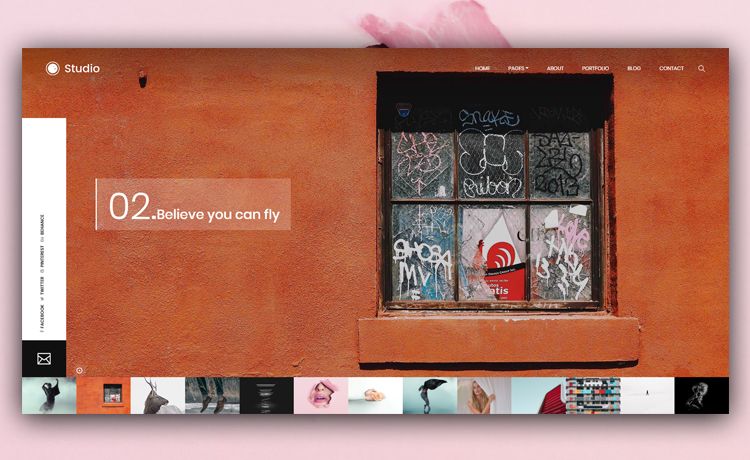
Free multipage Bootstrap 4 photography template from Colorlib with carousel header, lightbox portfolio, blog, and contact page.
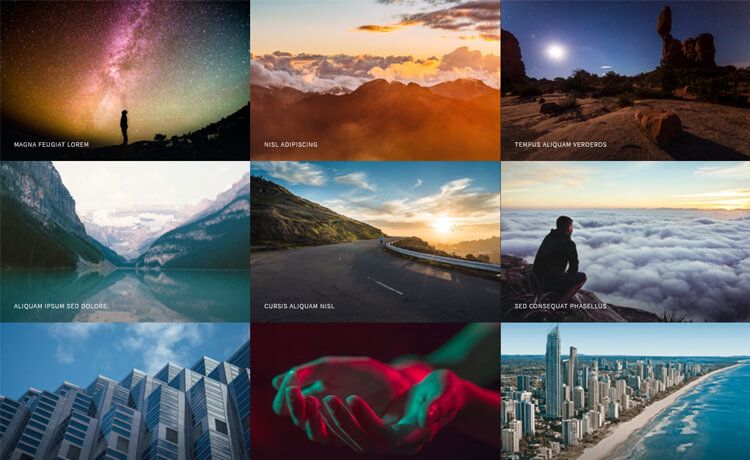
Free one-page HTML5 photography template with lightbox gallery, full responsiveness, and a custom panel system, ideal for photographer portfolios.
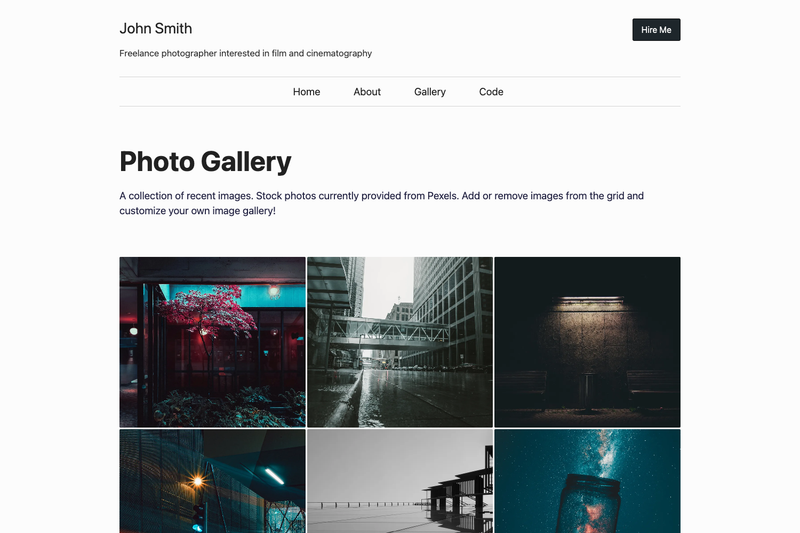
Starter site for creating a responsive image gallery using the Eleventy static site generator
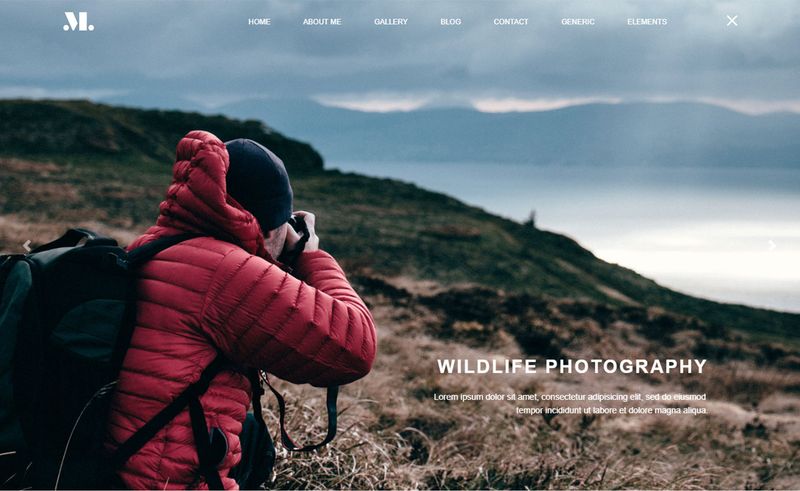
Free HTML5 photographer portfolio template with Bootstrap 4, full-screen slider, lightbox gallery, blog, and working PHP contact form.
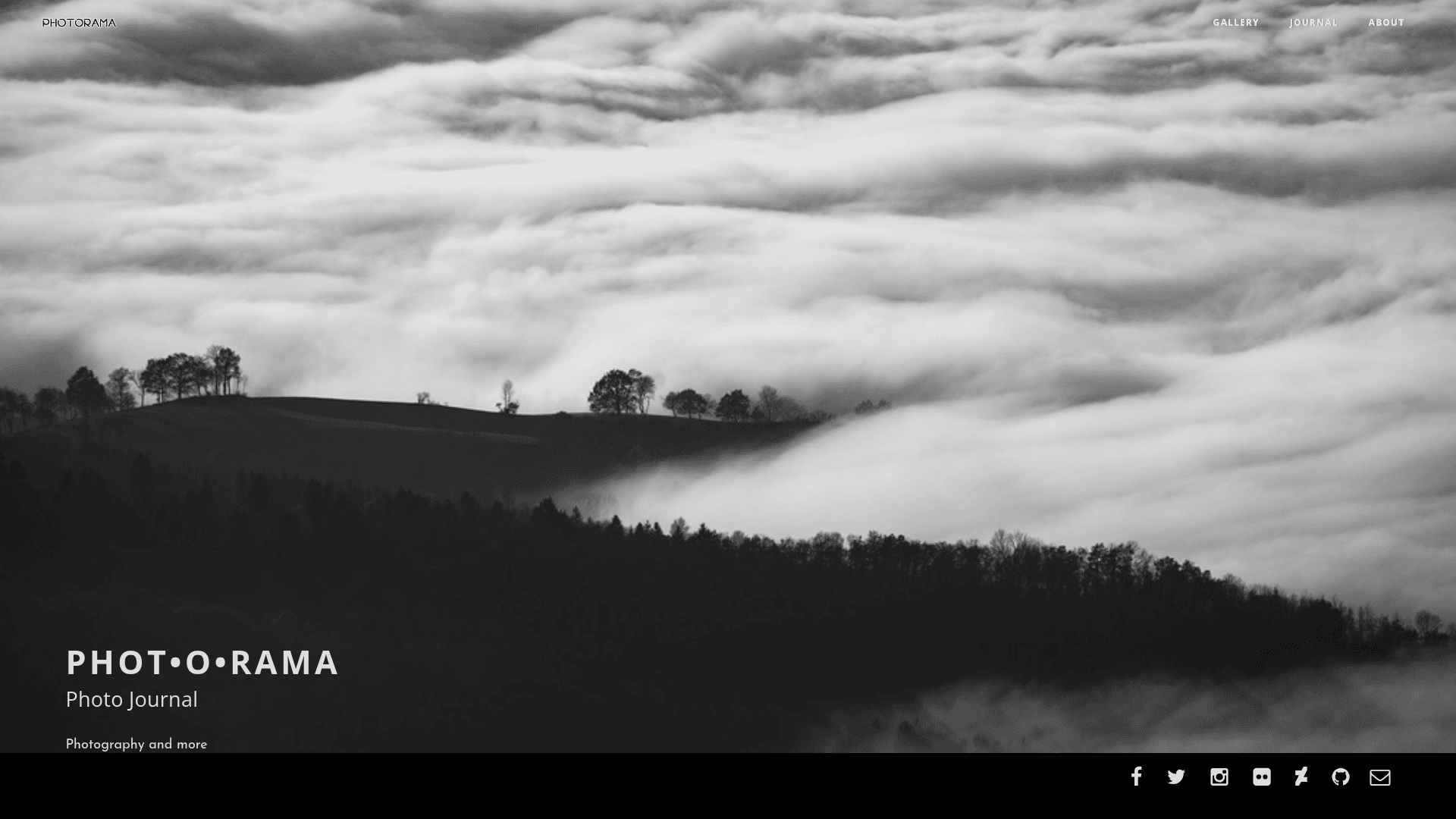
PHOTORAMA is a free, open-source Jekyll theme for photobloggers and artists, built for GitHub Pages project sites, that turns Markdown posts and photos into an animated photo blog with galleries, a journal, newsletters, and comment support.
PHOTORAMA is a Jekyll theme designed specifically for GitHub Pages project pages, created by sunbliss and based on the Clean Blog Jekyll template. It takes Markdown-based posts and images as input and produces a static website featuring an animated three-photo homepage, a journal (blog), tag and category pages, an image gallery with search, and a newsletter page. The theme is distributed under the MIT License and enforces HTTPS from version 2.0 onward. It is not a portfolio-only theme; it pairs the visual gallery with a full journal so photographers can write stories around their images.
The quick start involves forking the repository, renaming it, creating a gh-pages branch, and setting it as the default branch. GitHub then builds the Jekyll site automatically and publishes it at yourusername.github.io/repositoryname. Before publishing, you need to update the URL and BASEURL in _config.yml, as well as the internal navigation links for GALLERY, JOURNAL, and ABOUT.
PHOTORAMA is free and open source under the MIT License, so there are no licensing or usage fees. The only cost is a GitHub account and optionally a custom domain name.
Fork the repository, go to the repository settings, rename it to your project, create a gh-pages branch, and set that branch as the default. Then update URL to https://yourusername.github.io and BASEURL to /repositoryname in _config.yml. GitHub will publish the site automatically.
Yes. Create a CNAME file in the repository root containing your domain (for example, www.yourdomain.com) and add a CNAME record at your registrar pointing to yourusername.github.io/repositoryname. HTTPS is enforced, so the site will be served securely.
It integrates with TinyLetter rather than having its own backend. You replace 'yourproject' in newsletter.html with your TinyLetter username. A dedicated newsletter template is provided; copy its index.html to a new file such as 2016-March-newsletter.html to publish a standalone newsletter page.
In the front matter of a post, set comments to true. You also need a registered Disqus account and a forum shortname. Find the line s.src = '//yourproject.disqus.com/embed.js' in disqus_comments.html and replace 'yourproject' with your shortname.
Yes. When you add a tag or category in a post's front matter, you must create a corresponding markdown file in /journal/tag/ or /journal/category/ so that the tag or category page renders. The theme will not automatically generate those pages.