The Plasmic+Supabase Demo is a Next.js template that pairs the Plasmic visual frontend builder with a Supabase backend to deliver a working Pokedex example.
What is the Plasmic+Supabase Demo?
The Plasmic+Supabase Demo is a full-stack starter built with Next.js, Plasmic, and Supabase. It takes Supabase credentials supplied in a local environment file and produces a Pokedex-style web application where the frontend is managed visually through Plasmic Studio. The project is bootstrapped with create-plasmic-app and serves as a reference for integrating Plasmic with Supabase for data-fetching and authentication.
Key Features
- Next.js platform — The template runs on Next.js, providing a React-based framework and a standard development workflow.
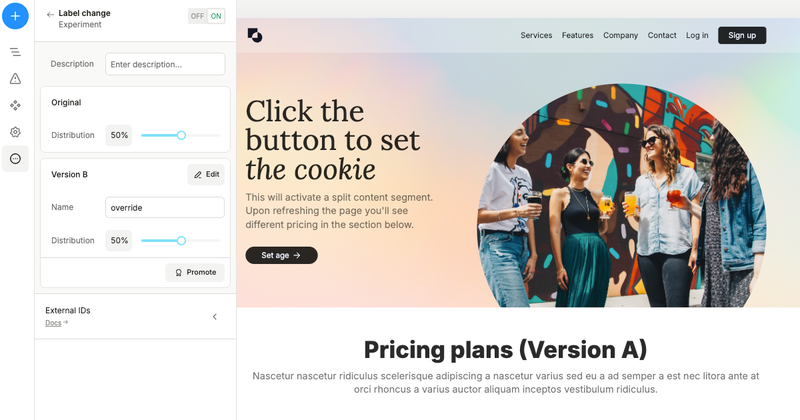
- Plasmic visual frontend — Pages are built and edited in Plasmic Studio; the demo links to a live project, and you can clone it and update the project ID and token in the environment file.
- Supabase integration — Supabase manages backend data-fetching and authentication; the setup instructions fetch the schema and types from your Supabase project.
- Pokedex example — The demo shows a Pokedex-style listing, giving you a concrete data-driven page to study and customize.
- Environment-driven configuration — Copy
.env.exampleto.envand populate Supabase credentials; the same file holds the Plasmic project ID and token. - Official tutorial linkage — The README points to a Supabase documentation tutorial that explains how to set up a compatible Supabase project.
Who is it for?
Developers who want to learn how Plasmic and Supabase work together, teams that want to let non-developers publish content to a Next.js site, and anyone building a data-driven frontend with a visual builder.
What can you do with it?
- Learn the integration: walk through the Supabase tutorial to see how Plasmic pages read data and handle authentication from Supabase.
- Customize the frontend: open the Plasmic project in Studio, make visual edits, and publish changes without writing code.
- Reuse the stack: use the template as a base for a new app that needs a managed frontend and a hosted backend with authentication.
How does it work?
Copy .env.example to .env and fill in your Supabase credentials. Run yarn to install dependencies and fetch schema and types, then yarn dev to start the development server. The Plasmic-built frontend is accessible through a Studio link; to edit it, clone the Plasmic project and set the new project ID and token in .env.
FAQ
What does this template demonstrate?
It demonstrates a Pokedex application that uses Plasmic for the frontend, Supabase for the backend, and Next.js as the platform.
How do I set up the template?
Copy the example environment file, add your Supabase credentials, install dependencies with yarn, then run yarn dev. The README links to a Supabase tutorial that walks through creating a compatible Supabase project.
Can I edit the frontend without code?
Yes. The frontend lives in Plasmic Studio. You can clone the linked Plasmic project and edit pages visually; the project ID and token must then be updated in .env.
Where can I learn more about Plasmic?
The README links to the Plasmic website, documentation, community forum, and GitHub repository, plus a Supabase integration tutorial.