Newsletter
Join the Community
Subscribe to our newsletter for the latest news and updates

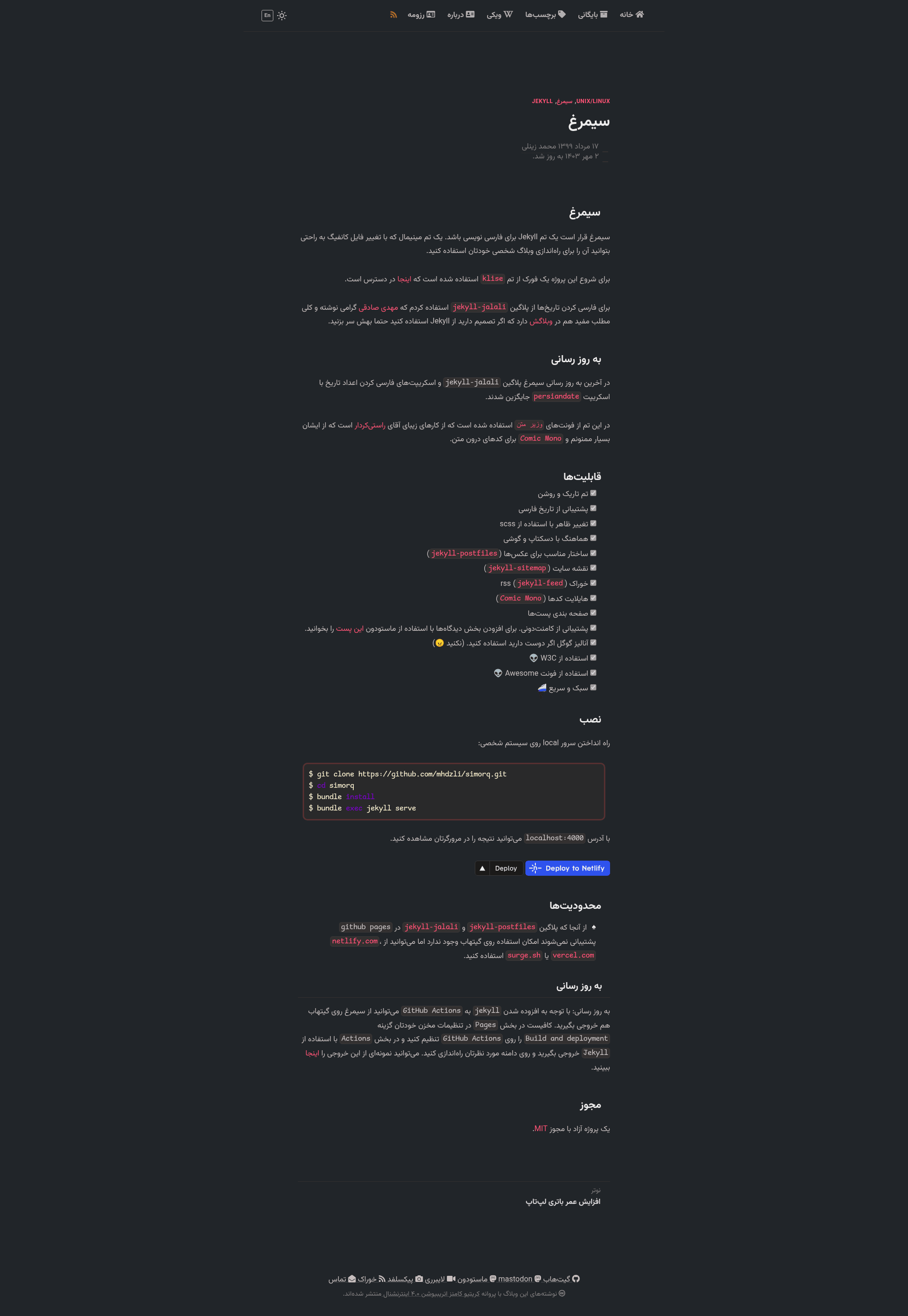
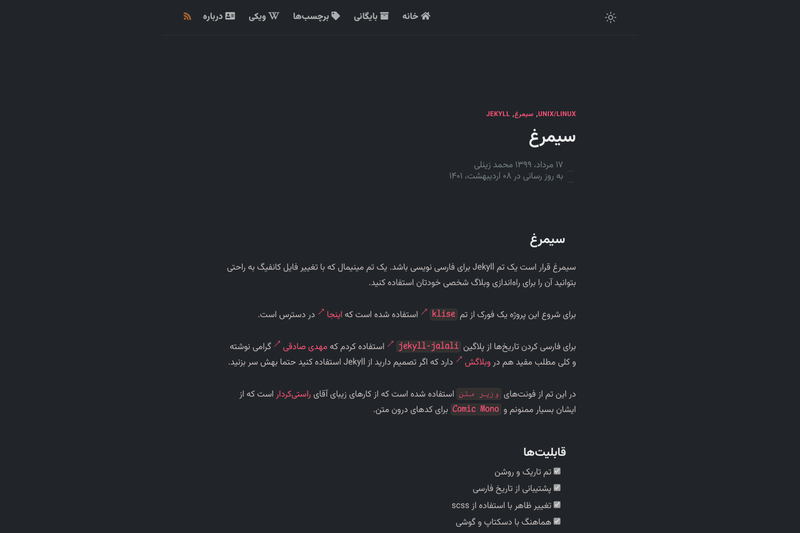
A Jekyll theme for Persian blogs with Jalali (Khorshidi) date support.
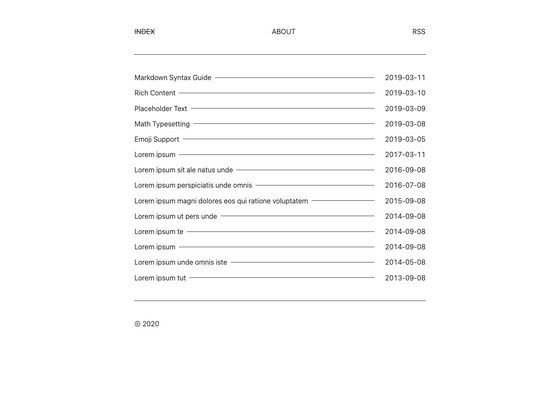
Minimalistic and simple Hugo blogging theme with inline CSS, tags, and SEO optimization.
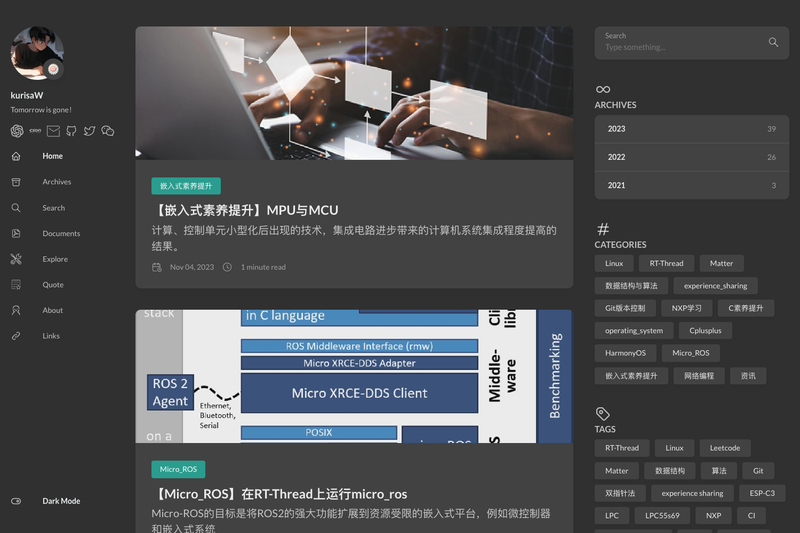
A quick-start Hugo blog template using the Stack theme, with GitHub Actions auto-deploy and Codespaces support.
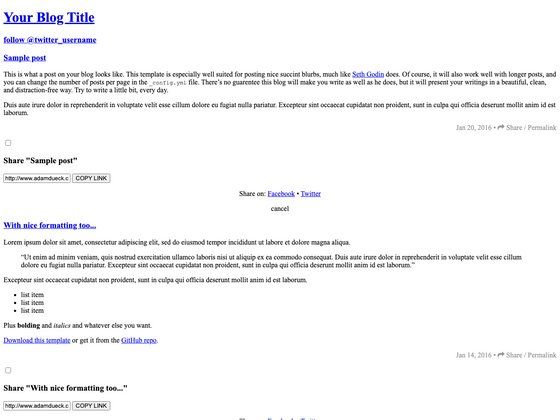
A Jekyll blog template for simple, readable snippets, deployable to GitHub Pages.
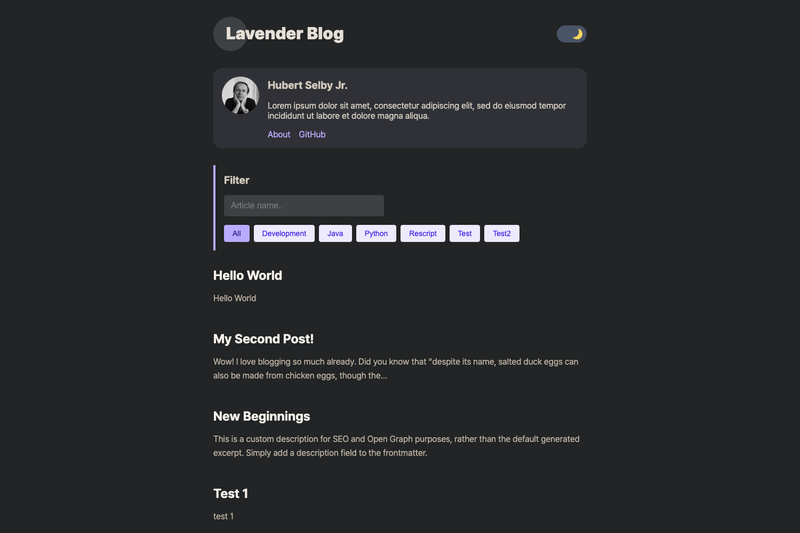
A minimal, readability-focused blog template built on Gatsby with TypeScript and Stitches theming.
Simorq (سیمرغ) is a minimal Jekyll theme for Persian blogs that adds Jalali (Khorshidi) calendar date support to a forked Klisé base. It is an open-source, MIT-licensed theme maintained by Mohammad Zeinali (mhdzli) and designed for writers who want a fast, responsive, right-to-left blog without building date logic themselves.
Simorq is a Jekyll theme for Persian-language blogs, forked from the Klisé theme and available on GitHub at mhdzli/simorq. It takes standard Jekyll posts and configuration as input and produces a static, responsive blog with dark/light mode, Jalali dates, RSS, sitemap, and pagination. The theme requires Jekyll and can be built locally with Bundler, via Docker, or through CI services like GitHub Actions, Netlify, Vercel, or Surge.
The theme is a standard Jekyll setup. After cloning the repository, you run bundle install and then bundle exec jekyll serve to preview the site at localhost:4000. For Docker, build the image once with the build script and then launch it with the run script; the README also shows deployment options via the Netlify and Vercel web-based import buttons.
Yes, Simorq is released under the MIT license, and the source code is available on GitHub for anyone to use, modify, and redistribute.
The jekyll-postfiles plugin is not natively supported by GitHub Pages, but the README explains that you can build the site with GitHub Actions and publish the output to Pages. A live example is at theme.zmim.ir.
Yes, dates are displayed in the Jalali (Khorshidi) calendar using the bundled persiandate.js script, so no plugin installation is needed.
Edit the SCSS files to change colors, fonts, and layout, and set your site metadata, Google Analytics ID, and social links in _config.yml.
The author's personal blog at zmim.ir runs a customized version of Simorq, and a clean GitHub Actions build demo is available at theme.zmim.ir.