Newsletter
Join the Community
Subscribe to our newsletter for the latest news and updates

A quick-start Hugo blog template using the Stack theme, with GitHub Actions auto-deploy and Codespaces support.
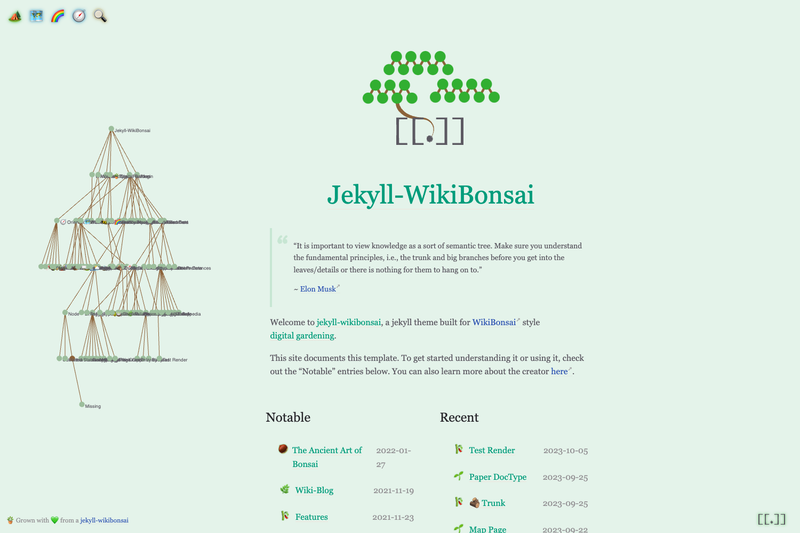
A Jekyll theme for semantically inclined digital gardeners, with WikiBonsai wikirefs, semantic trees, and graphs.
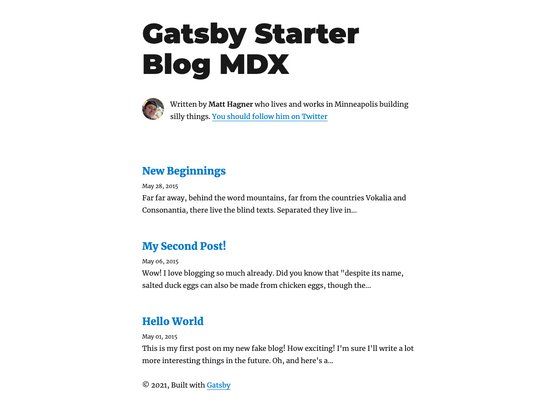
A Gatsby blog starter with MDX support that lets you write JSX inside Markdown to build static blogs with React components.
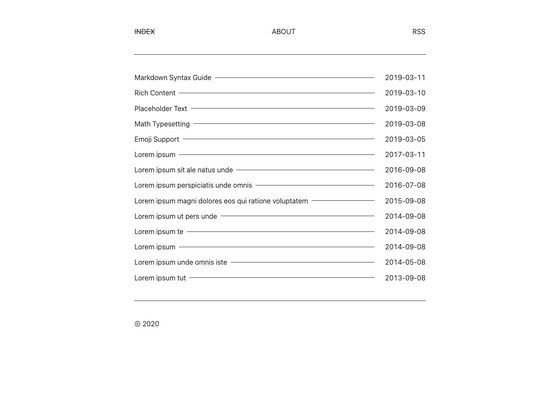
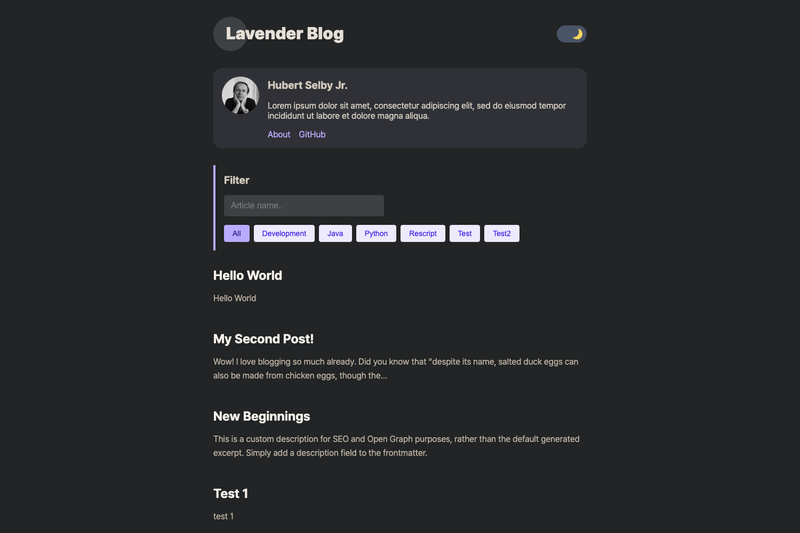
Minimalistic and simple Hugo blogging theme with inline CSS, tags, and SEO optimization.
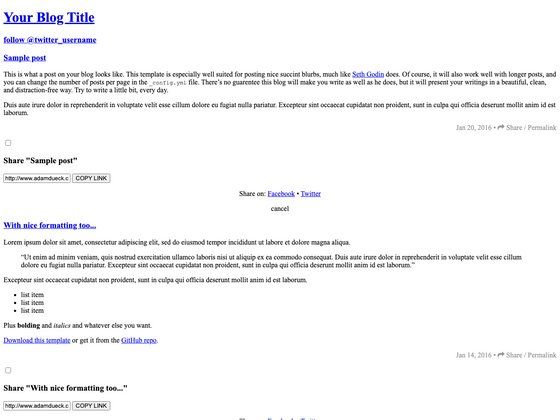
A Jekyll blog template for simple, readable snippets, deployable to GitHub Pages.

A Jekyll theme for Persian blogs with Jalali (Khorshidi) date support.
The Hugo Theme Stack Starter Template is a quick-start boilerplate for building a Hugo-powered blog or personal site using the Stack theme, complete with GitHub Actions deployment and Codespaces support.
The Hugo Theme Stack Starter Template is a GitHub repository template that gives you a pre-configured Hugo site using the Stack theme (hugo-theme-stack) v3. It loads the theme via Hugo modules and ships with a basic structure, configuration files, and automation. The template is designed to get a blog online with minimal manual setup, publishing to GitHub Pages automatically on every push.
hugo server.config folder as TOML files; you control site metadata, menus, and the baseurl property in config/_default/config.toml.hugo --gc --minify, plus a note to set HUGO_VERSION to the latest extended version.hugo server to preview, edit the config, and push to deploy to GitHub Pages.hugo mod get -u github.com/CaiJimmy/hugo-theme-stack/v3 and hugo mod tidy.config folder, with the full Stack theme structure available for deeper changes.The workflow is: click "Use this template" on GitHub to create a copy of the repository, then open that copy in GitHub Codespaces (or clone it locally). The Codespace comes with Hugo extended preinstalled, so you run hugo server to preview. When you commit and push changes, the included GitHub Action builds the site and publishes it to the GitHub Page for your repository. The configuration in the config folder controls site-wide settings such as baseurl, and the theme itself is loaded as a Hugo module referenced in config/module.toml.
If you use GitHub Codespaces, no local installation is needed because the Codespace is configured with the latest Hugo extended version. To run it on your own machine, you must install Git, Go, and Hugo extended first.
Normally the daily cron job updates the theme automatically. To update manually, run hugo mod get -u github.com/CaiJimmy/hugo-theme-stack/v3 followed by hugo mod tidy.
Yes. The README provides instructions for Vercel: overwrite the build command with amazon-linux-extras install golang1.11 && hugo --gc --minify and set the HUGO_VERSION environment variable to the latest Hugo extended version.
The baseurl property in config/_default/config.toml determines the absolute URL of your deployed site. You need to update it to match your GitHub Pages URL or your custom domain, otherwise links may point to the wrong location.