Newsletter
Join the Community
Subscribe to our newsletter for the latest news and updates

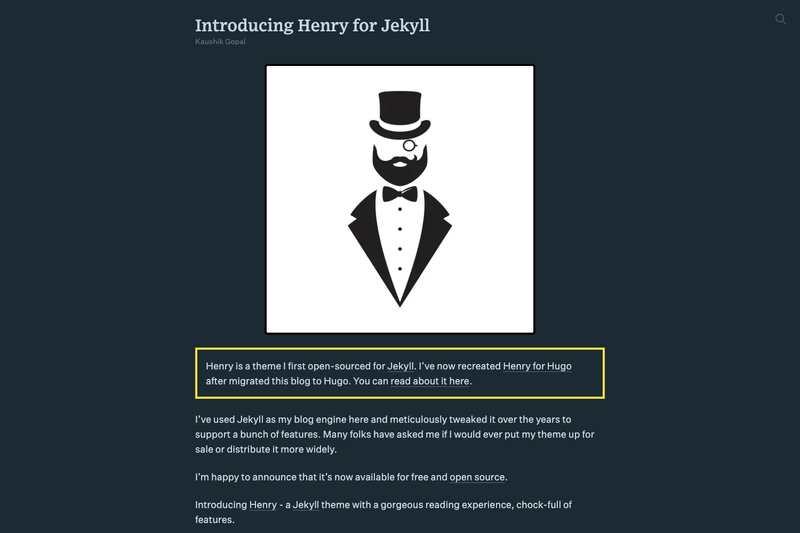
Henry is a Jekyll theme for a gorgeous reading experience, packed with features.
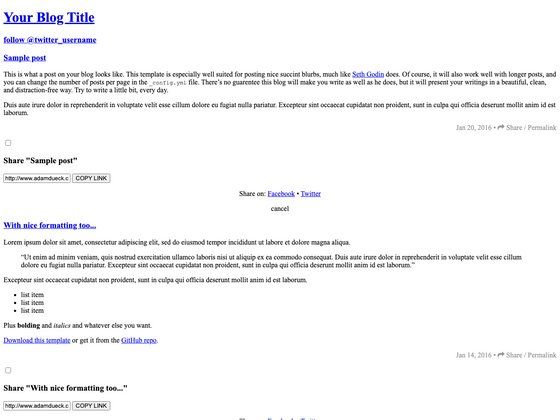
A Jekyll blog template for simple, readable snippets, deployable to GitHub Pages.
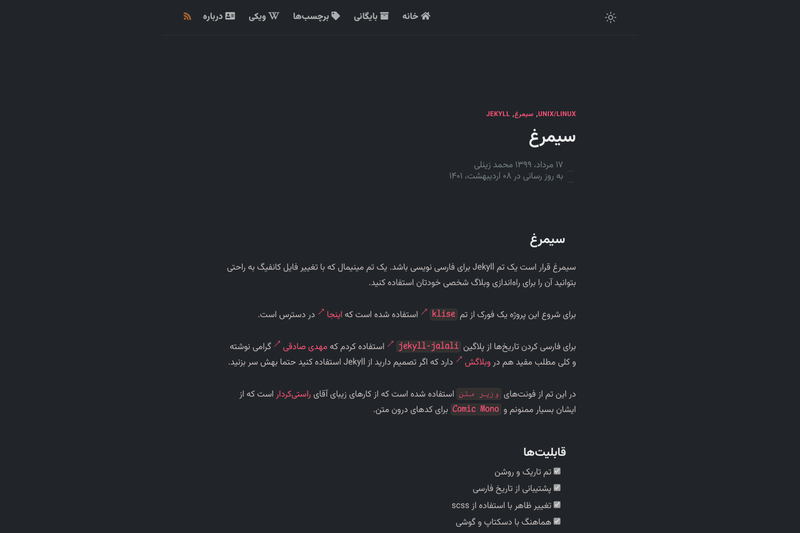
A Jekyll theme for Persian blogs with Jalali (Khorshidi) date support.
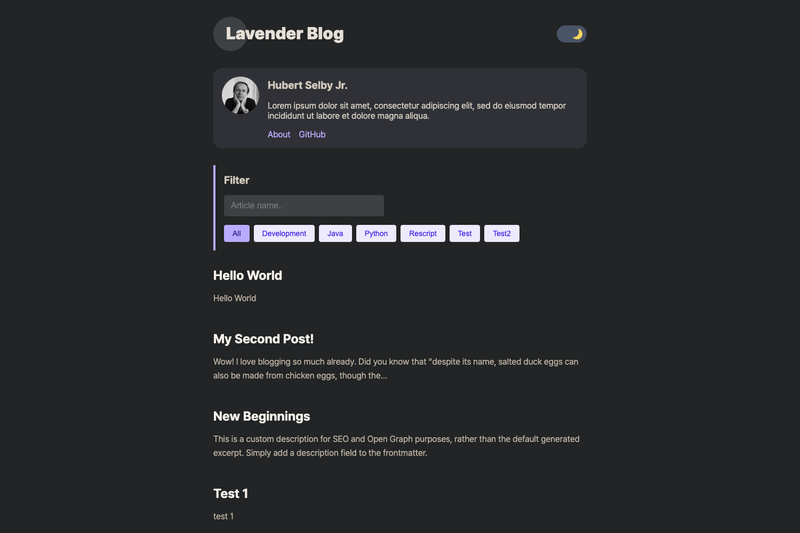
A minimal, readability-focused blog template built on Gatsby with TypeScript and Stitches theming.

Free Bootstrap 4 HTML5 magazine and news website template with split header, slider, megamenu, and Google Maps.
Henry is an open-source Jekyll theme designed to give blogs a comfortable, feature-rich reading experience, and it ships with a Docker-based setup so you can run a full blog locally with one command. It takes Markdown posts written for Jekyll and produces a styled static website, deployable to GitHub Pages or Firebase Hosting using the included guides.
Henry is a Jekyll theme built by Kaushik Gopal and released under the MIT License. It turns plain Markdown content into a complete static blog, with layouts, styling, and components already in place. The theme runs on Jekyll, the static site generator, and supports both new and existing Jekyll blogs, with or without Docker.
docker-compose up, eliminating the need to install Ruby and Jekyll on your machine.start_new_blog.sh cleans out template-specific files from a fresh clone so you begin with a tidy project.http://0.0.0.0:4000/ on Mac and http://localhost:4000/ on Windows../start_new_blog.sh, then docker-compose up to serve the blog at port 4000.username.github.io site.After cloning the repository, you run ./start_new_blog.sh to strip unnecessary files, then docker-compose up to build and serve the site. The Docker configuration bundles the Jekyll environment, so the site appears at port 4000 without a local Jekyll install. To deploy, you follow either the GitHub Pages or Firebase Hosting guide to push the generated static files to the host of your choice.
Yes, Henry is open source under the MIT License, so you can use, modify, and distribute it without cost.
No, Docker is the fastest way to get started, but the setup guide also describes running Henry without Docker for both new and existing Jekyll blogs.
Yes, the repository includes a publishing guide specifically for GitHub Pages, and several blogs in "Henry in the Wild" are already hosted that way.
docker-compose up?You get a fully rendered Jekyll blog at port 4000 on your local machine, with the theme's layouts and styles ready to apply to your Markdown posts.