Newsletter
Join the Community
Subscribe to our newsletter for the latest news and updates

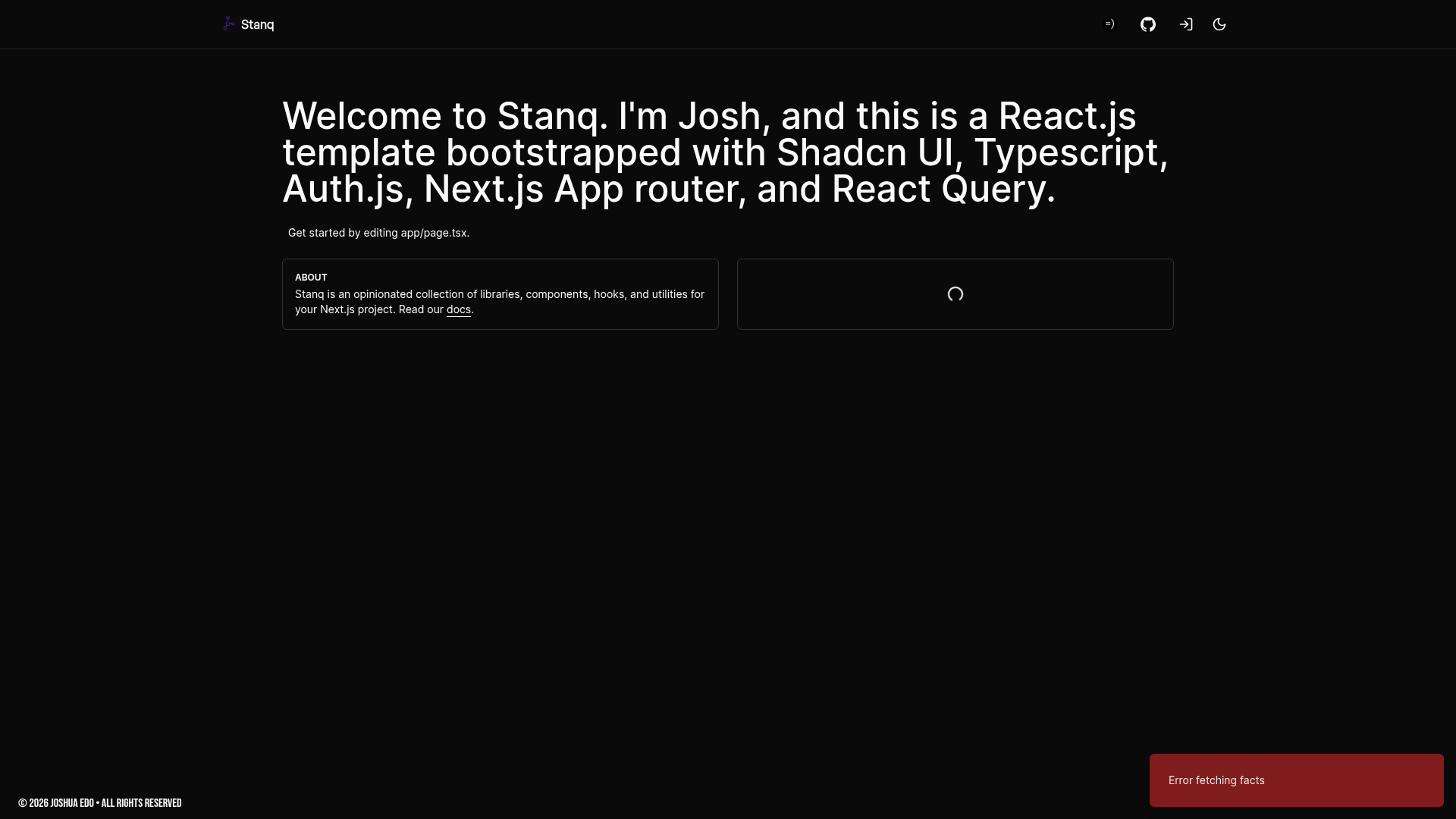
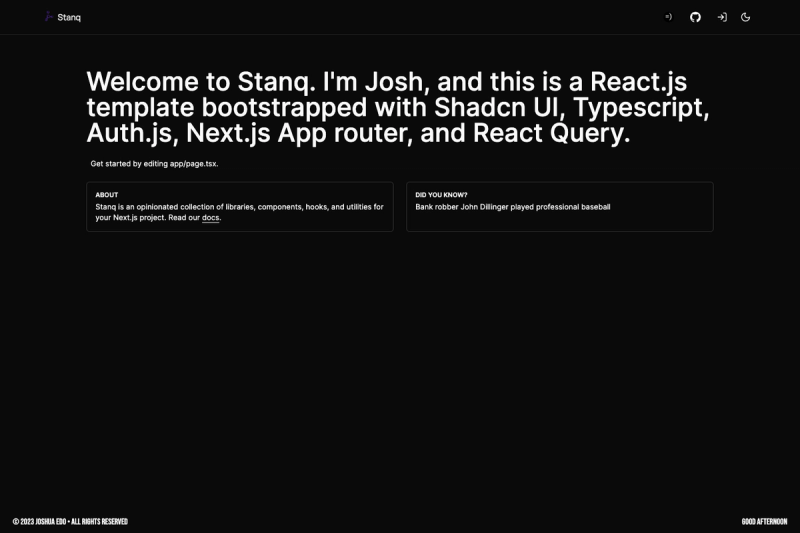
Next.js starter template with Shadcn UI, TypeScript, Auth.js, React Query, and Tailwind CSS.
A GitHub-hosted template from Creative Tim that deploys to Genezio with one click.
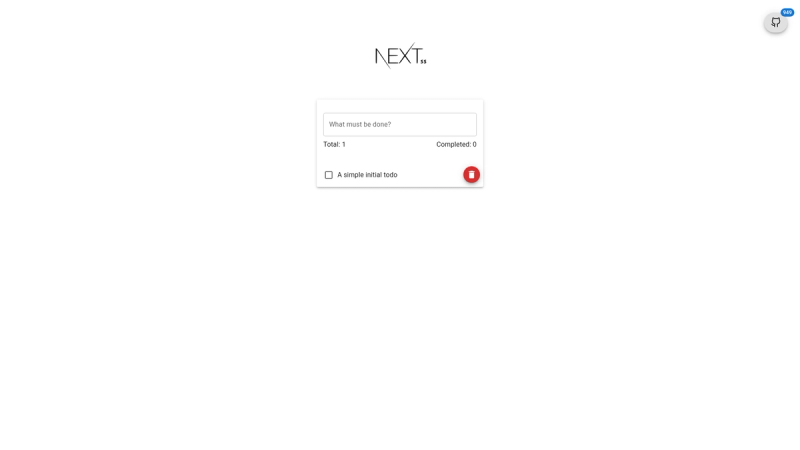
Simple and accessible Next.js 15 PWA boilerplate with Material UI, one-click Vercel deploy, and Netlify/Gitpod support.
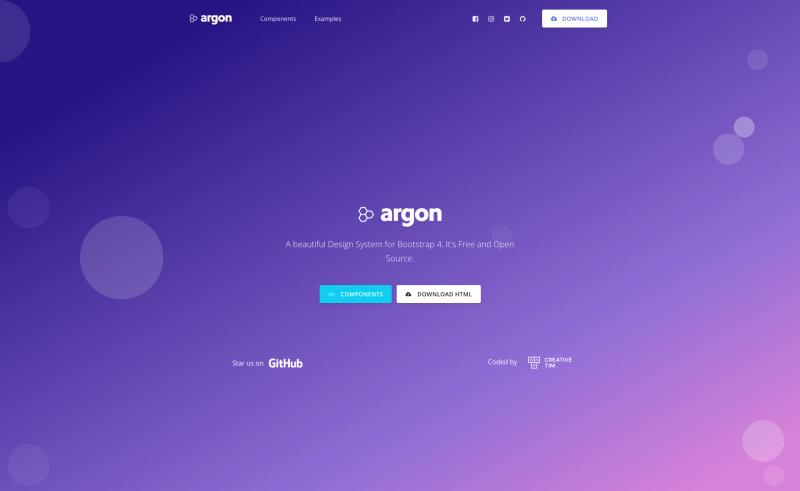
Free Bootstrap 4 design system with over 100 components, pre-built pages, and a full UI kit for faster web projects.
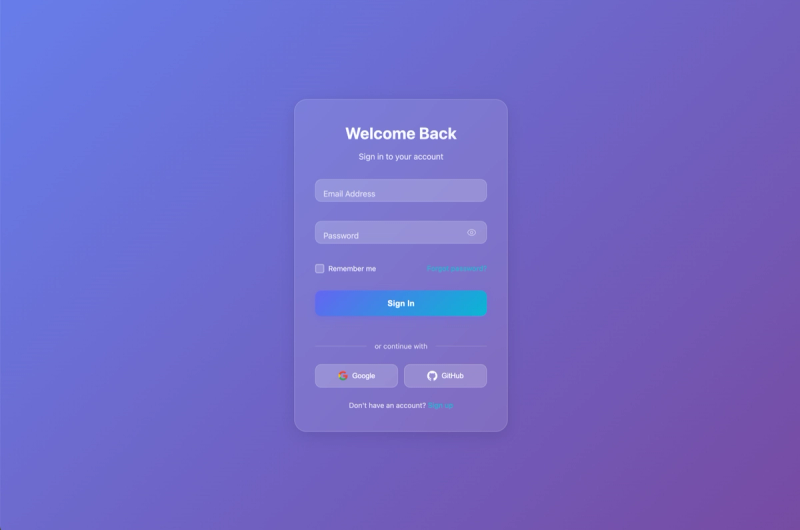
Collection of 20 responsive login form templates built with pure HTML, CSS, and JavaScript, with no external dependencies.
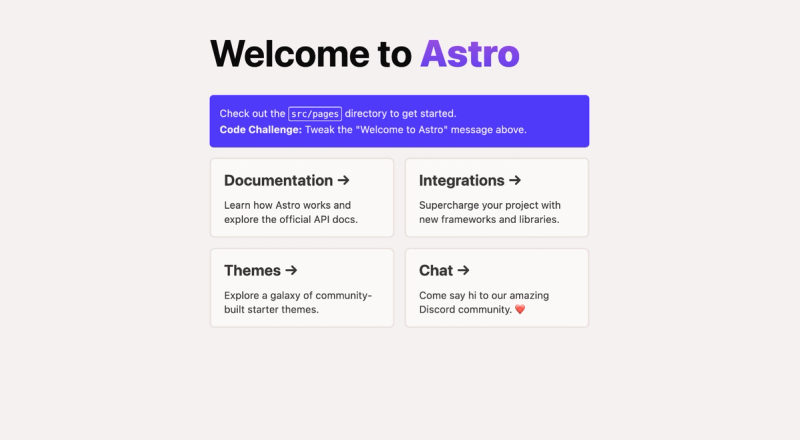
Astro template demonstrating micro-frontends with React, Angular, Vue, Lit, and Web Components on one page.
Stanq Template is a Next.js starter project that bundles Shadcn UI, TypeScript, Auth.js (NextAuth), React Query, and Tailwind CSS into an installable App Router template. It is authored by Joshua Edo and available on GitHub under the MIT license.
Stanq Template is a React.js boilerplate built on the Next.js App Router. It comes preconfigured with Auth.js for authentication (including Google OAuth provider configuration), React Query for server-state management, and a Tailwind CSS styling layer built on Shadcn UI components and Radix primitives. The project is created by Joshua Edo and distributed as a GitHub template that you can install with npx create-next-app --example https://github.com/joshuaedo/stanq-template.
app/ directory structure for routing and layouts.NEXTAUTH_SECRET, NEXTAUTH_URL, GOOGLE_CLIENT_ID, and GOOGLE_CLIENT_SECRET environment variables.useDate, useDeviceSize, and useOnClickOutside hooks plus a cn class-merging utility.create-next-app.npx create-next-app --example https://github.com/joshuaedo/stanq-template to scaffold a project with the full stack preconfigured..env.local and use Auth.js to handle sign-in and session management.The README provides four setup steps: create the project with the example URL, create a .env.local file with NextAuth and Google OAuth variables, run npm run dev, and then either remove the Hero.tsx file and fetchFacts() function or add your Ninjas API key to avoid errors. The app runs at http://localhost:3000.
Yes. Stanq Template is released under the MIT License, so you can use, modify, and distribute it freely.
You need Node.js and npm or Yarn installed on your machine. The template itself is installed via create-next-app.
Create a .env.local file in the project root with NEXTAUTH_SECRET, NEXTAUTH_URL, GOOGLE_CLIENT_ID, GOOGLE_CLIENT_SECRET, and NEXT_PUBLIC_NINJAS_API_KEY. Replace the placeholders with your actual credentials.
The Hero.tsx component uses fetchFacts() which calls the Ninjas API. Either add your API key from api-ninjas.com or remove the Hero.tsx file and the fetchFacts() function to disable the errors.