Newsletter
Join the Community
Subscribe to our newsletter for the latest news and updates

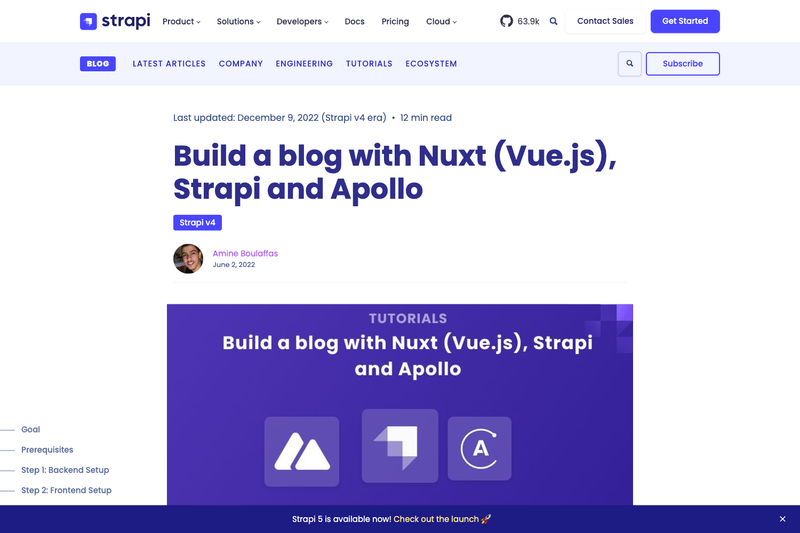
Nuxt starter for creating a blog with Strapi, featuring article and category content types.
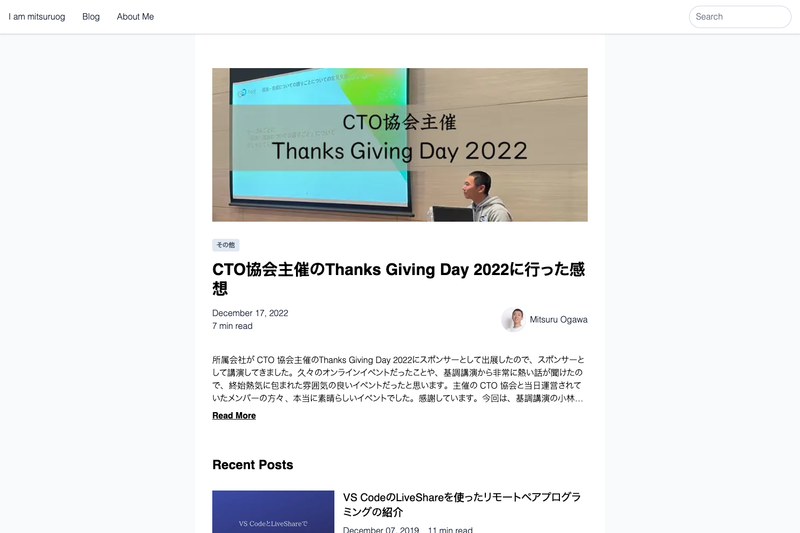
Hexo blog theme designed to make Japanese text more readable and beautiful.
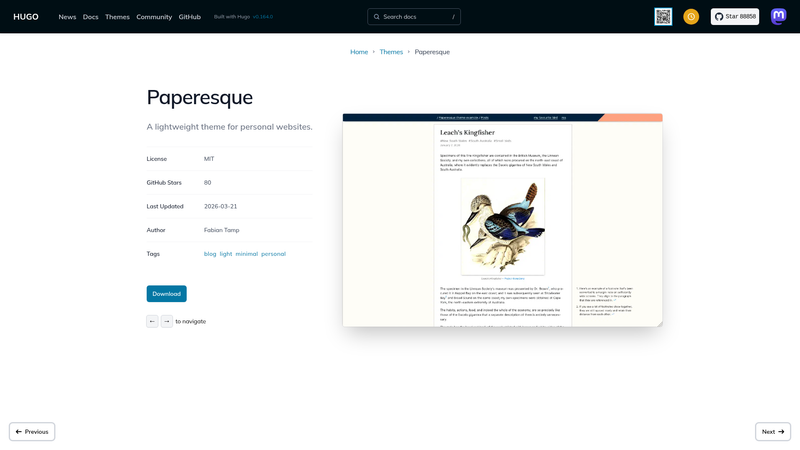
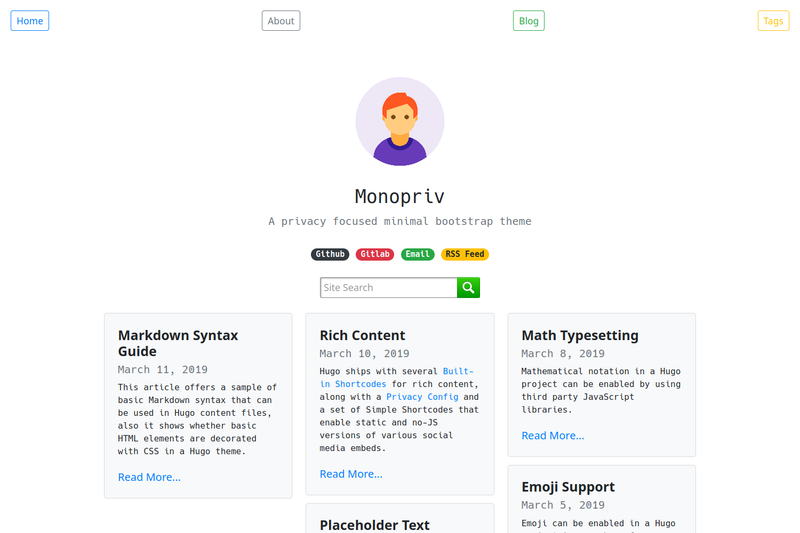
A lightweight Hugo theme with automated image resizing, margin-note footnotes, and draft/visibility controls for content sites.

Jekyll port of Ghost's Casper theme with author pages, tags, pagination, and a sliding sidebar.
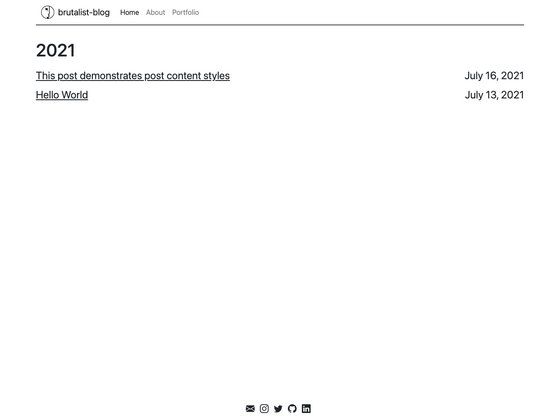
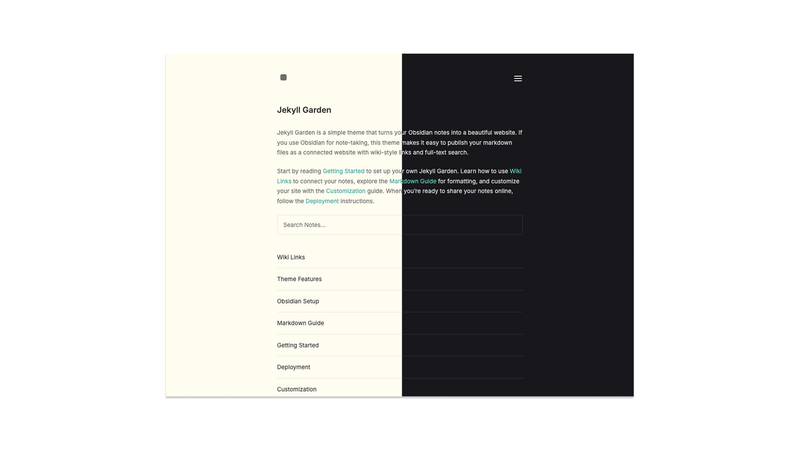
Minimalistic Jekyll blog theme with automatic dark/light mode, Bootstrap styling, and GitHub Pages support.
Strapi Starter Nuxt Blog is a deprecated starter template that pairs a Nuxt.js frontend with a Strapi backend to create a simple blog with article and category content types.
Strapi Starter Nuxt Blog is a starter project created by the Strapi team that combines a Nuxt.js frontend with a Strapi backend. It was designed to help developers quickly set up a blog with two content types: Article and Category, and it comes with sample data including 2 articles and 3 categories. The template runs on Nuxt 2 and Strapi v3, and it is no longer maintained; the official Strapi v4 alternatives live in the starters-and-templates monorepo.
npx create-strapi-starter@3 my-site nuxt-blog creates a monorepo with separate frontend and backend folders, installs dependencies, and starts both servers automatically.API_URL environment variable pointing to the Strapi backend URL (without a trailing slash).Run npx create-strapi-starter@3 my-site nuxt-blog to generate the monorepo. The CLI installs dependencies, then starts the Nuxt frontend at http://localhost:3000 and the Strapi backend at http://localhost:1337. The frontend reads the API_URL environment variable to know where to fetch content from Strapi.
No. The repository is deprecated and no longer maintained. It only works with Strapi v3, and the Strapi team directs users to the starters-and-templates monorepo for Strapi v4 starters.
The template includes two content types: Article and Category. It comes with 2 sample articles and 3 sample categories, and API permissions for both content types are enabled by default.
You need to deploy the frontend and backend as separate projects. The frontend requires an API_URL environment variable set to your Strapi backend URL, without a trailing slash. Deployment guides for Strapi and Nuxt are linked in the repository.
The template uses Nuxt 2. The deployment documentation references Nuxt 2.x deployment guides, and the starter is only compatible with Strapi v3.