Newsletter
Join the Community
Subscribe to our newsletter for the latest news and updates

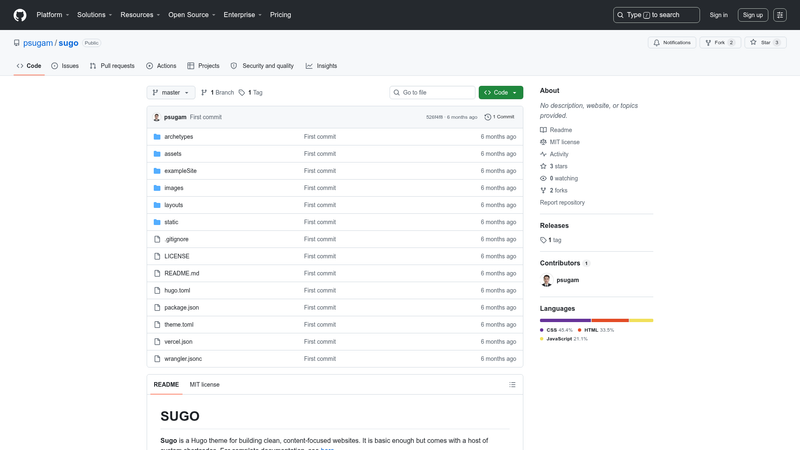
A clean Hugo theme for content-focused websites with custom shortcodes and an example site.
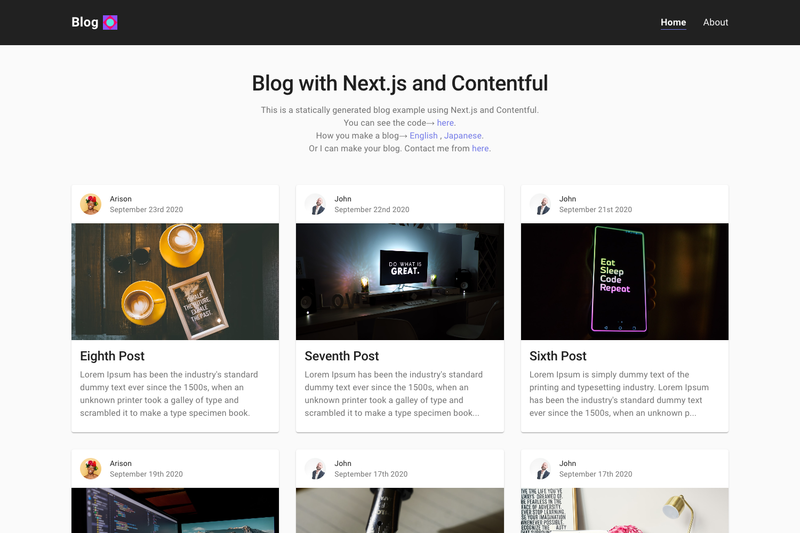
A blog demo built with Next.js and Contentful that you can clone and use for your blog.
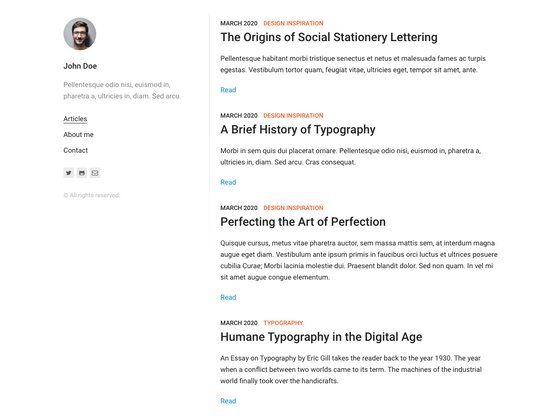
Lumen is a minimal, lightweight and mobile-first starter for creating blogs using Gridsome and Kentico Kontent.
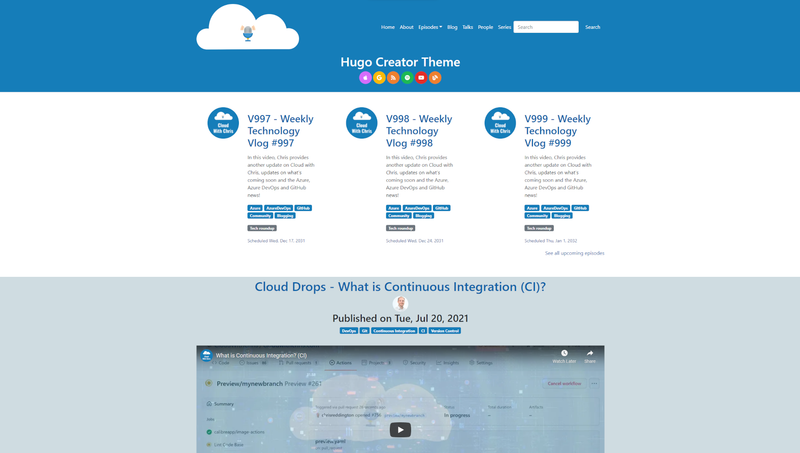
A Hugo theme for content creators — bloggers, podcasters, and YouTubers — that helps you build a static site with less effort.
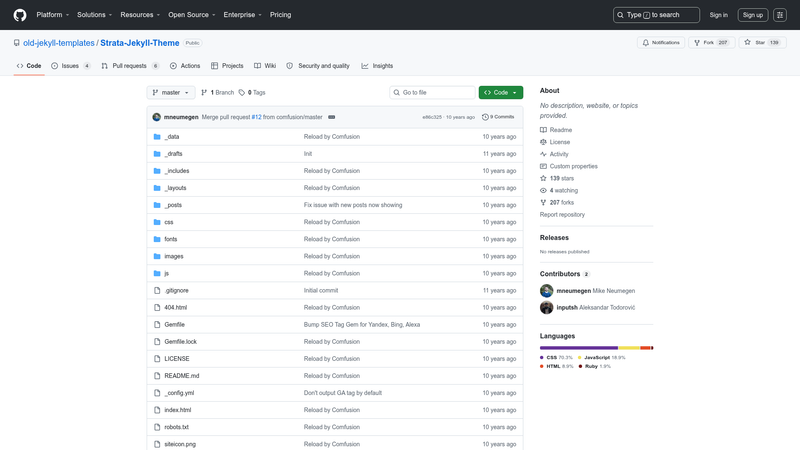
Simple, clean personal blogging template for Jekyll based on Strata by HTML5 UP.

A fresh and refined Hexo blog theme with Less preprocessing, built-in search, sharing, tipping, and animation effects.
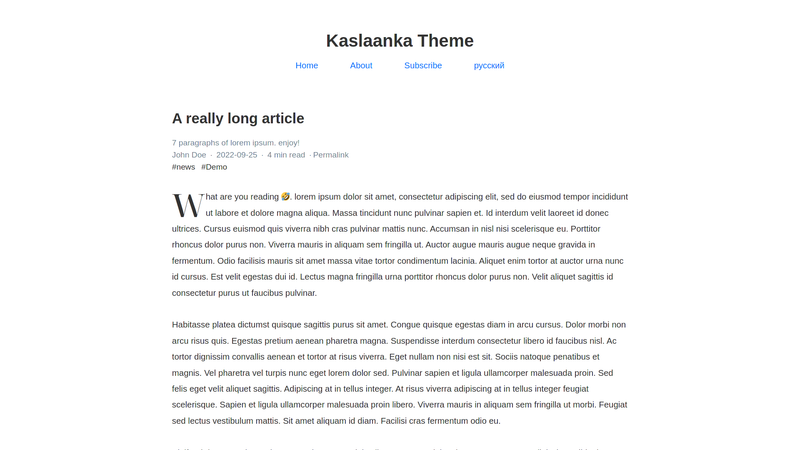
A minimalist, text-oriented Hugo theme for blogs and personal websites.
SUGO is a Hugo theme for building clean, content-focused static websites, created by psugam and distributed as open source on GitHub with a dedicated documentation site.
SUGO is a Hugo theme that provides a minimal, content-focused layout and a set of custom shortcodes for extending pages beyond plain Markdown. It takes a standard Hugo site structure as input and outputs a static website via Hugo's build process. The theme runs on Hugo (latest version recommended) and requires Git for installation. It was created by psugam and is hosted on GitHub, with documentation available at sugo-docs.pokharelsugam19.workers.dev.
theme = "sugo" in your hugo.toml, and run hugo server -D to preview at http://localhost:1313.After installing the theme via one of the three methods (git submodule, git clone, or Hugo module), set the theme in your hugo.toml, then copy the contents of themes/sugo/exampleSite/ to your site root. Run hugo server -D to start a development server with draft content displayed at http://localhost:1313.
SUGO is open source and free to use. The exact license terms are described in the LICENSE file included in the GitHub repository.
Yes, SUGO is open source, so you can use it without paying a license fee. The specific license terms are in the LICENSE file in the repository.
You need Hugo (the latest version is recommended) and Git installed on your system. Hugo handles the site build, and Git is used for cloning the theme or adding it as a submodule or module.
There are three ways: add it as a Git submodule, clone the repository into your themes folder, or import it as a Hugo module via your hugo.toml configuration. Full installation instructions are in the official documentation.
Yes, the theme includes an exampleSite directory. Copying its contents to your Hugo site root gives you a working starting configuration to customize.
After copying the exampleSite, run hugo server -D from your project root. This starts a local development server, and you can view your site at http://localhost:1313.