Newsletter
Join the Community
Subscribe to our newsletter for the latest news and updates

A fast Next.js + Tailwind CSS template for building job-searching or eCommerce websites.

A one-page Jekyll theme with three layouts (half, full, card), responsive images, Sass styling, and Gulp-based live reload.

Chat more effectively with your customers via email, right here on our website!

A template for building Slack apps with Bolt and Nitro, deployable to Vercel.
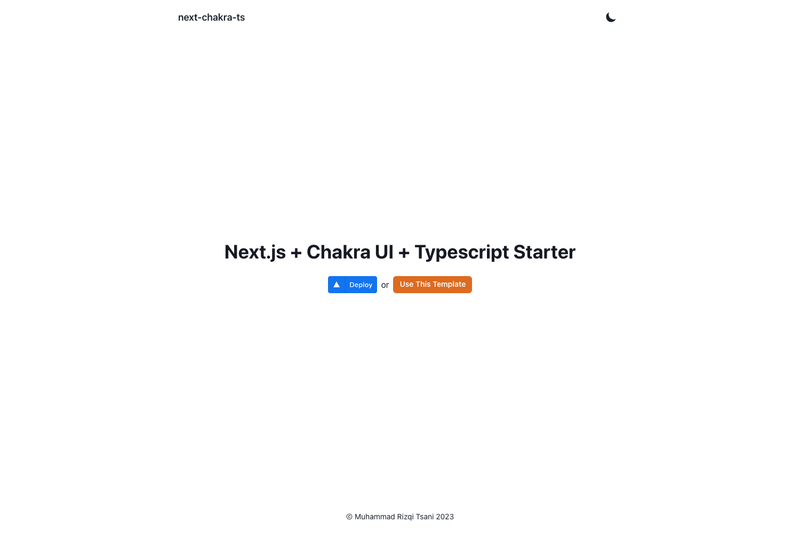
A Next.js starter template with TypeScript and Chakra UI, bootstrapped with create-next-app.
Superio is a Next.js and Tailwind CSS starter template for building job-searching or eCommerce websites, derived from the official with-tailwindcss example in the Next.js repository. Below is a factual breakdown of what the template contains, how to use it, and who it fits.
Superio is a Next.js and Tailwind CSS starter template for building job-searching or eCommerce websites. It is based on the official with-tailwindcss example, which demonstrates how to wire Tailwind CSS v2.2 with the Just-in-Time Mode into a Next.js project. The template takes a Next.js application as input and produces a styled, responsive front-end with utility-first CSS, ready to be extended with pages and components for job listings or product catalogs. A live deployment is hosted at https://internship-ashy.vercel.app/, and the project is available on GitHub.
npx create-next-app --example with-tailwindcss or yarn create next-app --example with-tailwindcss.The template is based on the open-source with-tailwindcss example from Next.js and is publicly available on GitHub, so it can be used freely. No pricing or license details are stated in the README.
It uses Tailwind CSS v2.2 with the new Just-in-Time Mode enabled, as mentioned in the README's first paragraph.
Run npx create-next-app --example with-tailwindcss with-tailwindcss-app (or the Yarn equivalent) to bootstrap a local project, then customize it. Alternatively, use the Vercel Deploy button to deploy directly from the repository.
Yes, Tailwind CSS in this setup is processed through PostCSS, and the repository includes a postcss.config.js file as part of the standard configuration.
The README only covers deployment to Vercel; other platforms are not mentioned in the provided content.