Newsletter
Join the Community
Subscribe to our newsletter for the latest news and updates

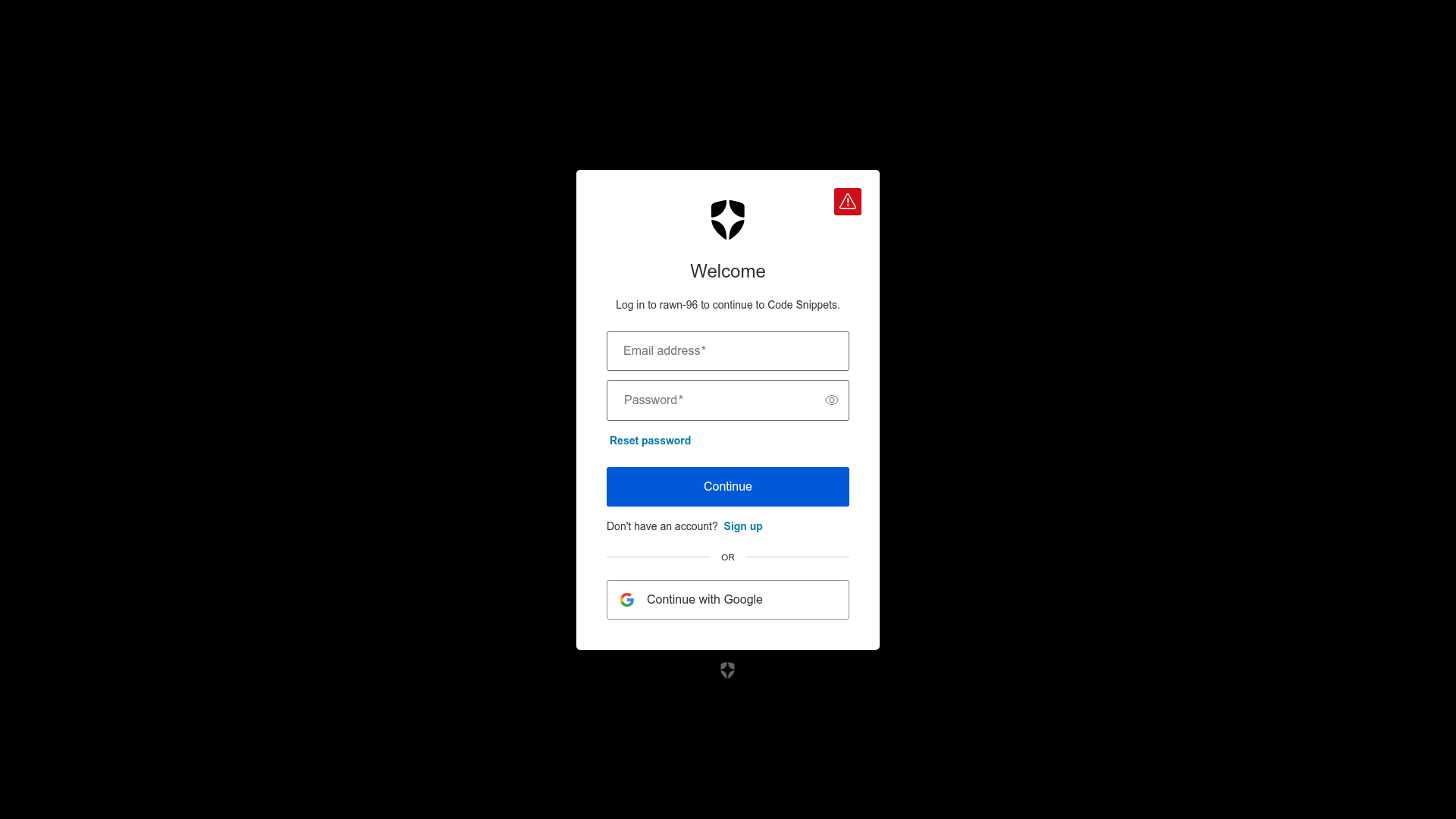
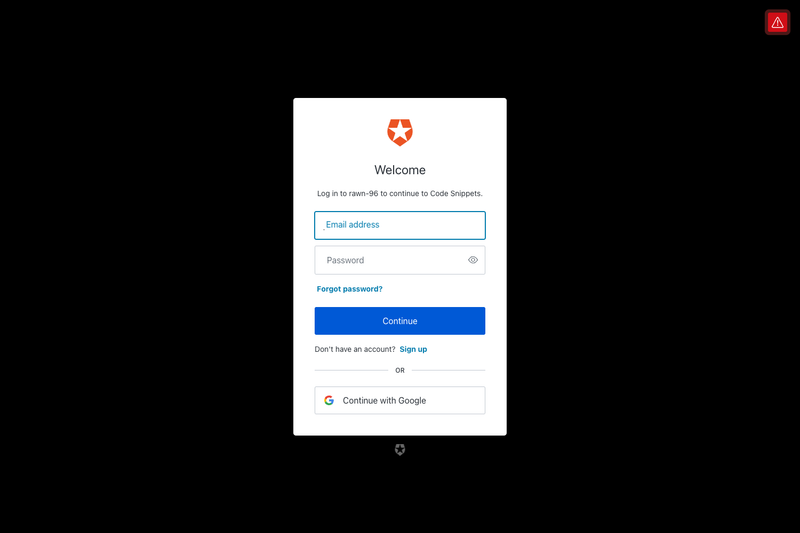
JamStack with NextJs, AirTable DB, Auth0 authentication
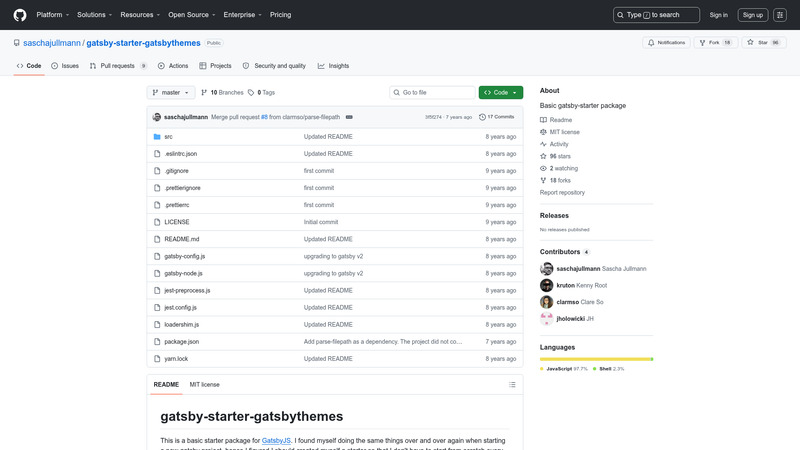
A basic Gatsby v2 starter with Emotion, Jest, ESLint, a blog, and JSON data files.

Starter template for parallax effects & smooth scrolling experience.

Free one-page HTML5 education website template with header slider, course carousel, contact form, and newsletter signup.
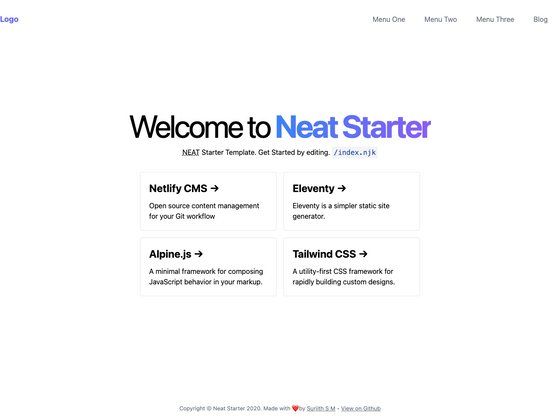
Starter template for static sites using Netlify CMS, Eleventy, Alpine JS, and Tailwind CSS.
Todo App Nextjs Jamstack is a boilerplate starter for building a Jamstack todo application that pairs Next.js with AirTable as the database and Auth0 for authentication.
Todo App Nextjs Jamstack is a Next.js project bootstrapped with create-next-app, so it begins with the standard pages directory structure, including pages/index.js and pages/api/hello.js. Its repository metadata describes it as a Jamstack application with an AirTable database and Auth0 authentication, meaning it serves as a starting point for a todo app where data lives in AirTable and users sign in via Auth0. The template runs on Node.js and is designed for deployment to Vercel, as noted in the README.
Clone the repository, install dependencies with npm install or yarn, then run npm run dev. Open http://localhost:3000 in your browser to see the app. The page auto-updates when you edit pages/index.js.
Tailwind is not mentioned in the README or the repository metadata. The default create-next-app setup includes plain CSS modules, so there is no confirmed Tailwind integration in this template.
Yes. The README explicitly points to the Vercel Platform as the easiest deployment option, and the commands in the README are written for Next.js apps that deploy to Vercel without additional configuration.
AirTable is listed in the repository description, so todo items are stored in an AirTable base and accessed through its REST API. You would need to supply your own AirTable API key and base details.
Yes, Auth0 is listed as the authentication provider, meaning the template is set up to use Auth0's hosted login pages and JWT handling for securing user data.