Newsletter
Join the Community
Subscribe to our newsletter for the latest news and updates
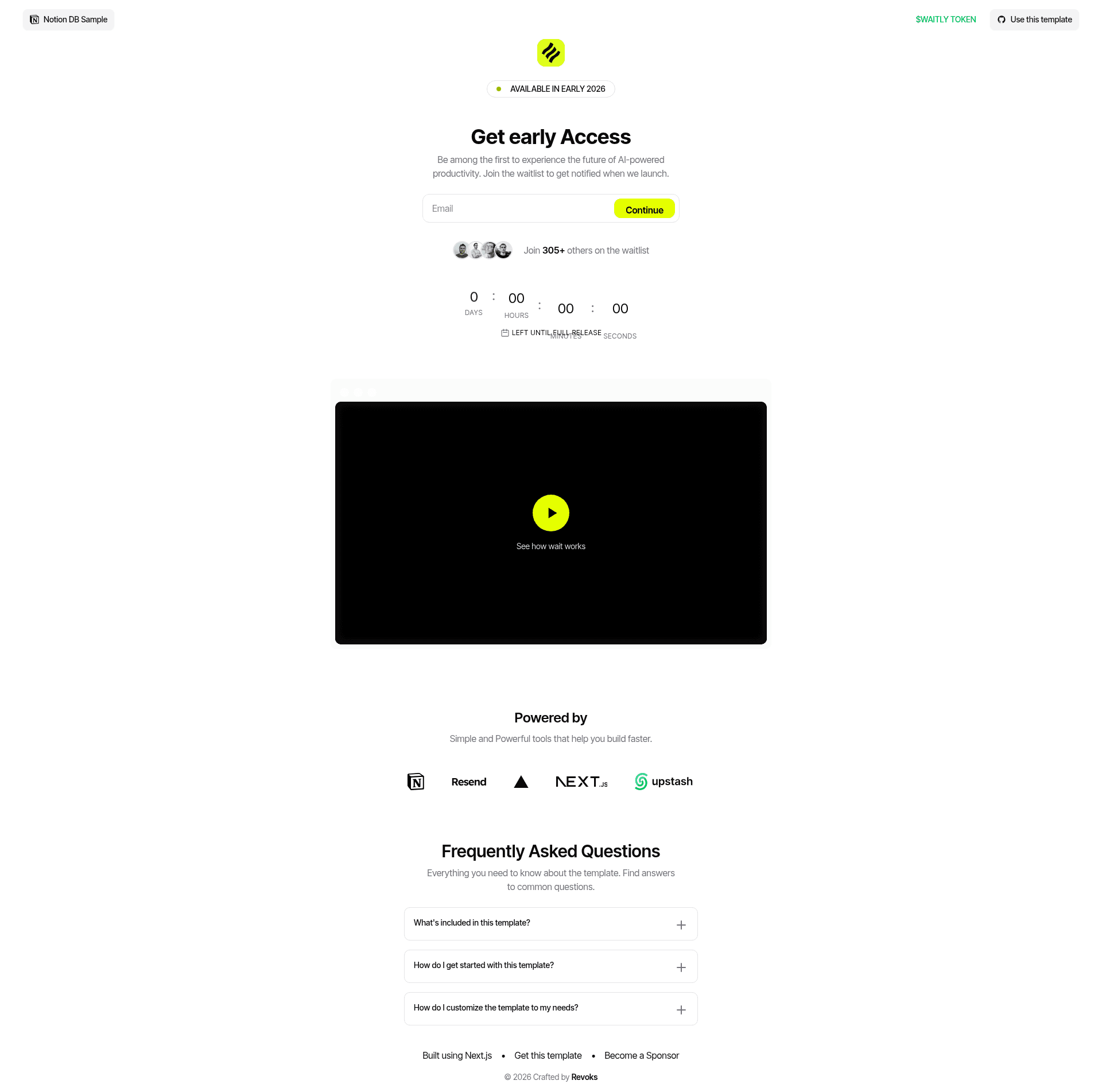
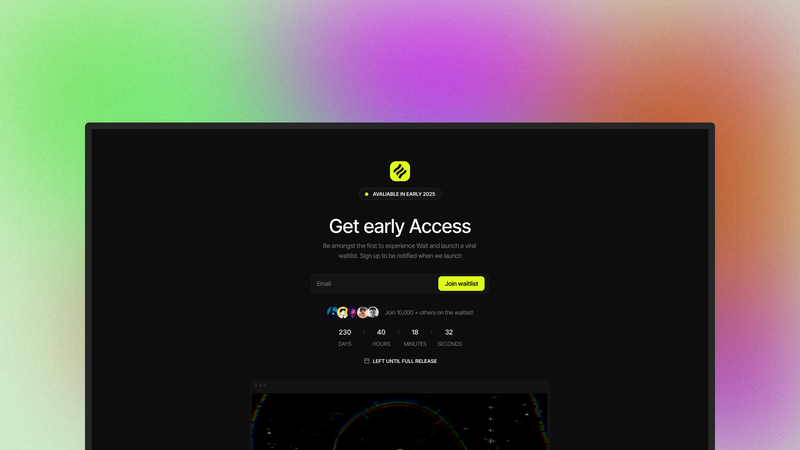
Open-source Next.js 16 waitlist template that stores signups in Notion, rate-limits with Upstash Redis, and emails via Resend.
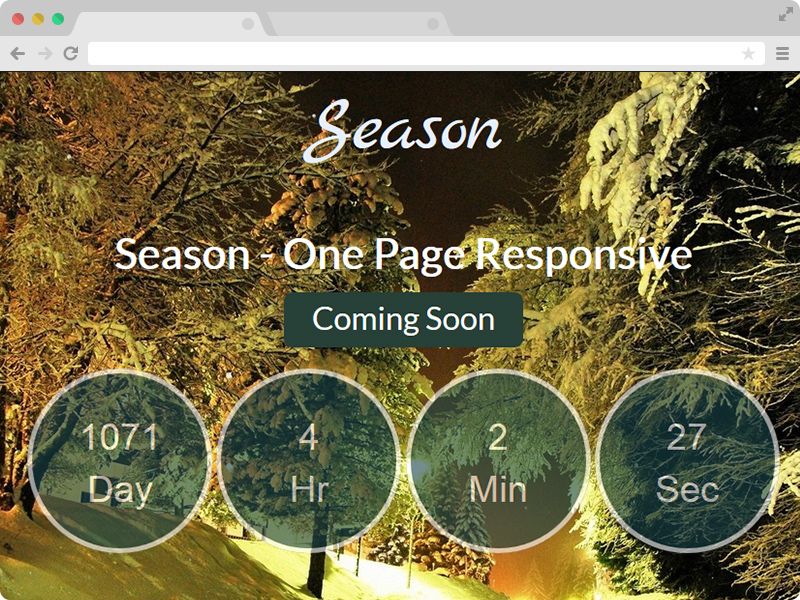
Free one-page responsive coming soon Bootstrap 3 template with full-width slider, PHP contact form, Mailchimp subscription, and SEO-friendly markup.
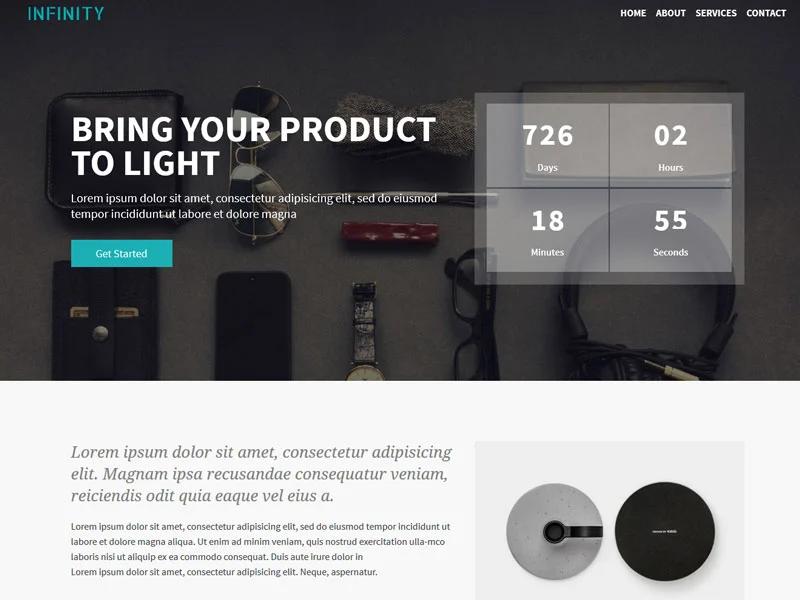
Free Bootstrap 4 coming soon template with countdown timer, about, service, and contact sections, plus a sticky navbar.
Waitly is an open-source waitlist page template for Next.js 16 that stores signups in a Notion database, rate-limits submissions with Upstash Redis, and sends confirmation emails through Resend from a verified custom domain. It ships with a one-click Vercel deploy button and an MIT license.
Waitly is a product waitlist template built on Next.js 16 that collects email signups into a Notion database, throttles submissions with Upstash Redis, and sends transactional confirmation emails via Resend. The template takes five environment variables as input — a Upstash Redis REST URL and token, a Notion integration secret plus database ID, and a Resend API key with a verified sending address — and produces a deployed waitlist page plus a Notion table of signups. It is published by revokslab (the Idee8/Waitly GitHub repository) under the MIT License, with a live demo at waitly.revoks.dev.
RESEND_FROM_EMAIL and an optional RESEND_REPLY_TO_EMAIL.pnpm email starts a Resend template preview server on port 3001 alongside the app on port 3000.Setting up Waitly means connecting three external services before the page will run. First you create a Redis database in Upstash and copy its REST URL and token, then verify a domain in Resend and generate an API key, then create a Notion database with the required properties and share it with a Notion integration that has insert capability. After cloning the repository, installing dependencies with pnpm install, and filling in the five variables in .env.local, pnpm dev serves the app at localhost:3000.
Waitly is free and open-source under the MIT License, which permits use, modification, and distribution for personal or commercial projects. The external services it depends on — Upstash Redis, Resend, and Notion — are set up on those providers' own accounts.
Yes. The template is released under the MIT License, so you can use, modify, and distribute it for personal or commercial projects. You still need your own Upstash, Resend, and Notion accounts for the services the template calls.
You need an Upstash Redis database with its REST URL and token, a Resend account with a verified domain and API key, and a Notion database containing Name, Email, Referral Code, Referred By, and Referrer properties, shared with a Notion integration that has insert capability.
The repository's feature list states Next.js 16, described as the latest release of the framework. The template also uses TypeScript for type safety and Tailwind CSS for styling.
Signups are stored in your own Notion database rather than an external waitlist service. The template reads and writes through the Notion API using your integration secret and database ID, so the data stays inside your Notion workspace.
No. A one-click Vercel deploy button is provided for convenience, but you can also fork and clone the repository, run it locally with pnpm dev on port 3000, and host it wherever Next.js runs.