Newsletter
Join the Community
Subscribe to our newsletter for the latest news and updates

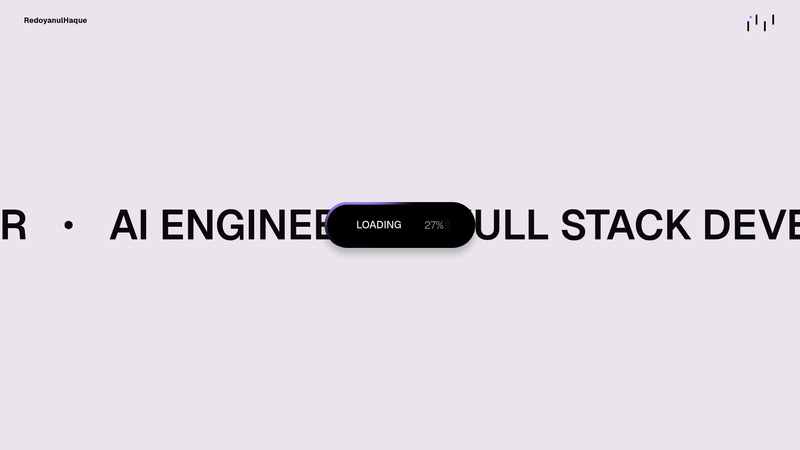
Interactive 3D developer portfolio template built with React, TypeScript, Three.js, and GSAP, including AI chat and chessbot.
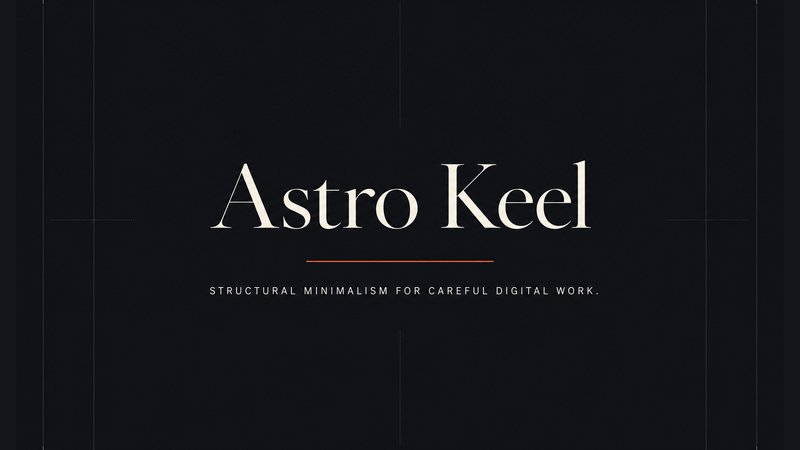
A minimal, neutral, and modern portfolio and blog theme for Astro 7, with a one-line accent color, dark mode, tags, RSS, and Shiki dual themes.

A VS Code / One Dark inspired developer portfolio app built with React and TypeScript.
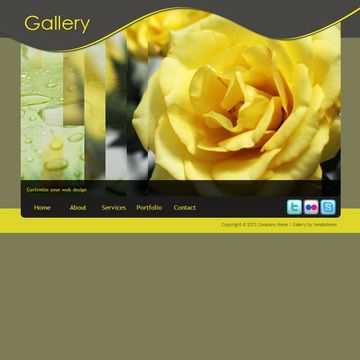
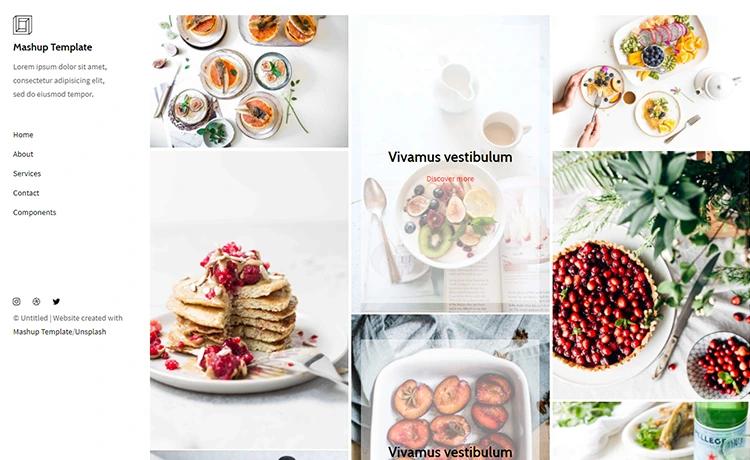
One-page gallery template with yellow-beige curved design, Nivo Slider, and Slim Box 2 lightbox for portfolios.
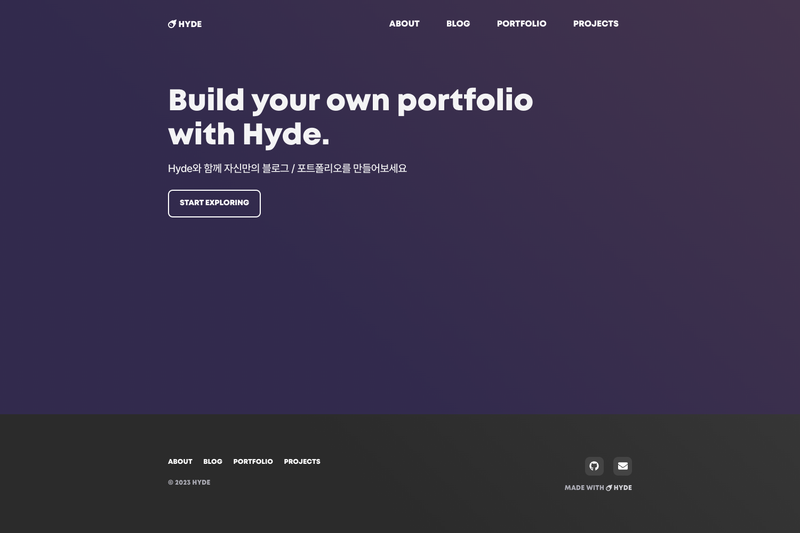
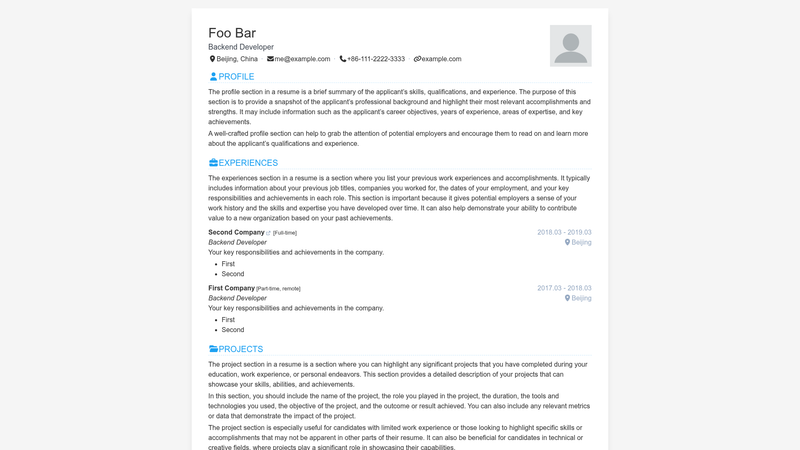
A Jekyll personal blog and portfolio template with GitHub Pages support.
3D Developer Portfolio Website is an open-source portfolio template that uses React, TypeScript, and Three.js to present a developer's work inside an interactive WebGL scene, with an AI chat and a chessbot included. Created by GitHub user red1-for-hek and released under the MIT License, it powers the live site at https://www.redoyanulhaque.me/.
The 3D Developer Portfolio Website is a frontend template that turns a developer's personal details, projects, and links into a responsive, single-page portfolio with a Three.js-powered 3D backdrop. As input it takes the owner's name, hero section text, a projects list, social links (GitHub, LinkedIn, email), and SEO meta title and description; as output it produces a website you run and deploy with npm. The stack combines React and TypeScript for component logic, Three.js/WebGL for 3D rendering, and GSAP for animations, all bundled with Vite.
Software developers, engineers, and programmers who want a portfolio that goes beyond a standard card-based layout can use this template to replace a flat resume site with a 3D-first experience. Frontend developers comfortable with npm and React can clone the repository and have a customized site live within a day. Creative coders can treat the Three.js scene and GSAP setup as a base for their own WebGL experiments.
Setup takes four terminal commands. First, clone the repository with git clone https://github.com/red1-for-hek/portfolio-website.git and move into the new folder. Second, run npm install to fetch dependencies. Third, run npm run dev to launch the development server locally. Finally, run npm run build when the site is ready to produce a production bundle for deployment.
Yes. The project is open source under the MIT License, so you can use, modify, and redistribute it freely. The author only asks that you star the repository if you find it useful.
Clone the repository, run npm install to install dependencies, then run npm run dev to start the development server. To prepare the site for deployment, run npm run build to generate the production bundle.
The README lists four main areas: your name and the hero section text, the projects list, social links (GitHub, LinkedIn, email), and the SEO meta title and description.
Yes. The repository describes the UI as responsive and designed for both desktop and mobile, so the 3D experience renders on smaller screens as well.
The project is released under the MIT License, which permits commercial and personal use, modification, and redistribution with attribution.