Newsletter
Join the Community
Subscribe to our newsletter for the latest news and updates
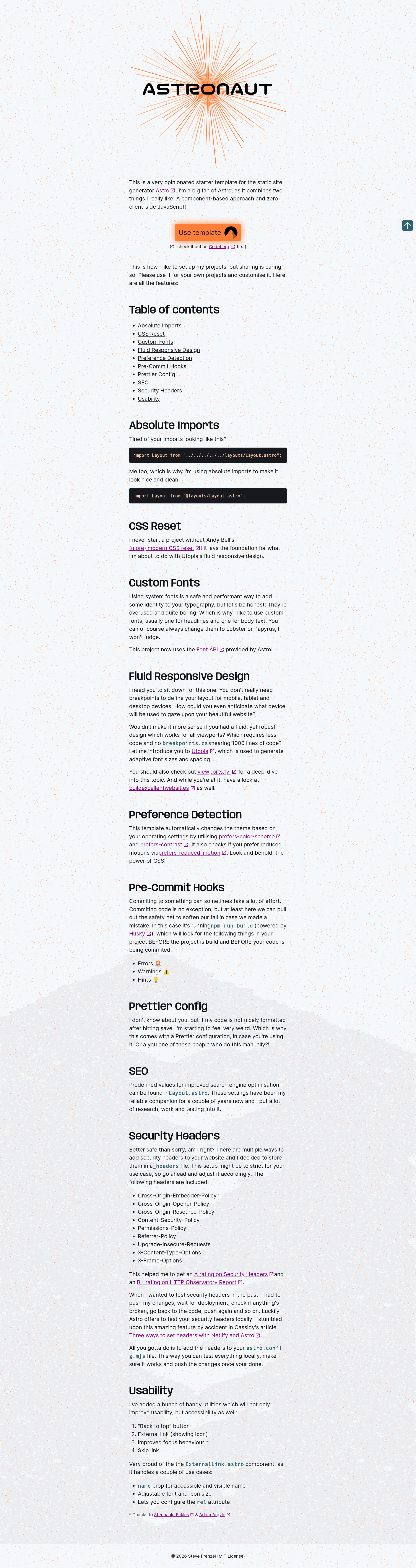
Starter template for static site generator Astro, pre-configured for accessibility and security.

A Gatsby starter for fast news websites using Ghost as a headless CMS, with Netlify deployment and email subscription support.
This is a simple webpack boilerplate for your comfortable work with HTML, JS and CSS.
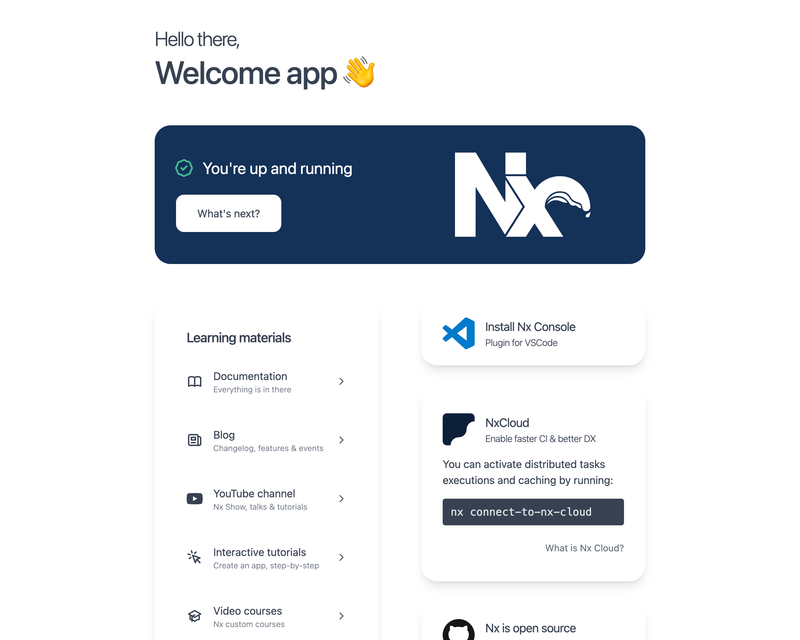
Learn to implement a monorepo with a single Next.js site using Nx.
NextJS Starter Kit with Testing Frameworks and CI/CD
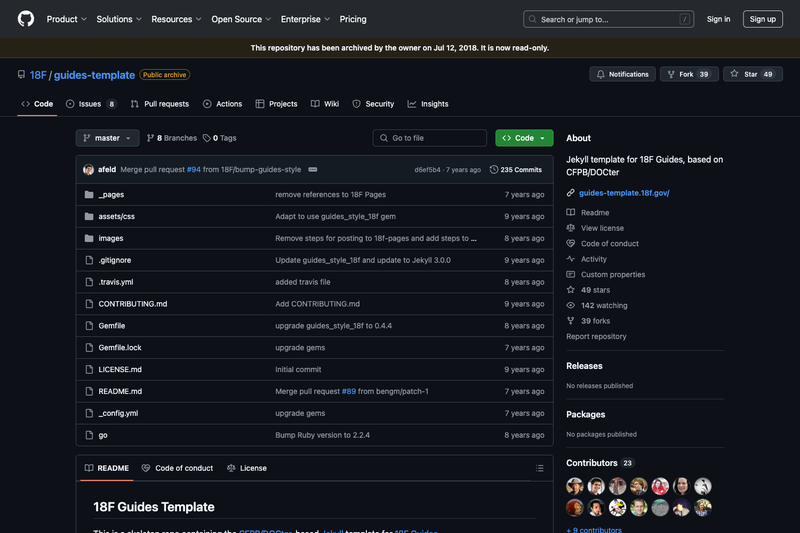
Jekyll template for 18F Guides, based on CFPB/DOCter, for publishing documentation guides.

A standards-respecting starter kit for Eleventy. Go Indie.
astro-naut is a free and open-source starter template for the Astro static site generator, providing a pre-configured project scaffold for building modern, accessible static websites.
astro-naut is a starter template created by Steve Frenzel (stvfrnzl) and hosted on Codeberg that gives you a ready-to-run Astro project structure. You input an empty repository by clicking "Use this template" and get a fully configured Astro site with TypeScript, Prettier, Husky Git hooks, and a VSCode workspace. The template has been updated from Astro v5 to Astro v6, and a live demo is available at https://astro-naut.statichost.eu/ to show what the default site looks like.
Yes, the repository is publicly available on Codeberg under an open-source license. The project page does not mention any paid tiers or commercial restrictions, and a LICENSE file is present in the root directory.
The template has been updated from Astro v5 to Astro v6, so it targets Astro 6. The package.json and astro.config.mjs files in the repository define the exact dependency versions for your environment.
Yes, the project page links a live demo at https://astro-naut.statichost.eu/. The demo shows the default appearance of a site generated from the template.
Open the repository on Codeberg and click the "Use this template" button to create a new repository pre-populated with the files. Then clone the new repository locally, install dependencies with npm, and start the development server with npm run dev.