Newsletter
Join the Community
Subscribe to our newsletter for the latest news and updates

NextJS Starter Kit with Testing Frameworks and CI/CD
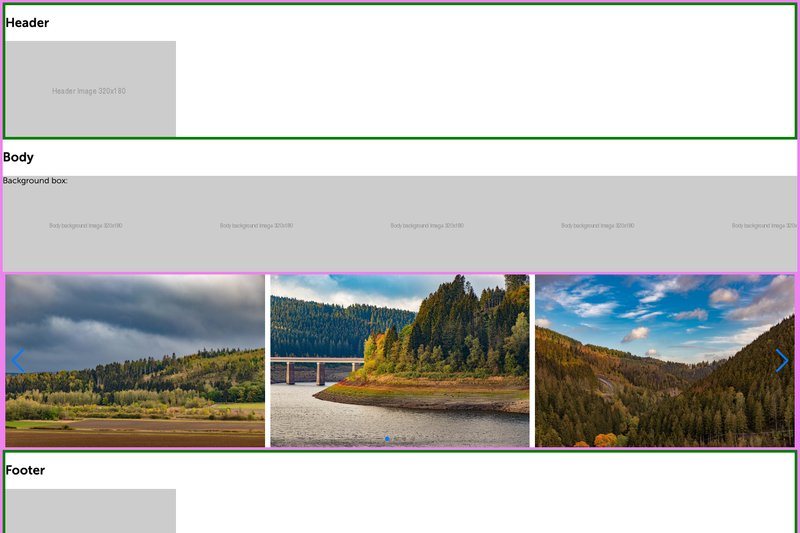
This is a simple webpack boilerplate for your comfortable work with HTML, JS and CSS.
Learn to implement a monorepo with a single Next.js site using Nx.

Starter template for static site generator Astro, pre-configured for accessibility and security.
Jekyll template for 18F Guides, based on CFPB/DOCter, for publishing documentation guides.
A standards-respecting starter kit for Eleventy. Go Indie.
NextJS Starter Kit is a GitHub boilerplate template that scaffolds a Next.js and TypeScript application pre-configured with Jest, Cypress, Storybook, ESLint, and GitHub Actions for testing and CI/CD. It is maintained by the sex-request GitHub account, is MIT-licensed, and serves as the base setup for the account's frontend repository.
NextJS Starter Kit is an open-source repository template that generates a Next.js project with TypeScript, MDX, Yarn 2 Plug'n'Play, Storybook, Jest, Cypress, ESLint, and GitHub Actions. It takes a fresh Next.js setup and adds the configuration files, scripts, and workflows needed for linting, unit testing, end-to-end testing, and deployment, so that a new project starts with a working development pipeline instead of a blank app.
yarn && yarn postinstall..scss files through @storybook/preset-scss, with Sass variables available in stories.test, test:watch, and test:coverage scripts.cypress:headless and e2e scripts.airbnb-typescript rule set.yarn && yarn postinstall, then yarn dev to get a local Next.js server with linting and tests ready.coverage.yaml, e2e.yaml, and deploy workflows to automate quality gates on other projects.Clone or fork the repository, run yarn && yarn postinstall to install dependencies, and start development with yarn dev. Before pushing, Husky auto-increments the patch version and runs lint, coverage, and E2E checks; after pushing, GitHub Actions workflows handle coverage, E2E testing, and deployment.
NextJS Starter Kit is free and open source under the MIT License.
Yes, the repository is licensed under the MIT License, so it can be used and modified freely, including for commercial projects.
Jest is configured for unit tests with scripts for watch mode and coverage, and Cypress is configured for end-to-end tests with headless options. The README states a 100% coverage target for Jest.
The README lists must-change locations: the project name in package.json, the production URL and path in next.config.js, the favicon and icon PNGs in /public, the application info in /public/manifest.json, the language in /pages/_document.tsx, and the description and title in /pages/_app.tsx.
Yes, Storybook on Webpack 5 uses @storybook/preset-scss, and the badges on the repository confirm Sass is part of the stack.