Newsletter
Join the Community
Subscribe to our newsletter for the latest news and updates

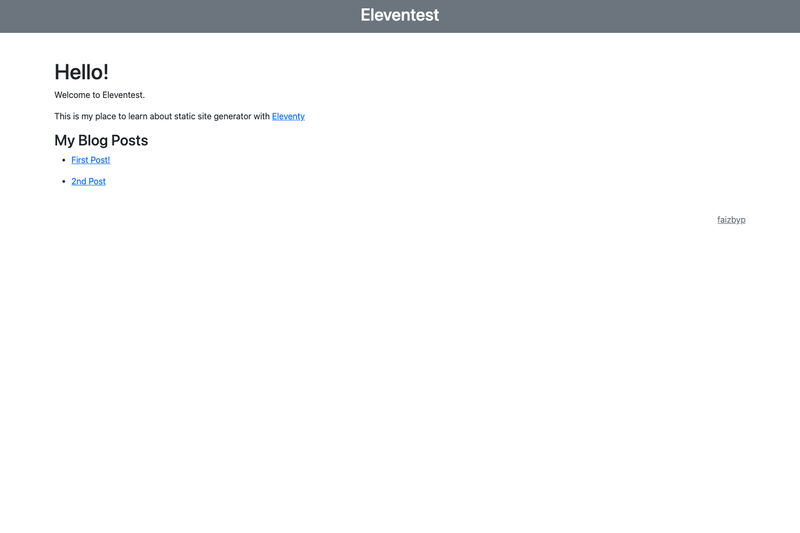
A standards-respecting starter kit for Eleventy. Go Indie.

Starter template for static site generator Astro, pre-configured for accessibility and security.
NextJS Starter Kit with Testing Frameworks and CI/CD
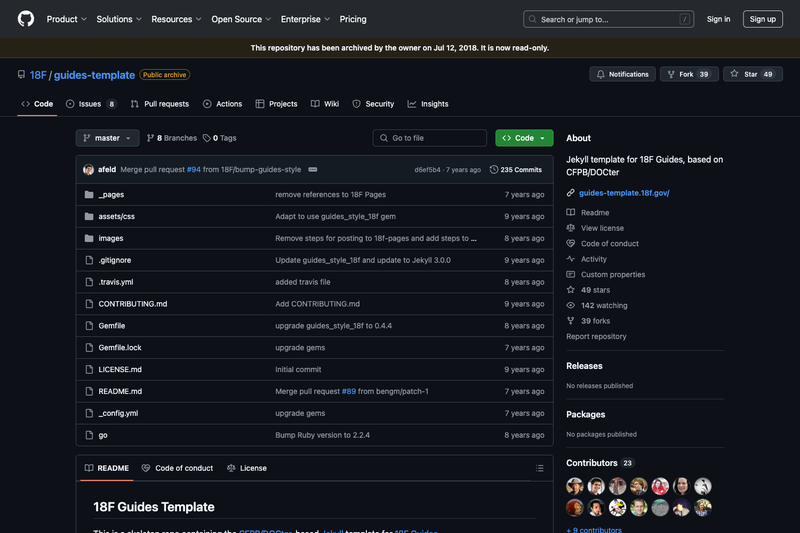
Jekyll template for 18F Guides, based on CFPB/DOCter, for publishing documentation guides.
Next.js + TypeScript + Tailwind CSS boilerplate with custom ESLint and Prettier configuration.
Opinionated front-end boilerplate with Next.js, testing, CI/CD, and database tooling preconfigured.
Smix is an open-source Eleventy starter kit by GitHub user hirusi that builds a standards-respecting static blog with IndieWeb support, dark mode, and SEO metadata out of the box. It accepts Markdown content and outputs a static HTML site with an Atom feed, sitemap, and microformats2 markup. The repository, which shows 119 stars, is considered complete by its author, and further improvements are expected via community pull requests.
Smix is a starter kit for Eleventy, the static site generator, designed for indie web developers who want a personal blog or portfolio without a heavy framework. As input it takes Markdown files for posts and pages; as output it produces a static site with an Atom feed, XML sitemap, and SEO meta tags. It uses PostCSS for CSS and esbuild for JavaScript bundling.
content-description meta tag for search and social snippets.robots.txt file.npm run dev:jsb) creates page-specific bundles.jsb command and the pageJavascript Eleventy block to include page-specific modules without affecting the global bundle.Smix is built with Eleventy, which processes Markdown files from the src directory and outputs static HTML to dist. To start, run the npm development scripts: npm run dev:js bundles the default index.js, and npm run dev:jsb --in=portfolio.js --out=portfolio.js bundles a page-specific script from src/assets/js/portfolio.js to dist/assets/js/portfolio.js. You include that script in a layout using the pageJavascript block. The CSS goes through PostCSS with the plugins listed above before being minified and purged.
Yes, Smix includes dark mode out of the box via PostCSS custom media queries. The styling uses a custom media query that can also respect prefers-reduced-motion for animations.
Smix supports four IndieWeb post types: Article, Note, Reply, and Photo. These are written in Markdown and appear automatically in both the h-feed and the Atom feed.
Not yet. The project's to-do list includes feed per tag, but as of now only a single global Atom feed is generated.
Yes. Run npm run dev:jsb --in=portfolio.js --out=portfolio.js to create a bundle, then include it in a layout using the pageJavascript block.