Newsletter
Join the Community
Subscribe to our newsletter for the latest news and updates

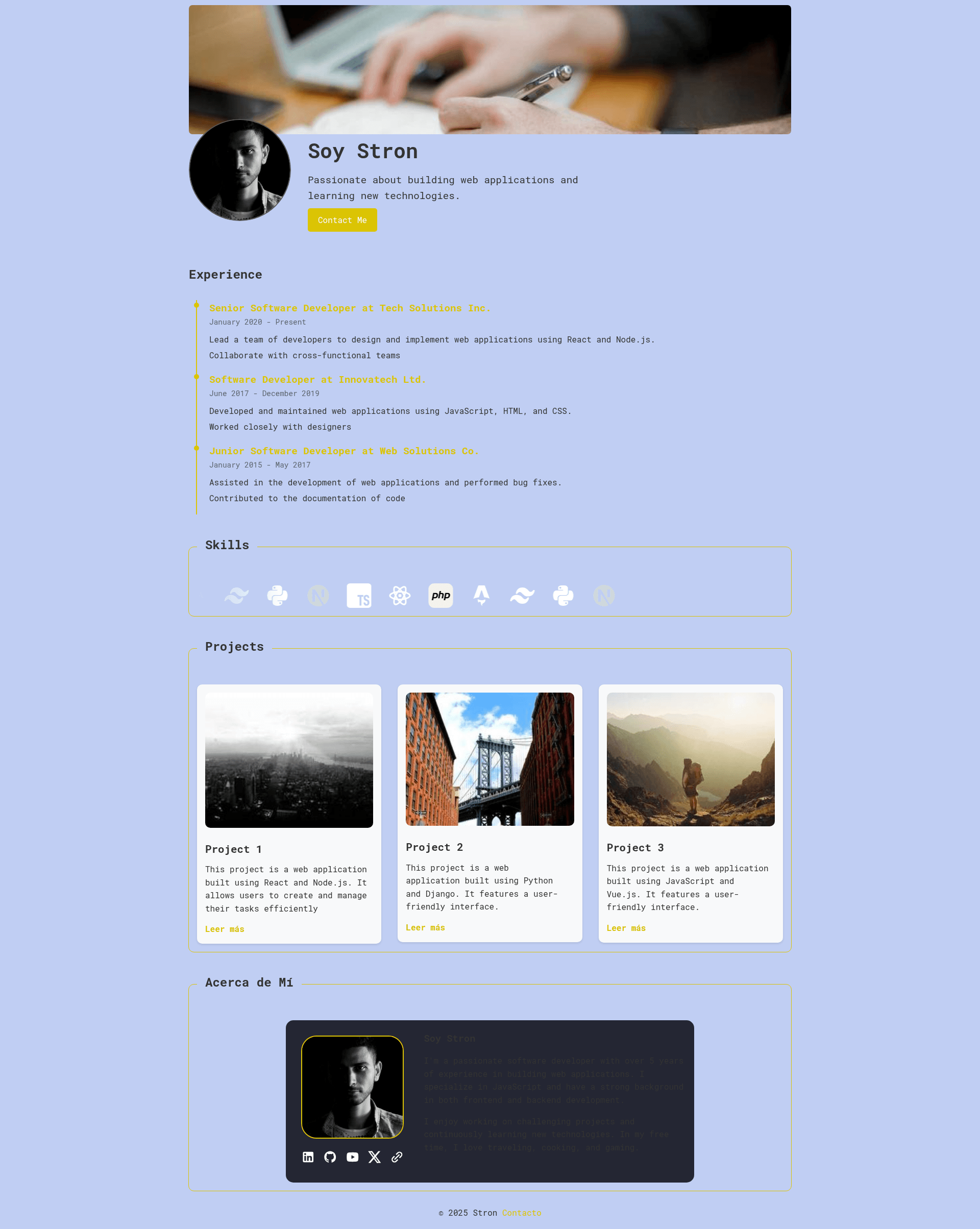
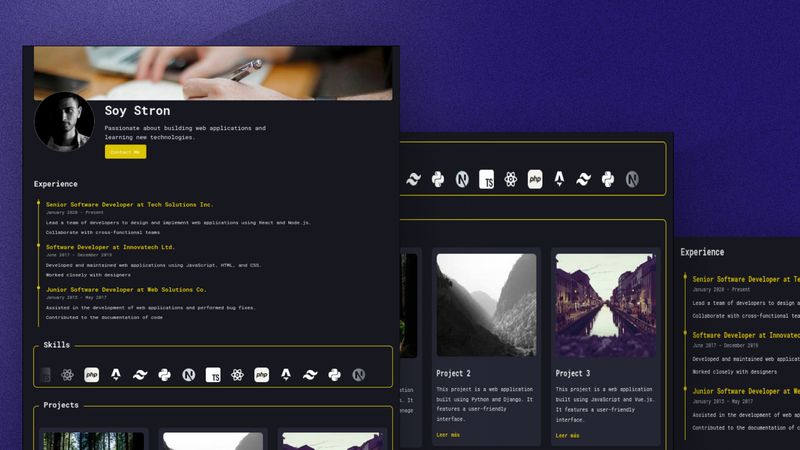
A minimal single-page personal portfolio template built with Astro 6.0.8, customizable through TypeScript data files.
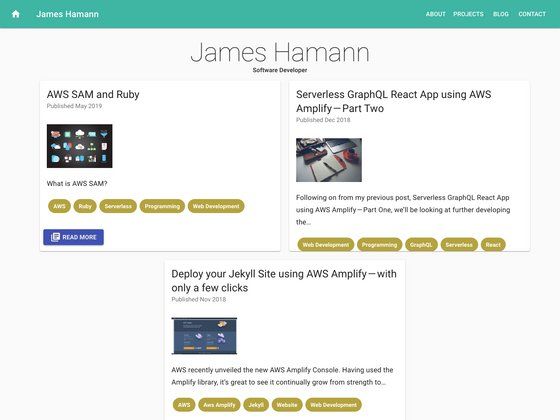
A Jekyll Theme based on Material Design using Materialize.

Free Bootstrap 4 HTML5 CV and resume template with 4 pages, drawer menu, and contact form UI.
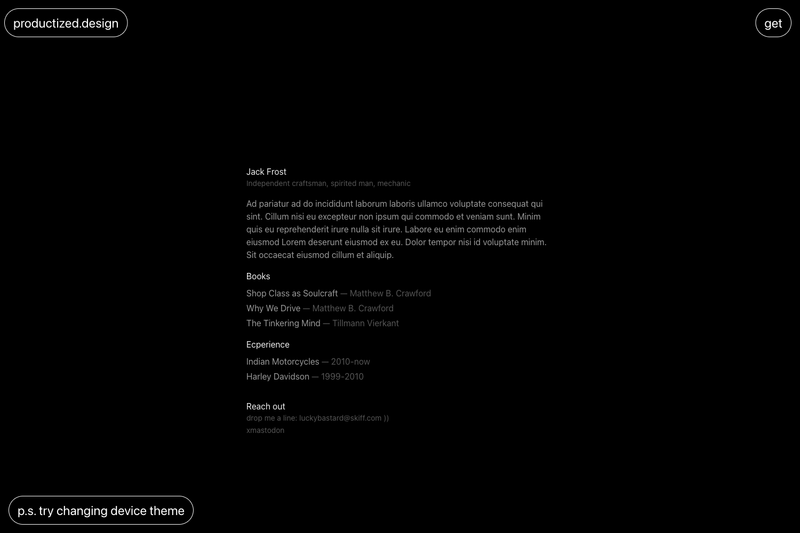
A single-page essentialist template for personal websites, built with Astro and Tailwind CSS.
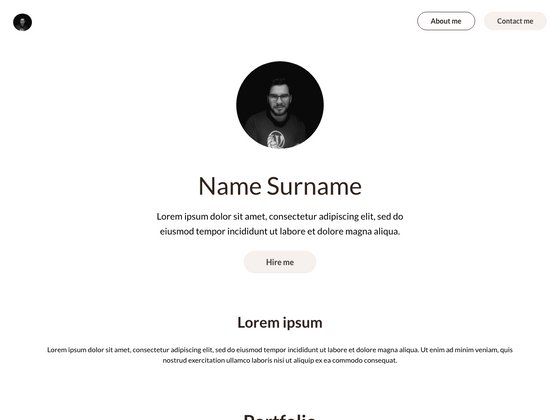
A barebones Gatsby starter for quickly creating a deployable portfolio website.
Astro Portfolio Template is a minimal, single-page personal portfolio site built on Astro 6.0.8, designed to be customized by editing TypeScript data files instead of component markup.
The Astro Portfolio template is a portfolio starter project created by GitHub user elstron that runs on the Astro static-site framework. It takes your personal data — name, profession, bio paragraphs, skills, work experience, projects, and social links — from TypeScript files in src/data and produces a single-page website with Hero, About, Experience, Projects, and Skills sections. The project is configured to run in server (SSR) mode by default, but can be switched to fully static output by changing one line in astro.config.mjs.
The README walks through a simple workflow: clone the repository, install dependencies with pnpm, and run pnpm dev to start a development server on port 4321. Content is edited in src/data, then imported by section components, which pass data to card components that render individual experiences and projects. The project includes Prettier for code formatting and uses Astro config from astro.config.mjs.
The template was built with Astro 6.0.8, as stated in the repository's technologies section.
Edit the TypeScript files under src/data. Each file exports typed arrays or objects — aboutMe.ts for personal details and contact, experience.ts for work history, projects.ts for project entries with images and tech stacks, and skills.ts for skill icons.
Yes. The default configuration is server (SSR) mode, but the README explains changing output from 'server' to 'static' in astro.config.mjs to generate a static site suitable for any static host.
The project uses pnpm — installation commands are listed as pnpm install, pnpm dev, pnpm build, and pnpm preview.
Yes, the repository is licensed under the ISC license, and the repository has 2 stars on GitHub.