Newsletter
Join the Community
Subscribe to our newsletter for the latest news and updates

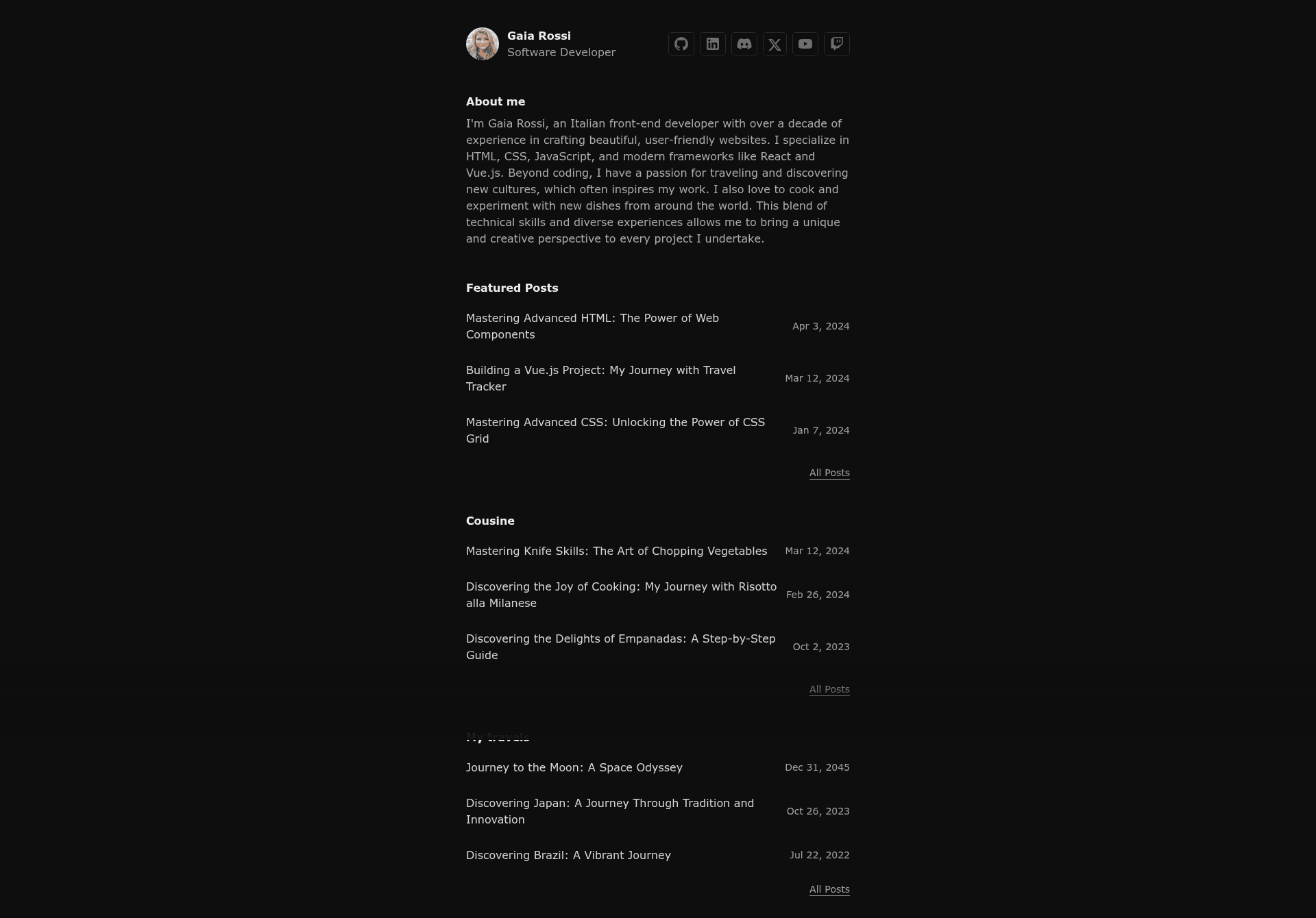
A single-author portfolio theme for Astro.js, mostly oriented to a software developer.
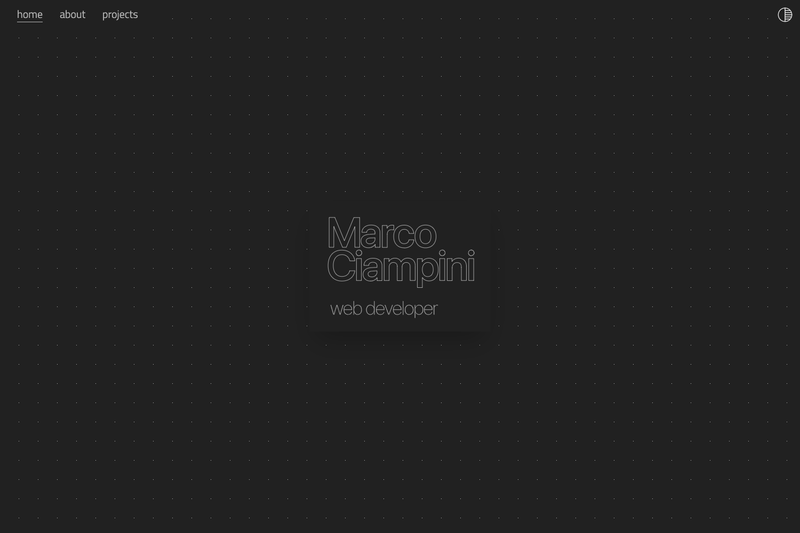
A Next.js personal portfolio website that pulls content from Contentful and deploys as a static site to Netlify.
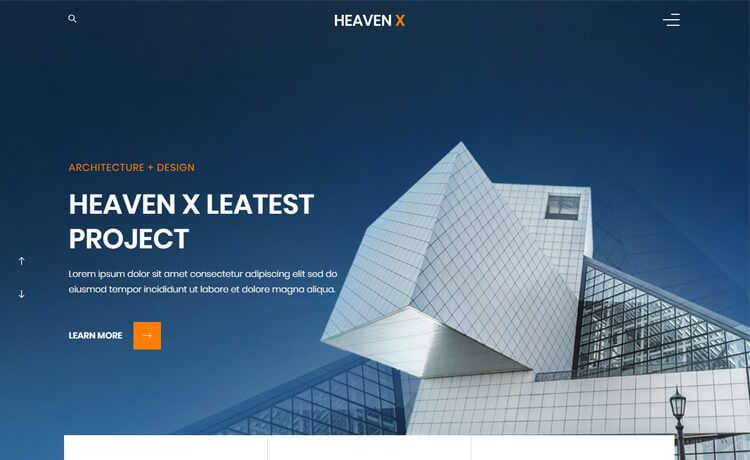
Free Bootstrap 4 HTML5 interior designing website template with a clean, minimal multi-page layout.
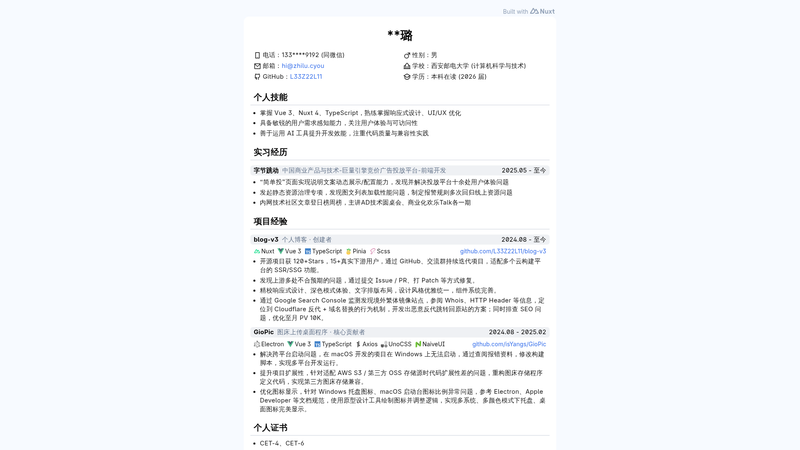
A Nuxt 4 personal resume template with PDF export, static deployment, and SCSS/UnoCSS styling.
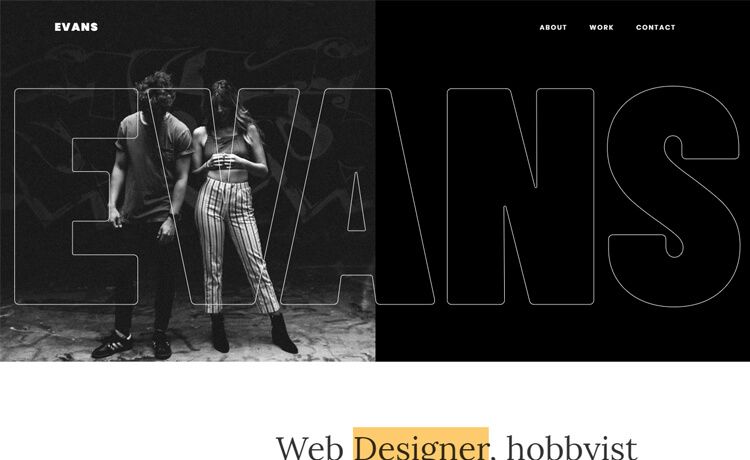
Free Bootstrap 4 HTML5 personal portfolio website template with hero header, sticky navigation, and multi-page layout.
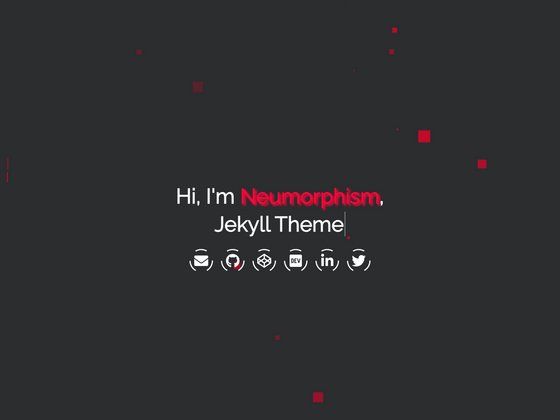
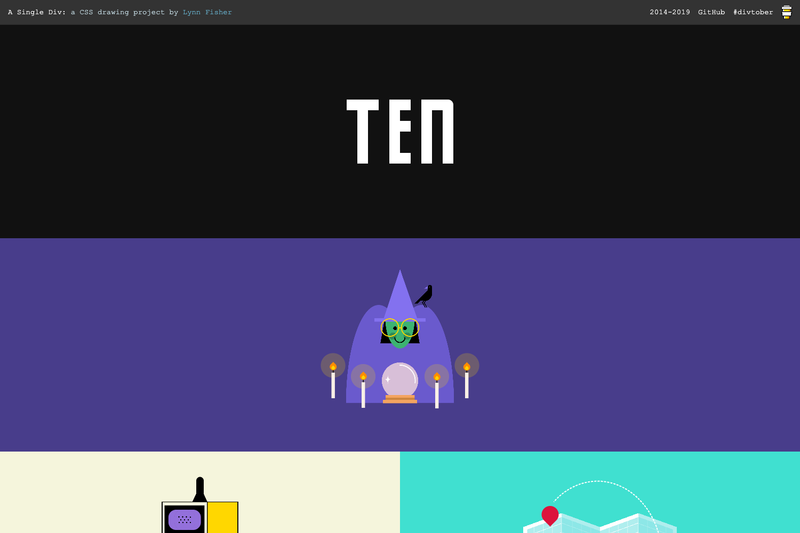
Neumorphism designed Jekyll theme for personal websites, portfolios and resumes.
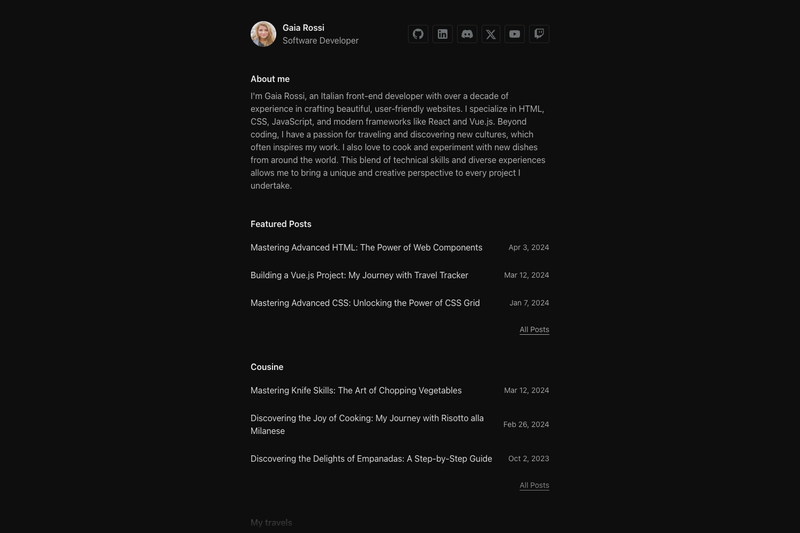
AstroGaia is a single-author portfolio theme for Astro.js, built with Tailwind CSS, ReactJS, and shadcn/ui, that generates a static portfolio site with a blog from Markdown and MDX content.
AstroGaia is a portfolio theme for Astro.js, available on GitHub under the repository danielecammarata/astro-gaia, and oriented primarily toward software developers. It takes Markdown and MDX files (as well as Astro components) in the src/pages/ and src/content/ directories and produces a static site with portfolio collection and blog post category support. The theme runs on any platform that supports Astro builds, including a one-click deployment option for Netlify.
getCollection() in Astro; frontmatter is type-checked with an optional schema.@astrojs/tailwind integration, configured in tailwind.config.mjs.@astrojs/react; the project structure includes a src/components/ directory for custom Astro, React, or shadcn/ui components.components.json config file present for component management.@astrojs/sitemap.npm check to run checks and npm write to fix issues.AstroGaia is designed for individual developers who want a personal portfolio and blog without building from scratch. Software developers can use it to showcase projects, write technical articles, and share code snippets. Freelancers and consultants can replace the demo content with their own work history and case studies to publish a professional site quickly. Tech bloggers who already write in Markdown or MDX can drop their posts into src/content/blog/ and get a categorized blog with minimal setup.
AstroGaia follows the standard Astro content structure: pages live in src/pages/ and become routes based on their filename, while Markdown and MDX posts are stored in src/content/ as collections. After cloning or using the Netlify deploy button, run npm install, then npm run dev to start the local server at localhost:4321. When ready, npm run build creates a production build in ./dist/, and npm run preview lets you test that build locally before deployment.
Yes, AstroGaia includes the @astrojs/mdx integration and supports both Markdown and MDX content in its content collections. Post frontmatter can be type-checked with a Schema, and the demo content in the repository is generated with ChatGPT.
AstroGaia uses Tailwind CSS through the @astrojs/tailwind integration, with the configuration in tailwind.config.mjs. It also includes shadcn/ui components and a components.json file, allowing you to add or customize shadcn/ui components in a React-friendly environment.
The repository includes a one-click "Deploy to Netlify" button that creates a new GitHub repository from the template and sets it up for immediate deployment on Netlify. Alternatively, you can build the site with npm run build and deploy the resulting ./dist/ folder to any static hosting service.
The theme provides standard Astro commands plus two Biome commands: npm run dev starts a development server at localhost:4321, npm run build generates the production site, npm run preview previews the build, npm check runs Biome linting and formatting checks, and npm write applies automatic fixes.
No, AstroGaia is explicitly a single-author portfolio theme. The project structure and content collections are designed for one author, and the theme's README states it is "mostly oriented to a software developer" rather than team-based publishing.