Newsletter
Join the Community
Subscribe to our newsletter for the latest news and updates

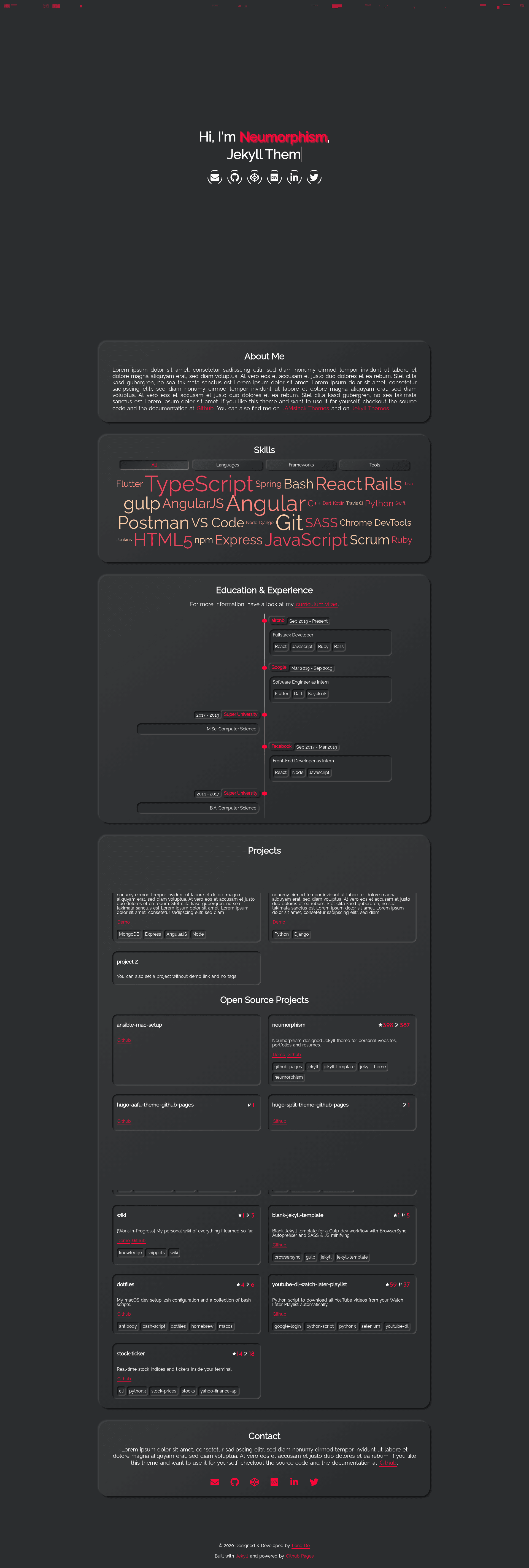
Neumorphism designed Jekyll theme for personal websites, portfolios and resumes.
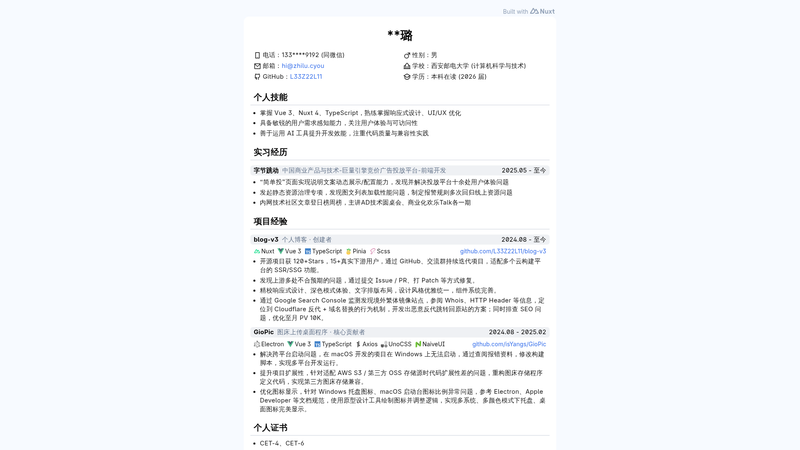
A Nuxt 4 personal resume template with PDF export, static deployment, and SCSS/UnoCSS styling.
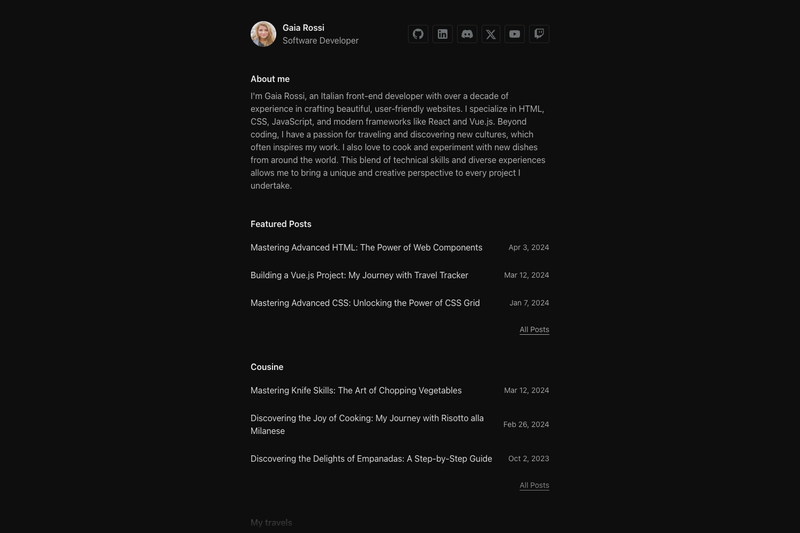
A single-author portfolio theme for Astro.js, mostly oriented to a software developer.
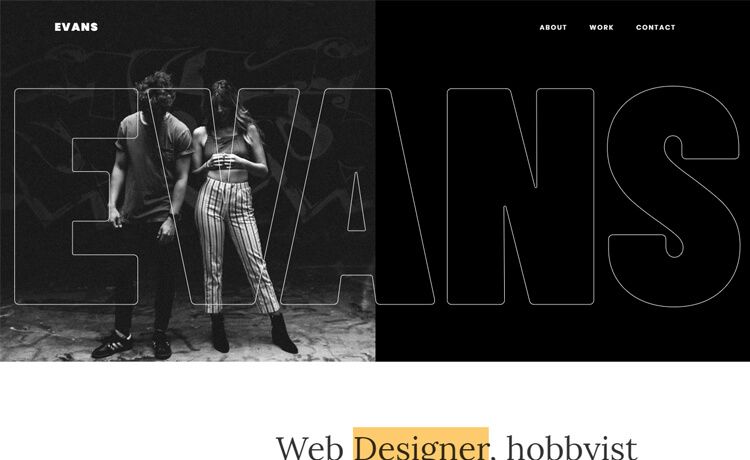
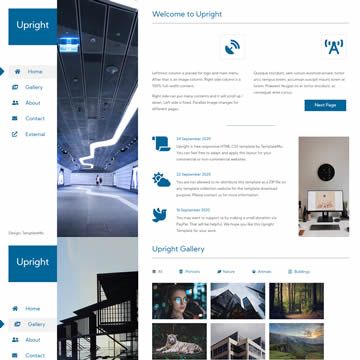
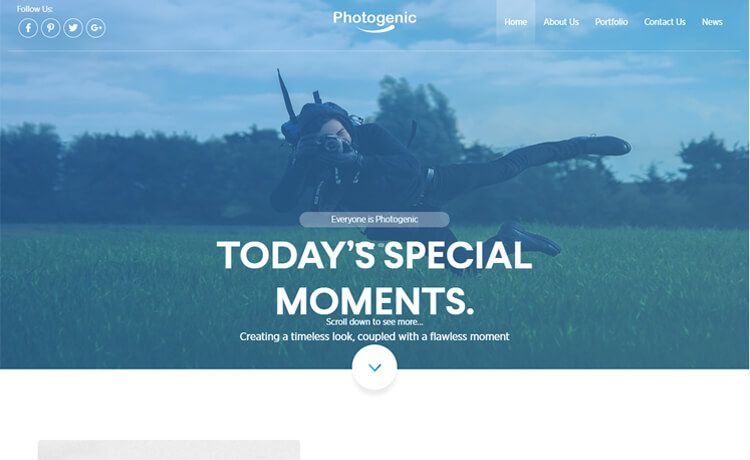
Free Bootstrap 4 HTML5 personal portfolio website template with hero header, sticky navigation, and multi-page layout.
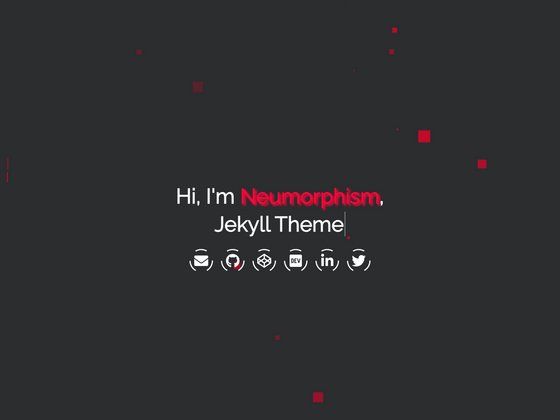
Neumorphism is a Jekyll theme for personal websites, portfolios, and resumes that applies the neumorphism design trend, developed with a mobile-first approach, and designed to be hosted on GitHub Pages.
Neumorphism is an open-source Jekyll theme created by longpdo, distributed under the MIT License, and featured on JAMstack Themes and Jekyll Themes. It takes a standard Jekyll configuration via _config.yml and YAML data files in _data, and produces a static personal portfolio site with a landing page, typing carousel, skills word cloud, and an automatically populated open source projects section. The theme is built with Jekyll only, runs locally with Gulp, and deploys through GitHub Pages.
assets/particles.json) behind a typing carousel and animated social media icons.public_repository scope.localhost:4000 with browser-sync live reload, autoprefixes CSS, and minifies JS and SCSS for production._config.yml._data/*.yml files to change the profile, experience timeline, skills, education, and social links without touching HTML.The setup flow is: fork or create a repository from the template, clone it locally, run yarn and bundle install to install dependencies, then launch gulp to serve the site at http://localhost:4000 with live reload. Personalization happens through _config.yml, the YAML files inside _data, and assets/particles.json for the background animation.
Yes. The theme is open source under the MIT License, so you can use, modify, and distribute it freely, including for commercial personal websites.
Only if you want the Open Source Projects section to automatically pull your repositories. You need to generate a personal access token with the public_repository scope, place it in a .env file as JEKYLL_GITHUB_TOKEN, and set repository in _config.yml.
Yes, the theme is designed for GitHub Pages. After pushing your content, the repository Settings page shows where your site is published.
Edit the assets/particles.json file. The options follow the particles.js configuration format documented on Vincent Garreau's particles.js GitHub repository.
You need NodeJS, Jekyll, and Yarn. On macOS you can install Node with Homebrew (brew install node), Jekyll with gem install bundler jekyll, and Yarn with npm install -g yarn.