Awesome Next.js is a GitHub-curated index of resources for the Next.js React framework, organizing articles, boilerplates, extensions, sample apps, books, videos, beginner projects, newsletters, and job listings into one navigable README. Created by Prosper Otemuyiwa (unicodeveloper), the repository has accumulated over 141,000 stars and 31,000 forks as of the listing's snapshot, reflecting its wide use as a starting point for developers researching Next.js.
What is Awesome Next.js?
Awesome Next.js is a manually curated "awesome list" hosted on GitHub under the CC0 license. It takes links to external Next.js resources—tutorials, GitHub repositories, YouTube courses, books, and paid job boards—and groups them into ten content sections, each with a clickable anchor link in the table of contents. The output is a single markdown file that any developer can browse or contribute to via pull request, following the contributing guidelines linked in the README.
Key Features
- Community hub — Links to the official Next.js GitHub repository, GitHub Discussions, and the Vercel Community, providing a direct path into maintainer conversations.
- Boilerplate collection — Over 30 starter kits, including Next.js Enterprise (Tailwind CSS, RadixUI, TypeScript), superplate (35+ plugin support), and next-pwa for progressive web apps, each listed with its star count and stack.
- Extension directory — Curated plugins and libraries such as Next SEO (8.5k stars), next-auth (28k stars), next-pwa, next-sitemap, and next-i18next, covering SEO, authentication, offline support, sitemaps, and translations.
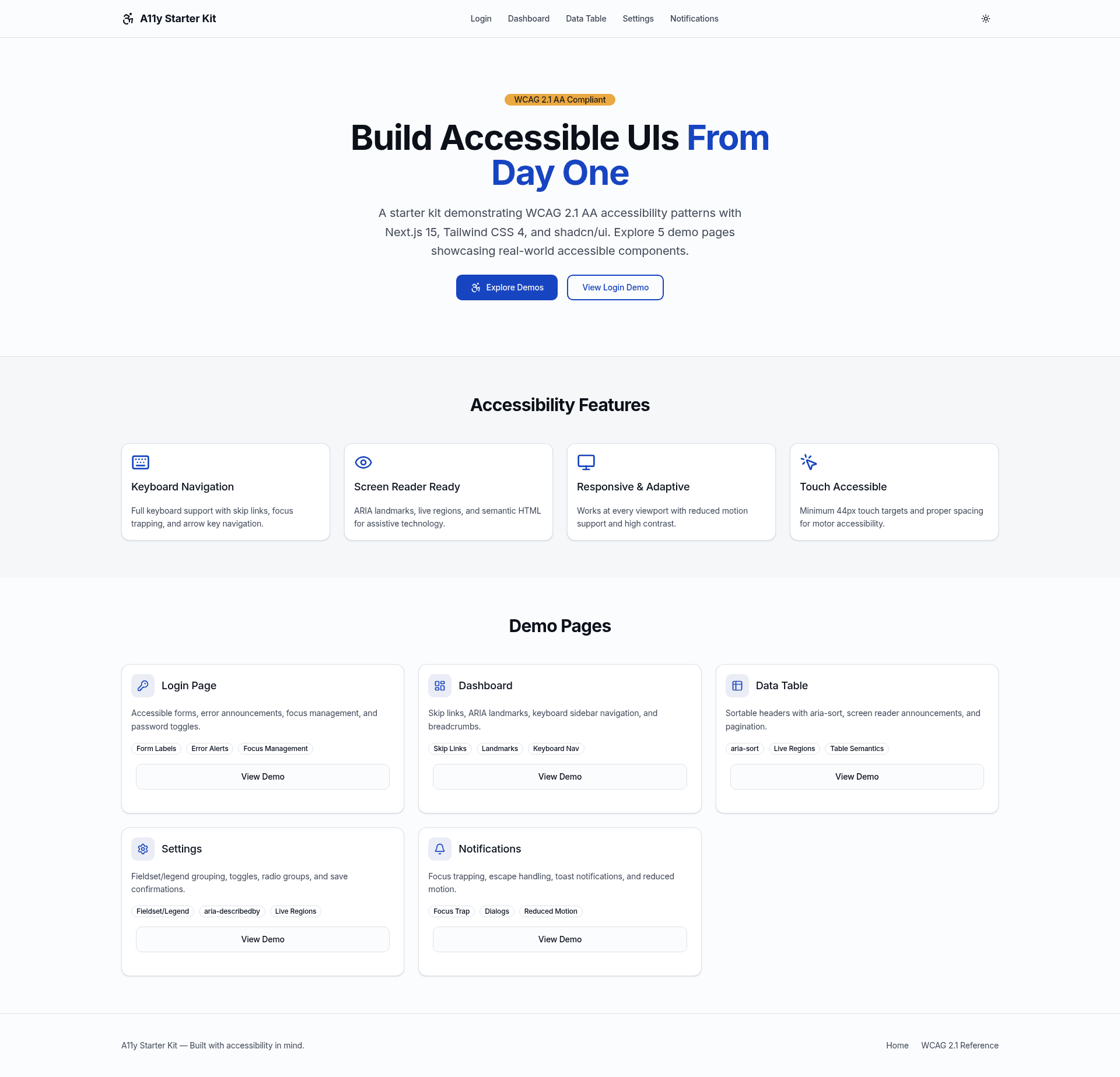
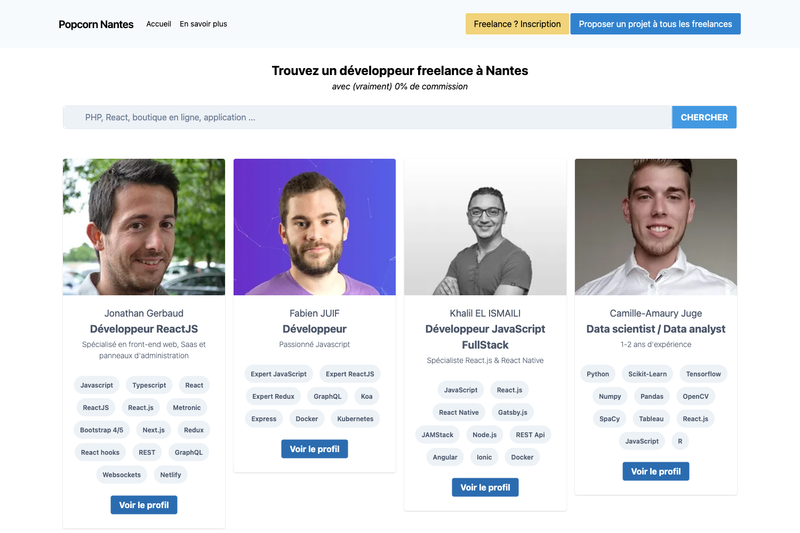
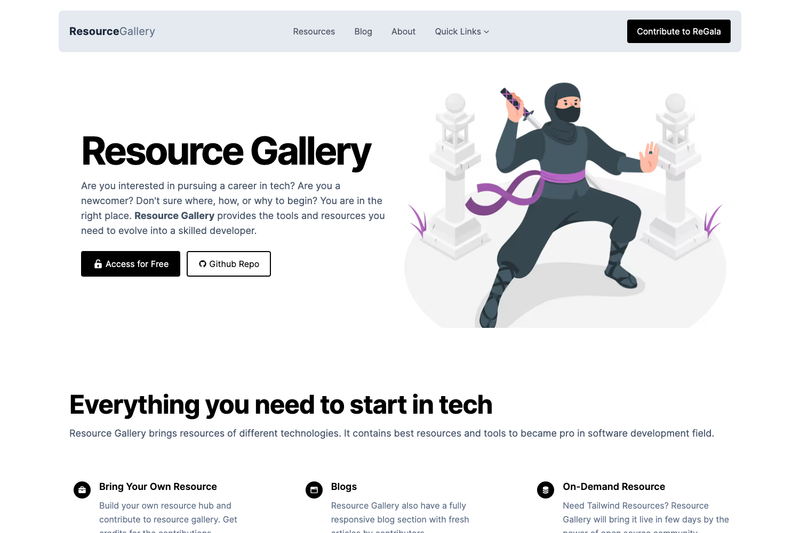
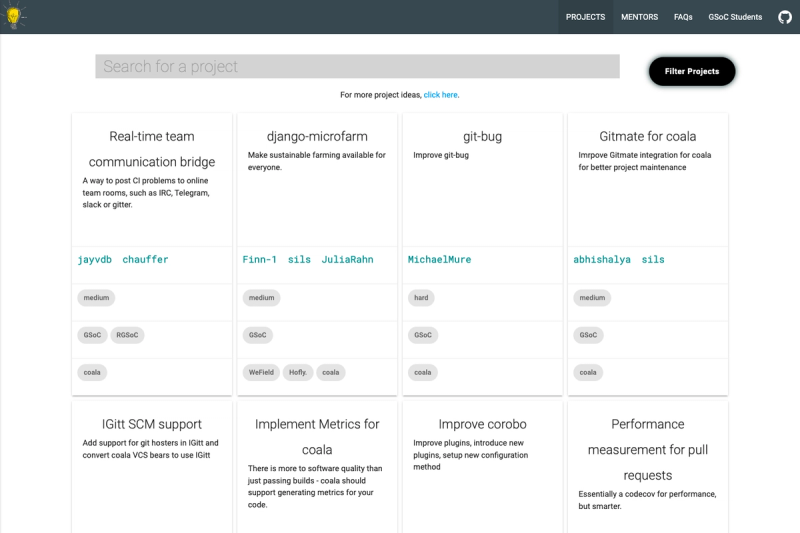
- Real-world app gallery — Showcases production sites and open-source apps built with Next.js, including shadcn/ui (120k+ stars), Taxonomy, TikTok's homepage, Elton John's website, and NPM's search page.
- Learning and job resources — Sections for books, video courses, beginner-level project tutorials, and a Next.js developer jobs board, updated daily.
Who is it for?
- Frontend developers evaluating Next.js — browse annotated boilerplates and extensions to compare tooling before starting a project.
- Self-taught learners — jump from the "Essentials" links (Next.js Learn, Blog, Vercel TV) to video crash courses and beginner project walkthroughs like the Netflix or Airbnb clones.
- Open-source contributors — use the repository as a funnel to discover Next.js-based projects needing contributions, or add their own resource via a pull request.
What can you do with it?
- Scaffold a new project: pick a boilerplate like the Next.js + Strapi Portfolio Starter to get a portfolio with XML sitemaps and OpenGraph metadata preconfigured.
- Kick-start your blog: use the Next.js Static Blog (Cosmic CMS) or Next.js and Netlify Blogging Template to publish with tagging, CMS, and shortcodes.
- Add auth and monetization: find extensions like next-auth or next-iron-session for authentication, and the NextJS Chargebee Subscription starter for SaaS subscriptions driven by Prisma ORM.
How does it work?
The repository is a single markdown file with a table of contents at the top. Readers click anchor links to jump between sections, and external links open the curated resources. Contributors fork the repo, append a new entry in the appropriate section following the contributing guidelines, and submit a pull request.
Pricing
Free to use — the list is open source and licensed under CC0, so anyone can bookmark, copy, or redistribute it.
FAQ
Is Awesome Next.js free?
Yes, the repository is open source and licensed under CC0 (public domain dedication). All listed resources link to their own sites, many of which offer free content, while books and courses may be paid.
Who maintains Awesome Next.js?
Prosper Otemuyiwa (GitHub username unicodeveloper) created and maintains the list, with contributions accepted through pull requests following the contributing guidelines in the repository.
What types of resources are included?
The list covers ten categories: community channels, essential starter links, articles, boilerplates, extensions, example apps, books, videos, beginner projects, newsletters, and job listings related to Next.js.