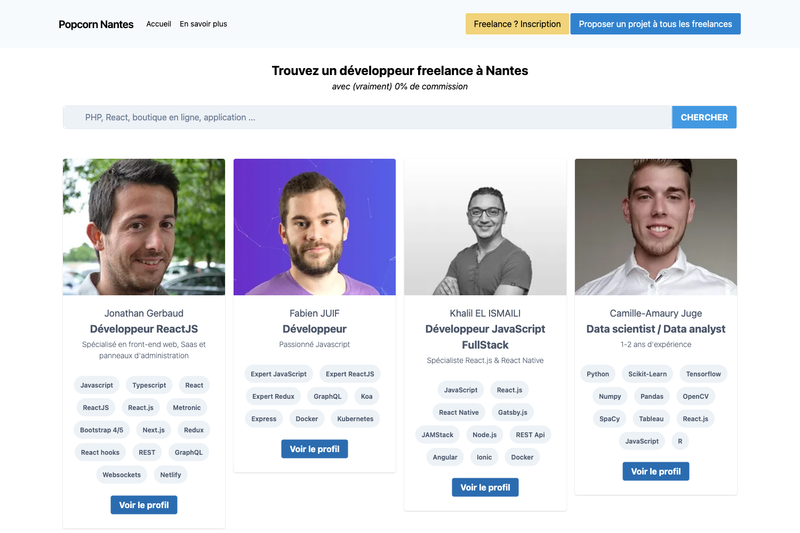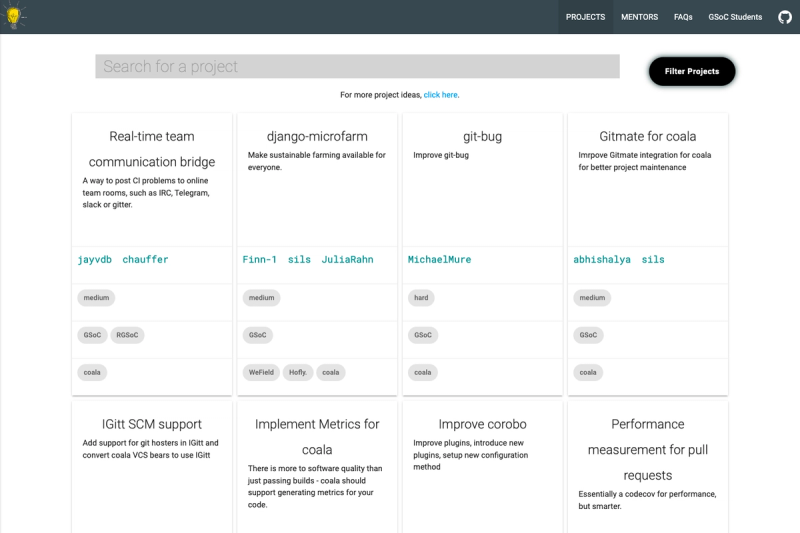
Resource Gallery is an open-source Astro directory template that presents a curated gallery of software development tools and resources in a single-page website.
What is Resource Gallery?
Resource Gallery is a free, open-source project maintained by the ZeroOctave organization on GitHub. It functions as a directory website where developers can discover tools, tutorials, and other resources related to software development. The site is built with the Astro framework, styled with Tailwind CSS, and deployed live on Cloudflare Pages at resourcegallery.live. Input comes from community contributions submitted as GitHub pull requests, and the output is a browsable resource gallery with a clean, responsive interface.
Key Features
- Built with Astro and Tailwind CSS — Tailwind is already configured in the repository, so you can start using utility classes immediately without any additional setup.
- Deployed on Cloudflare Pages — the live site runs on Cloudflare's edge network, and the repo can be connected to Pages for continuous deployment.
- Open-source contribution flow — resources are added through GitHub pull requests; the README details forking, fetching upstream, branching, staging specific files, and submitting PRs.
- Beginner-friendly project structure — uses the standard Astro layout with public/, src/components/, src/layouts/, and src/pages/, making navigation and extension straightforward.
- Multiple package managers — installation, development, build, and preview commands are provided for npm, yarn, and pnpm, with pnpm recommended to save disk space.
- Community recognition — contributors with merged PRs can claim an official Astro contributor badge from astro.badg.es.
- Performance monitoring — a PageSpeed score badge links to a live mobile performance analysis of resourcegallery.live.
- Based on the Astroship starter — the project credits Astroship by Web3Templates as its foundation.
Who is it for?
- Aspiring developers who want a single place to find tools, tutorials, and resources for learning software development.
- Open-source contributors looking for a beginner-friendly repository to practice Git workflows such as branching, staging, and pull requests while improving a public resource directory.
- Astro learners who want a real-world Astro plus Tailwind project to study, customize, or deploy as their own resource gallery.
What can you do with Resource Gallery?
- Resource hunters: browse the live gallery to discover community-vetted development links and resources without needing to search across multiple sites.
- Contributors: add a new resource by cloning the repo, installing dependencies with pnpm, creating a branch, staging only the files you changed, and opening a pull request for review.
- Site owners: fork the repository and customize it to launch your own curated development directory, since the project is fully open source and deployable to Cloudflare Pages.
How does Resource Gallery work?
The README walks you through a complete local development workflow: clone the repository with git clone https://github.com/ZeroOctave/resource-gallery.git ., install dependencies with npm install or pnpm install, then run npm run dev to start the development server. Production builds use npm run build and previews use npm run preview. To contribute, fetch the latest upstream changes, create a new branch, make your edits, stage only specific files (never package.json), commit, push, and open a pull request. The project uses the standard Astro file structure where .astro and .md files under src/pages become routes, and static assets live in public/.
Pricing
Resource Gallery is completely free and open source. The repository is public on GitHub, and the README shows no paid tiers, licensing fees, or premium features. Anyone can clone, modify, or deploy it.
FAQ
Is Resource Gallery free to use?
Yes. The project is open source under the ZeroOctave organization on GitHub, and the README presents it as free to clone, run locally, and deploy. There is no mention of any paid plans, licenses, or premium features.
How do I add a resource to the gallery?
Fork and clone the repository, install dependencies with pnpm (recommended), sync your fork with the upstream main branch, create a new branch, make your changes, stage only the specific files you edited (never run git add .), commit, push, and open a pull request. After a successful merge, you can claim an Astro badge from astro.badg.es.
What tech stack does Resource Gallery use?
The site is built with the Astro framework and uses Tailwind CSS for styling, with Tailwind already configured in the project. It is deployed on Cloudflare Pages, and the repository includes the standard Astro folder structure: public/, src/components/, src/layouts/, and src/pages/.
Which package managers work with Resource Gallery?
The README provides commands for npm, yarn, and pnpm. The project explicitly recommends pnpm because it saves disk space compared to the other package managers.
What is the Astro badge mentioned in the README?
Contributors who get a pull request merged into Resource Gallery can earn an official Astro contributor badge from astro.badg.es. The README links to that site so contributors can claim their badge after their PR is accepted.