Newsletter
Join the Community
Subscribe to our newsletter for the latest news and updates

React admin dashboard template with genezio serverless backend, deployable with one command.
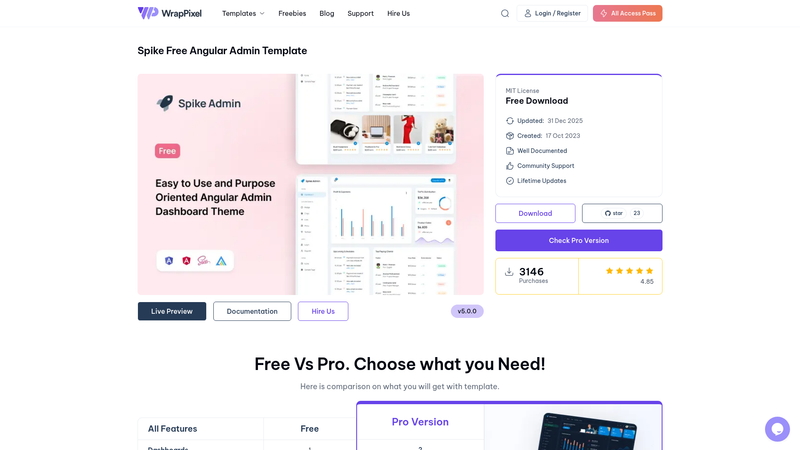
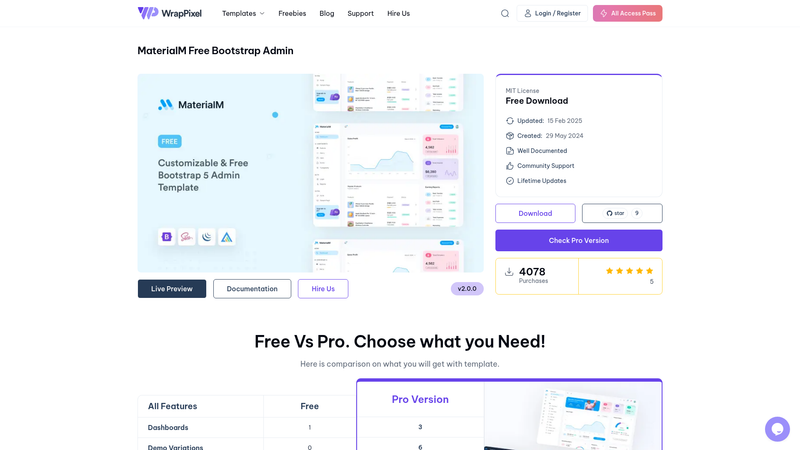
Free Angular admin template built with Angular Material and ApexCharts, fully responsive and open-source for building dashboards.
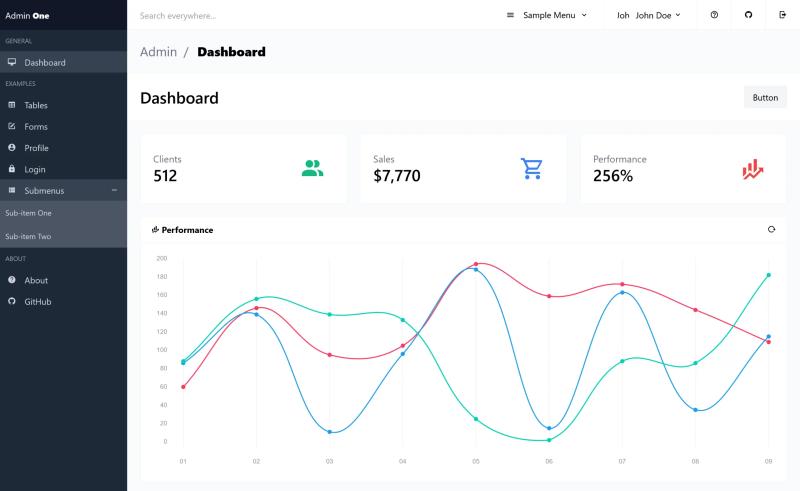
Free Tailwind CSS admin dashboard template with dark sidebar, multipage layout, tables, forms, and login page.
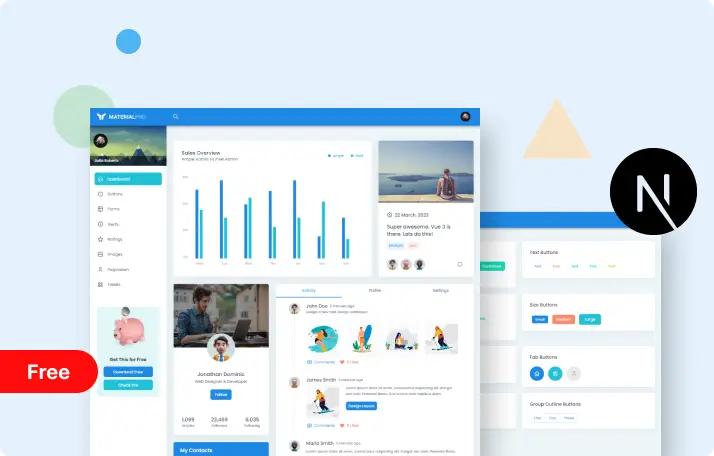
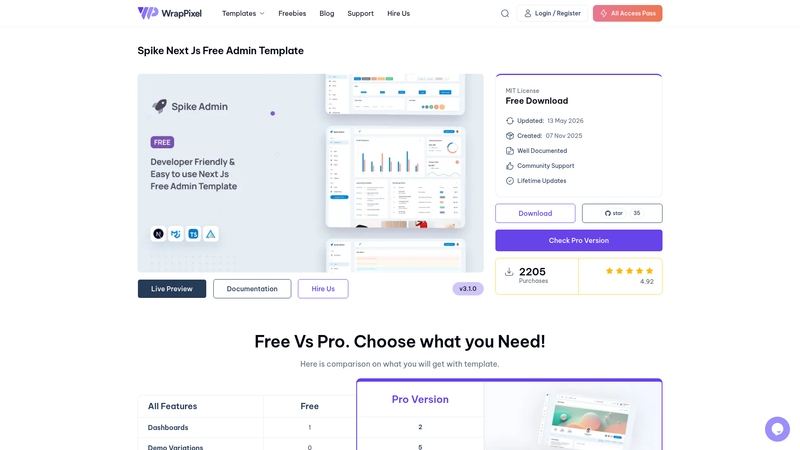
Free Next.js admin dashboard template built with Material UI and TypeScript, featuring pre-designed pages, ApexCharts, and responsive layout.
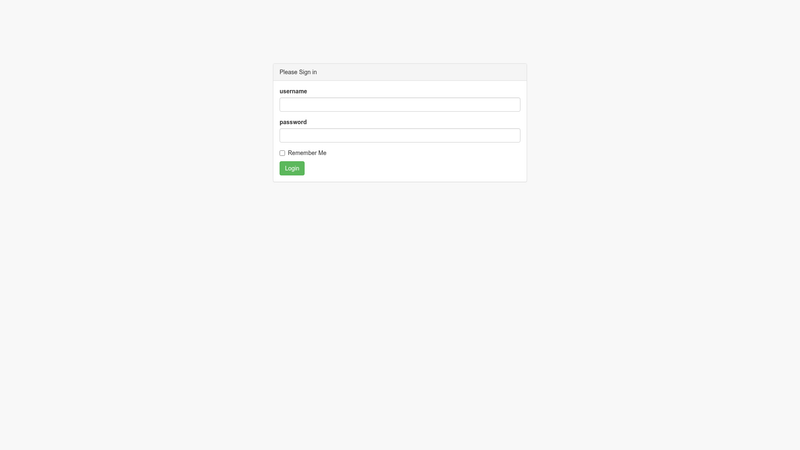
An Admin panel written in core PHP with CRUD, filters and pagination.
Black Dashboard React x genezio is a full-stack serverless admin dashboard template that pairs Creative Tim's Black Dashboard React frontend with a genezio-managed backend, letting you deploy a data-driven dashboard and its API with a single command. The frontend is a React single-page application built with create-react-app, styled with Bootstrap 4 and Reactstrap, and the backend is a set of genezio-deployed classes that generate JavaScript SDKs automatically.
This template combines the Black Dashboard React admin UI with genezio's serverless platform. The frontend is a React (create-react-app) app using Bootstrap 4, Reactstrap, and Chart.js, with over 16 components and pages like Dashboard, User Profile, Tables, Map, Notifications, Login, Register, and RTL. The backend consists of genezio classes (user, product, order, task, article) and dozens of data models, with generated SDK files in the frontend that let the React app call serverless functions remotely. It is maintained by Creative Tim and is available under the MIT license.
genezio deploy --env backend/.env after installing the CLI.The template is deployed through genezio's serverless platform. You create a genezio account and install the genezio CLI globally, then clone the repository and run genezio deploy --env backend/.env. The CLI reads the backend genezio.yaml, deploys the classes, and generates SDK files that the React frontend imports. The README also provides a one-click deploy button and a live demo.
The template source code is licensed under MIT (Copyright 2022 Creative Tim), so it is free to use and modify. Deployment uses the genezio platform, which requires creating an account; genezio's pricing is not stated on this page.
The backend/models folder contains more than 20 model files, including users, products, orders, clients, employees, hotels, rooms, songs, playlists, tasks, reviews, and more. The backend classes (user.js, product.js, order.js, task.js, article.js) define the API endpoints for these models.
The project officially aims to support the last two versions of Chrome, Firefox, Edge, Safari, and Opera, as listed in the Browser Support section of the README.
Two ways: click the Deploy to Genezio button on the GitHub README, or follow the quick start steps — install the genezio CLI, login, clone the repository, and run genezio deploy --env backend/.env. After deployment, you can test the project in the genezio dashboard.
Yes. The Auth layout includes Login and Register pages, and the backend includes a user class with authentication middleware (backend/middleware/reqAuth.js) and an activeSession model for managing sessions.