Newsletter
Join the Community
Subscribe to our newsletter for the latest news and updates

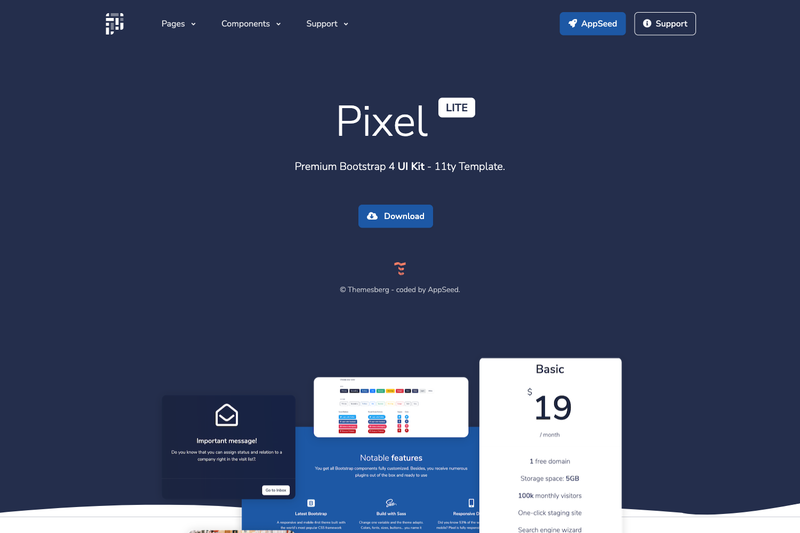
Eleventy (11ty) starter with Pixel Lite UI, Sass, Webpack, and Netlify deployment.
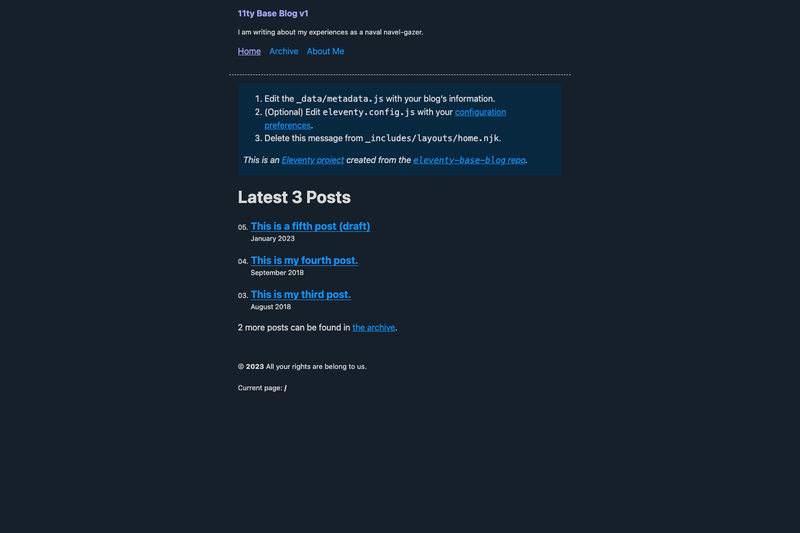
Build a Blog from Scratch with Eleventy
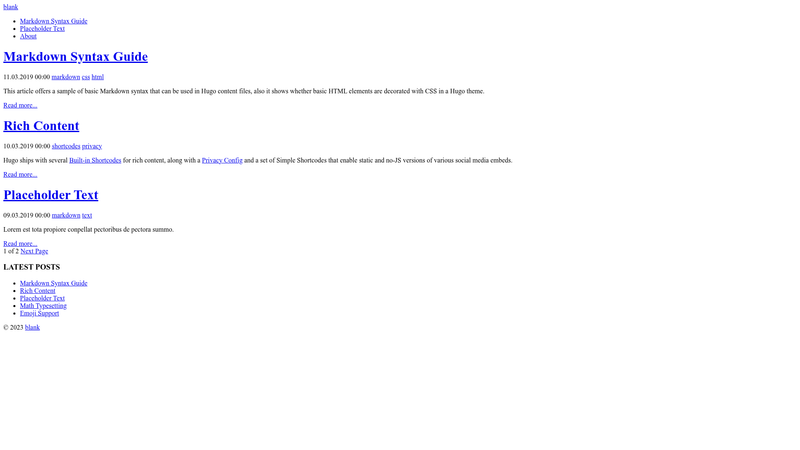
Starter Hugo theme for developers to build custom themes from.
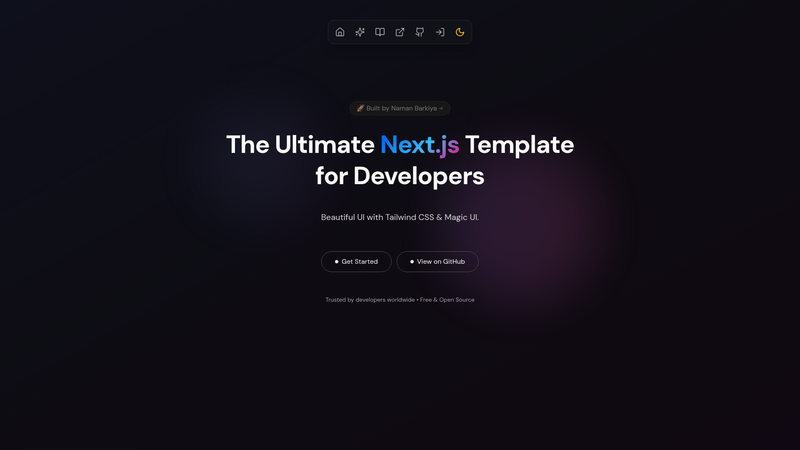
A free, open-source Next.js 15 SaaS starter template with Supabase auth, Tailwind CSS 4, and a prebuilt dashboard.
Starter kit for React with Redux and Material UI in TypeScript, with dynamic redux modules and nested routes.
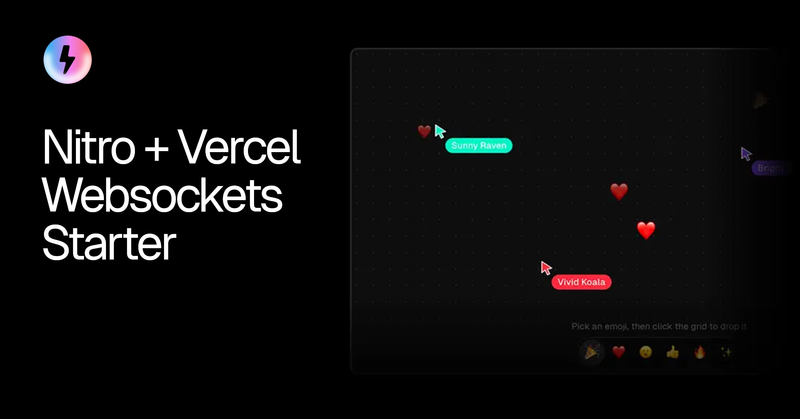
Realtime live cursors, presence, and emoji reactions over a WebSocket, built with Nitro v3, React, and shadcn/ui.
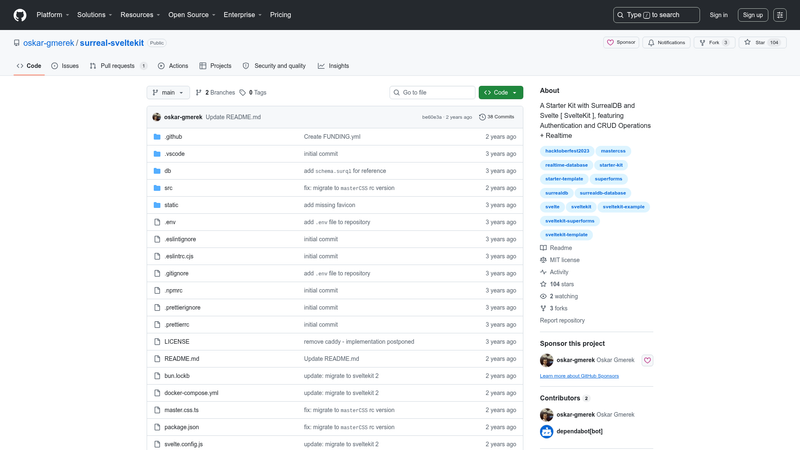
A SvelteKit starter kit with SurrealDB, authentication, CRUD operations, and realtime data sync.
Boilerplate Code 11ty is an open-source Eleventy (11ty) static site starter from AppSeed that combines a pre-built Pixel Lite UI kit with a complete build pipeline for Sass, JavaScript, and SVG icons. It outputs a minified static site ready for deployment to Netlify.
Boilerplate Code 11ty is an Eleventy seed project created by AppSeed. It takes content written in Nunjucks templates and Markdown as input and generates static HTML files, styled with the Pixel Lite UI Kit by Themesberg. The project runs on Node.js and includes everything needed to develop locally and deploy to Netlify, making it a ready-to-use foundation for any static website.
src/ folder structure.src/static/assets/styles/main.scss is compiled, optimized, and minified to dist/static/assets/styles/main.css.src/static/assets/scripts/main.js is transpiled to ES5 with Babel, bundled, and minified for production output to dist/static/assets/scripts/main.js.src/static/assets/icons is combined into a symbol sprite and can be referenced by filename.critical package, improving first paint.netlify.toml and a one-click deploy button that forks the repository and connects it to Netlify.src/ with your own Nunjucks or Markdown, customise the supplied index.html and component pages, then build and ship.base.html and base-fullscreen.html layouts provide a consistent shell with navigation and sidebar, so you can focus on adding data-driven views.netlify.toml handles the build settings automatically.Clone the repository from GitHub, install the dependencies with npm install, and start the development server with npm start. The project is served at http://127.0.0.1:8080/ by default. For production, run npm build to generate the static site in the dist/ directory. All source files live in src/, while utils/ holds JavaScript helpers and .eleventy.js contains the Eleventy configuration.
The boilerplate is an open-source Eleventy starter published on GitHub by AppSeed, and it uses the free version of the Pixel Lite UI Kit from Themesberg. You can clone, fork, and deploy it without paying a license fee.
Clone the repository, run npm install, then npm start to launch the local dev server. When you are ready to ship, run npm build to generate the minified static site in dist/.
Write your styles in src/static/assets/styles/main.scss. The project compiles this SCSS with Sass, runs it through asset optimization, and outputs the minified CSS to dist/static/assets/styles/main.css.
Yes. The repository includes a netlify.toml configuration and a one-click deploy button. Clicking the button creates a fork of the repo on your GitHub account and sets up a Netlify site linked to it.
Add your ES6 code to src/static/assets/scripts/main.js. Webpack bundles the file, Babel transpiles it to ES5 for older browsers, and the production build minifies and outputs it to dist/static/assets/scripts/main.js.