Newsletter
Join the Community
Subscribe to our newsletter for the latest news and updates

Starter kit for React with Redux and Material UI in TypeScript, with dynamic redux modules and nested routes.
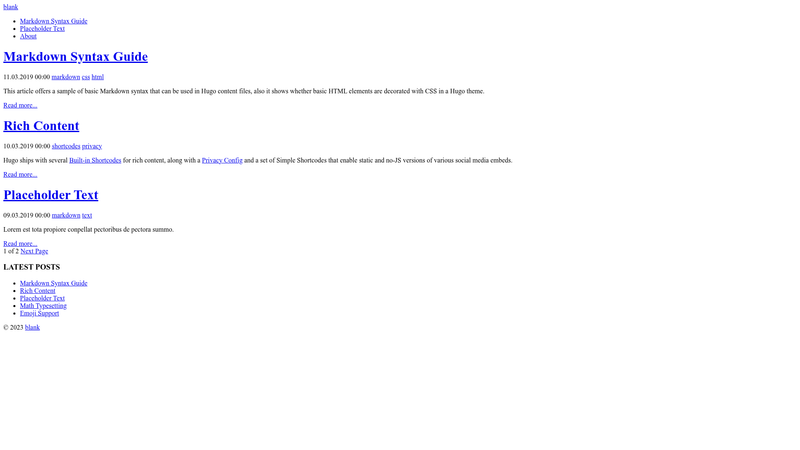
Starter Hugo theme for developers to build custom themes from.
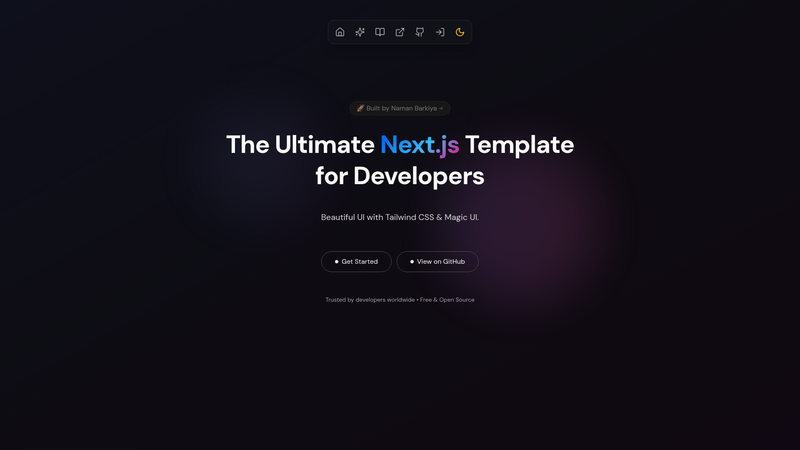
A free, open-source Next.js 15 SaaS starter template with Supabase auth, Tailwind CSS 4, and a prebuilt dashboard.
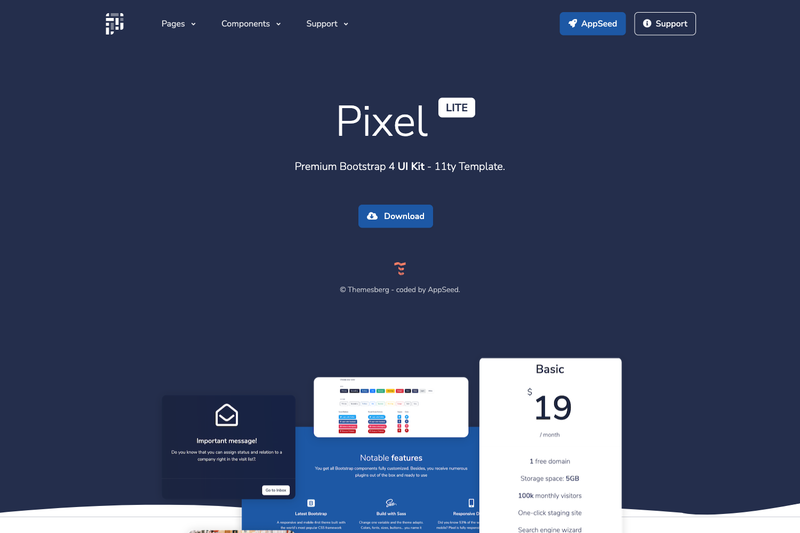
Eleventy (11ty) starter with Pixel Lite UI, Sass, Webpack, and Netlify deployment.
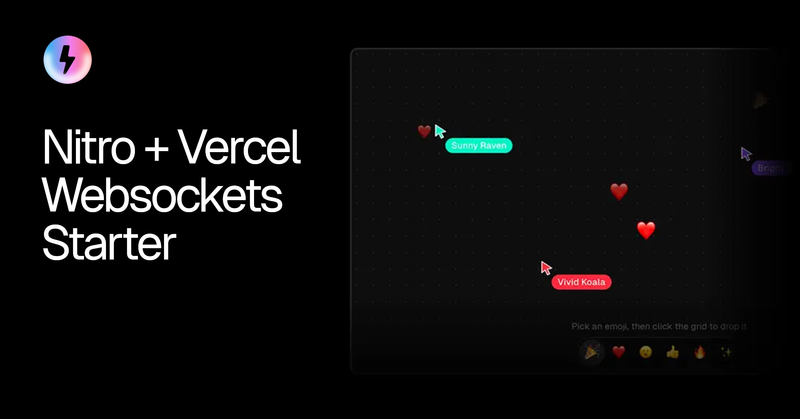
Realtime live cursors, presence, and emoji reactions over a WebSocket, built with Nitro v3, React, and shadcn/ui.
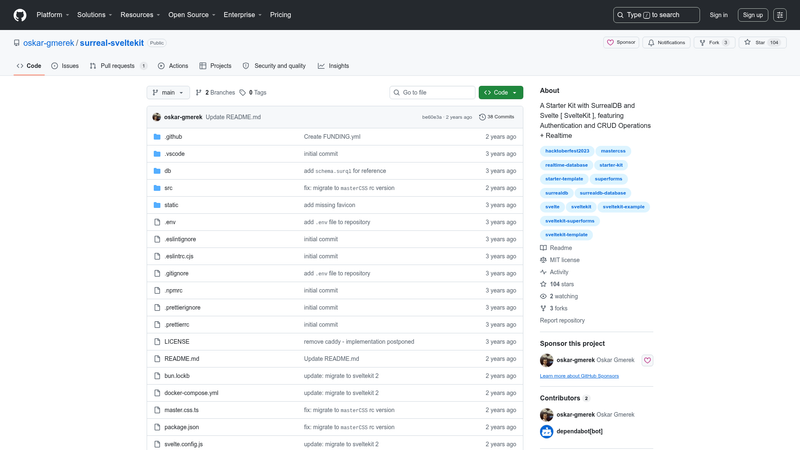
A SvelteKit starter kit with SurrealDB, authentication, CRUD operations, and realtime data sync.
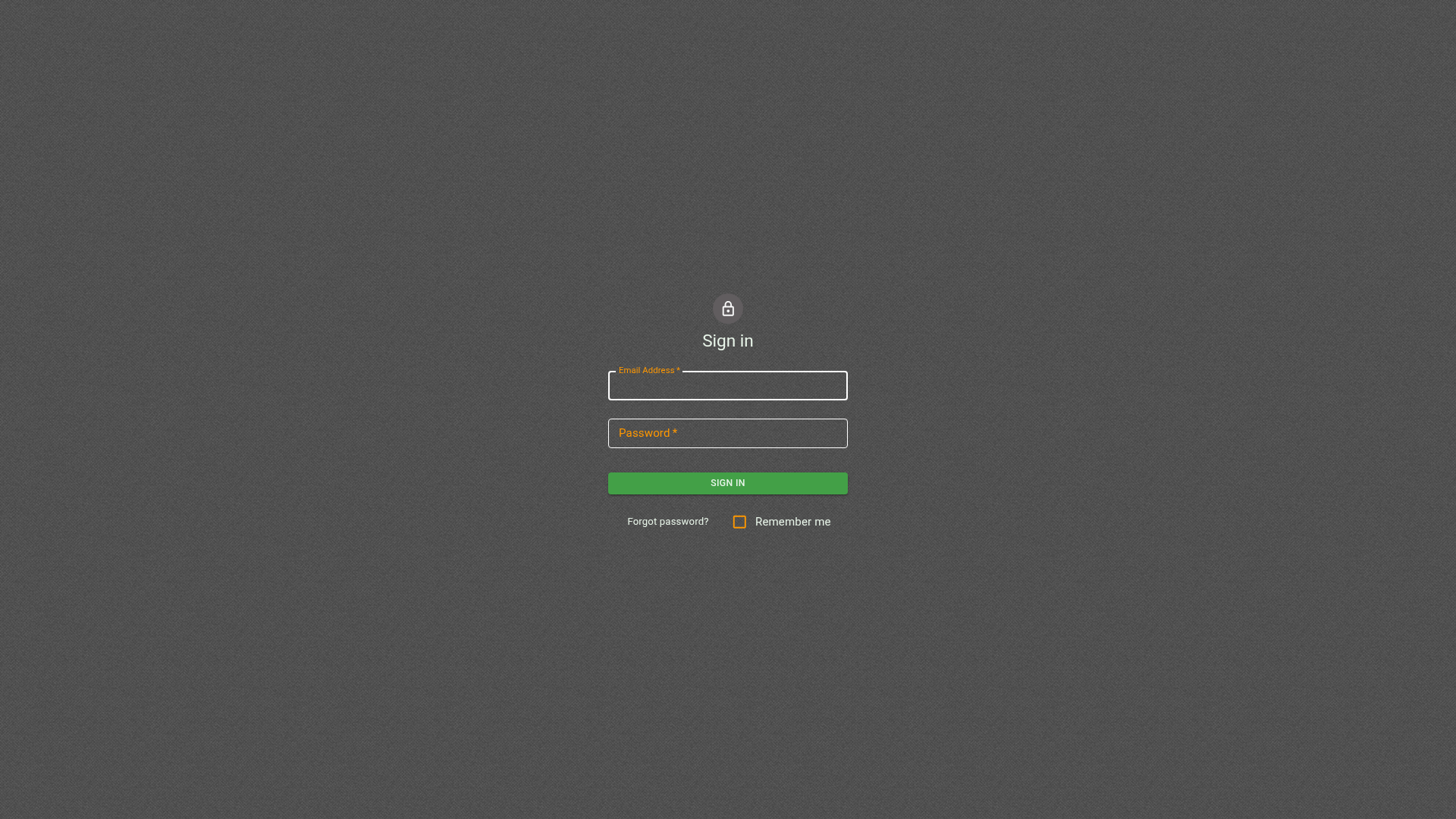
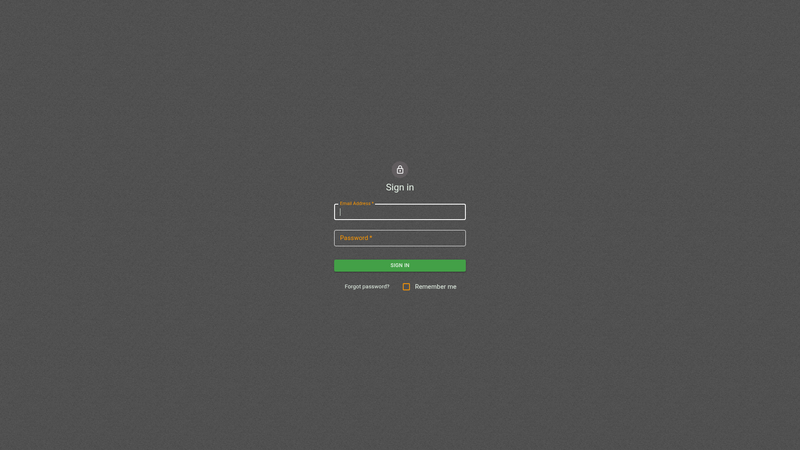
react-redux-typescript-starter-kit is a GitHub boilerplate that bootstraps a React application with Redux state management, TypeScript static checking, Material UI components, and nested public/private routes using Create React App.
This starter kit is a pre-configured React project that combines Redux for state management, Redux-Saga for side effects, TypeScript for static typing, Material UI for styling, and React Router for navigation. It is bootstrapped with Create React App and includes a sample demo page hosted at https://jeevasusej.github.io/react-redux-typescript-starter-kit/. The project is authored by jeevasusej and published on GitHub, and it defines a feature-based folder structure where each feature module contains its own actions, APIs, components, containers, reducers, sagas, types, and styles.
The repository is structured around a shared configuration in shared/config, containing configureStore.ts for store setup, rootModule.ts as the root redux-dynamic-module, theme.ts for Material UI customization, and types.ts for root TypeScript types. Each feature module under the feature folder can be added with its own reducers, sagas, and containers, and the routes reference layout components shared between Home and Landing. The included axios-mock-adapter is meant to be removed once real API integration begins.