Newsletter
Join the Community
Subscribe to our newsletter for the latest news and updates

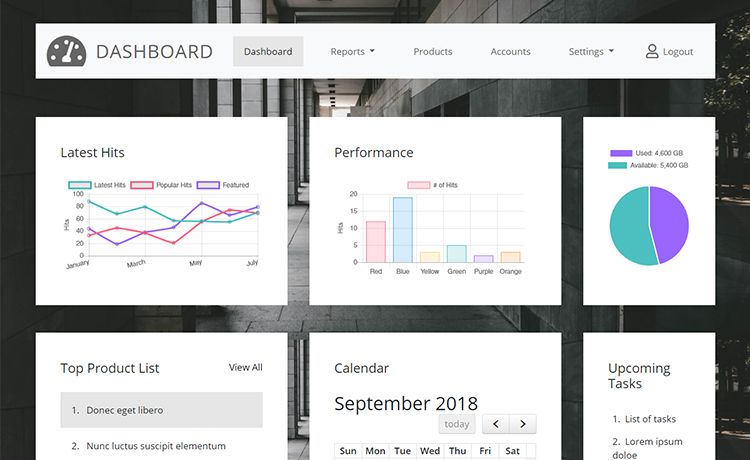
A Next.js admin dashboard for managing the Carpe Diem API data, built with TypeScript, SASS, and Framer Motion.
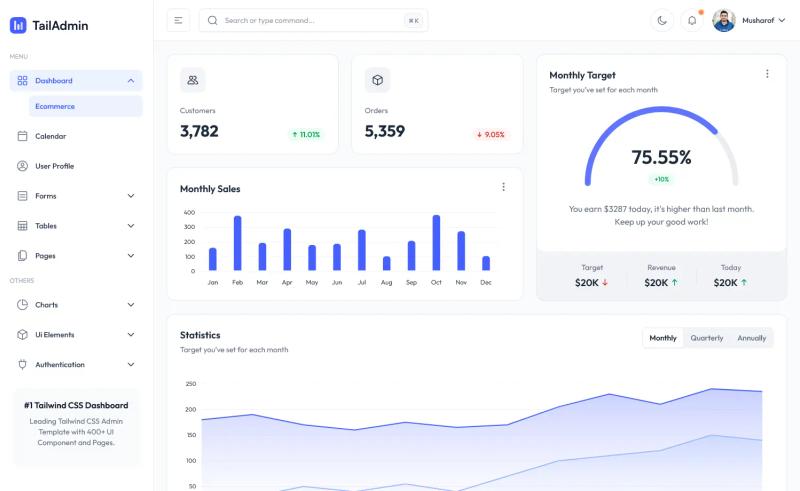
Free multipage admin dashboard template built with Tailwind CSS v4 and Vue.js, with 16+ pages, light/dark modes, and charts.
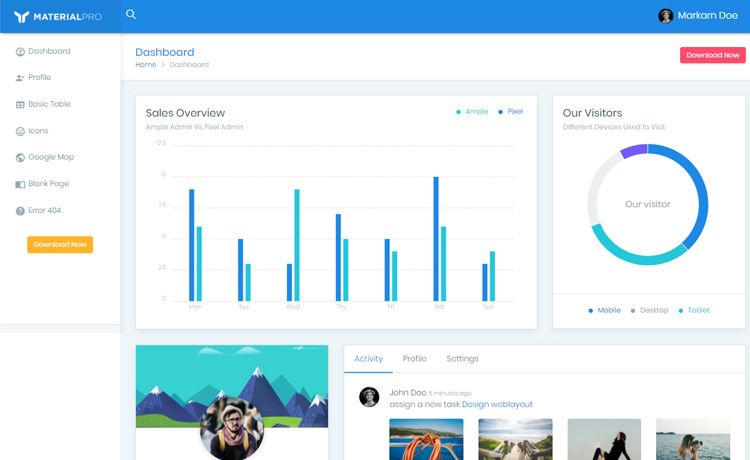
Free Bootstrap 4 responsive admin template with Material Design, 7 page templates, profile page, Google Map, and lifetime updates.

Free React admin dashboard template built with Material UI, TypeScript, Vite, and ApexCharts by WrapPixel.
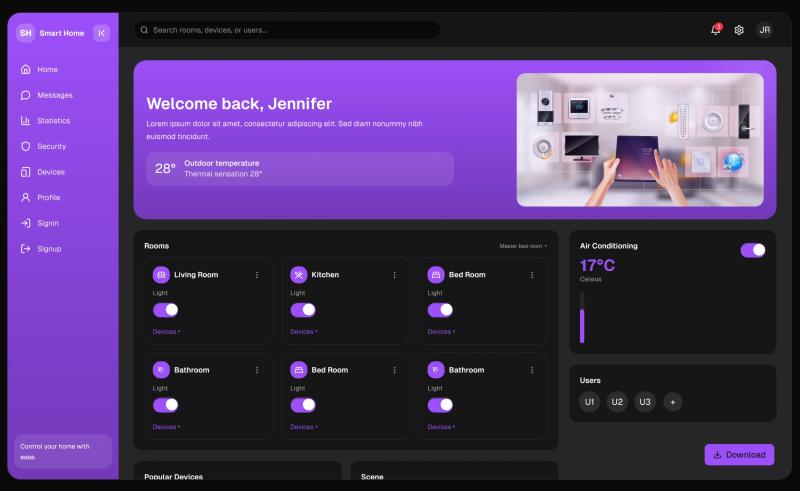
Free multipage admin dashboard template built with Tailwind CSS, React, and Next.js, featuring 7+ pre-built pages and 5 theme colors.
Carpe Diem Admin Dashboard is an open-source Next.js admin page that manages the data of the Carpe Diem API, built with TypeScript, SASS, and Framer Motion. This GitHub project by GabrSobral provides a complete Next.js codebase for an admin dashboard, including a Figma design reference and installation instructions for both development and production environments.
Carpe Diem Admin Dashboard is a Next.js project (using ReactJS as the underlying UI library) that serves as an admin page for managing the data of the Carpe Diem app's API. It takes data from that API and presents it through a dashboard interface, allowing administrators to oversee and edit records. The codebase is written in TypeScript, styled with SASS, and enhanced with Framer Motion animations. The repository includes a link to the original Figma design so developers can match the intended UI.
build command and started with start.Carpe_Diem_ADMIN) shows the intended layout and visual design to guide implementation.yarn dev or npm run dev to launch a hot-reloading development server, or yarn build / npm run build followed by start for a production deployment.To run the project, clone the repository: git clone https://github.com/GabrSobral/Carpe_Diem_ADMIN.git. After cloning, install all dependencies with yarn or npm install. Then start the development server with yarn dev or npm run dev. For production, run the build command first, then the start command. The project was created using Node.js v14.17.1.
The repository is publicly available on GitHub, so the code can be freely viewed and used. No license file is mentioned in the README, so check the repository before using it in commercial projects.
The project uses Next.js, ReactJS, TypeScript, SASS, and Framer Motion. It requires Node.js (v14.17.1 was used during development) and a package manager such as npm or yarn.
Clone the repository, run yarn or npm install to install dependencies, then use yarn dev or npm run dev to start the development server. For production, run the build command followed by start.
Yes, because it is a Next.js project, it inherits Next.js's server-side rendering capabilities. The repository topics also include "server-side-rendering," indicating this is a relevant feature of the codebase.