Newsletter
Join the Community
Subscribe to our newsletter for the latest news and updates

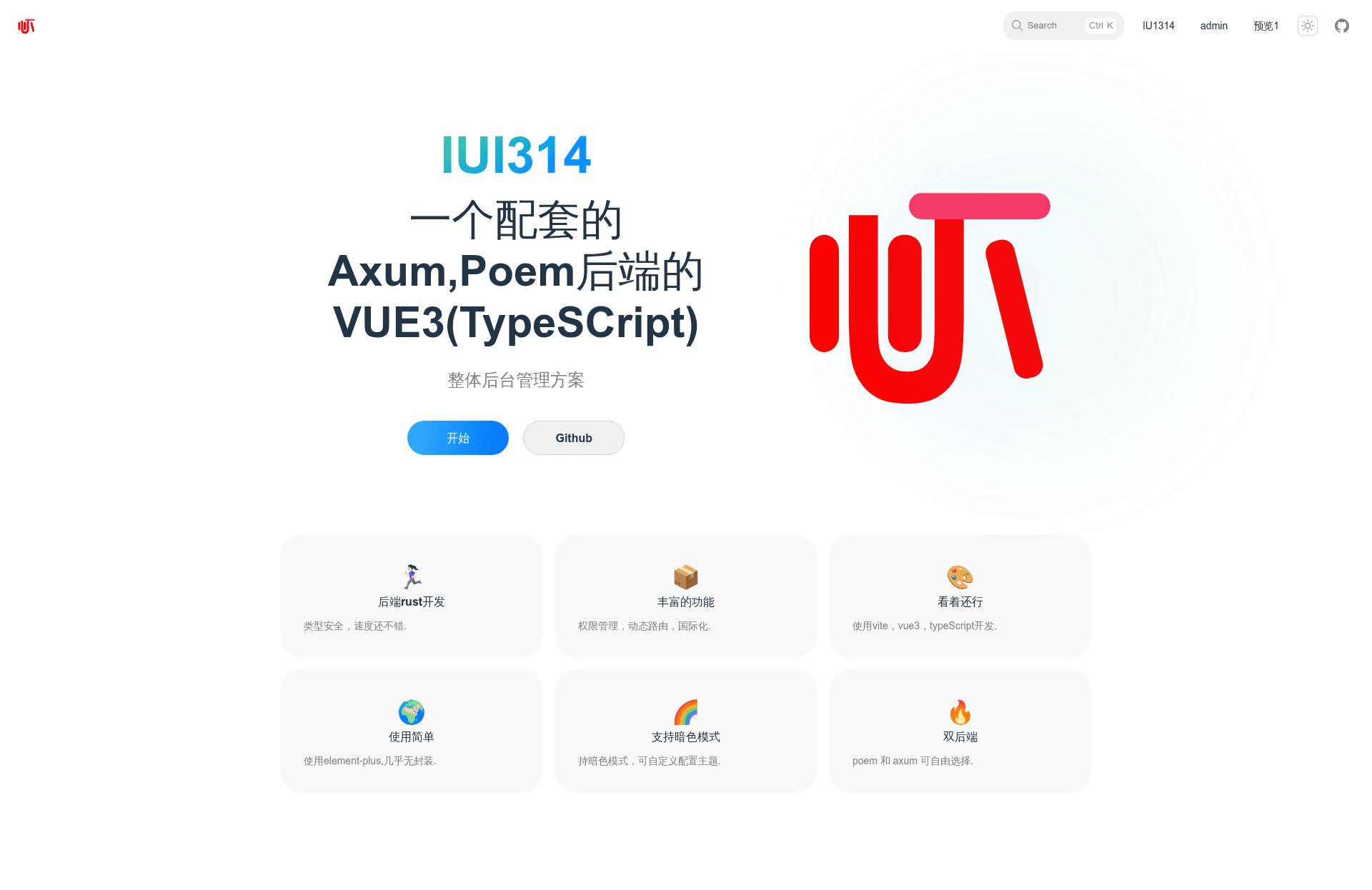
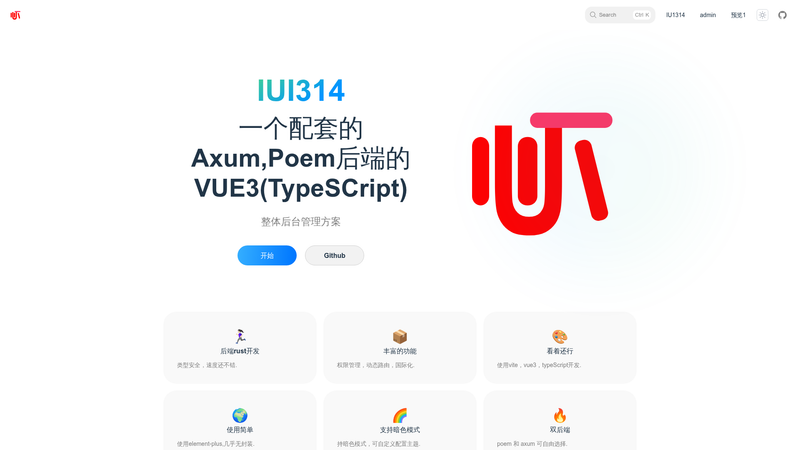
A Rust admin panel built with axum/poem, SeaORM, and Vue 3, featuring RBAC, data permissions, and system monitoring.

A Next.js admin dashboard for managing the Carpe Diem API data, built with TypeScript, SASS, and Framer Motion.
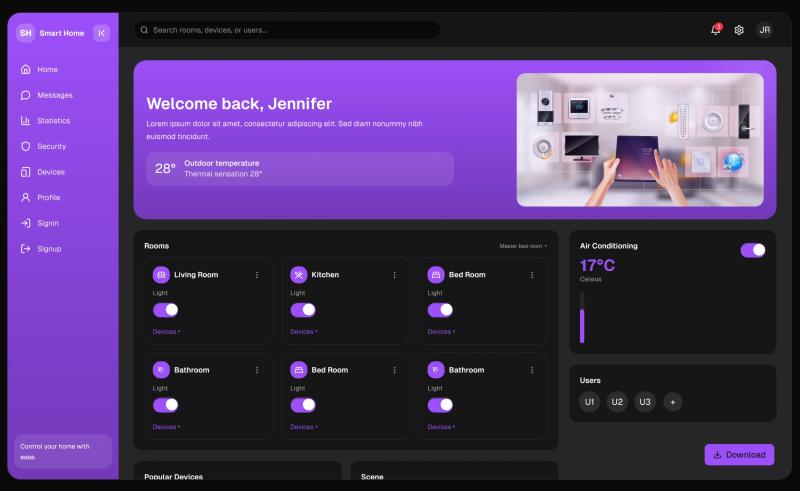
Free multipage admin dashboard template built with Tailwind CSS, React, and Next.js, featuring 7+ pre-built pages and 5 theme colors.
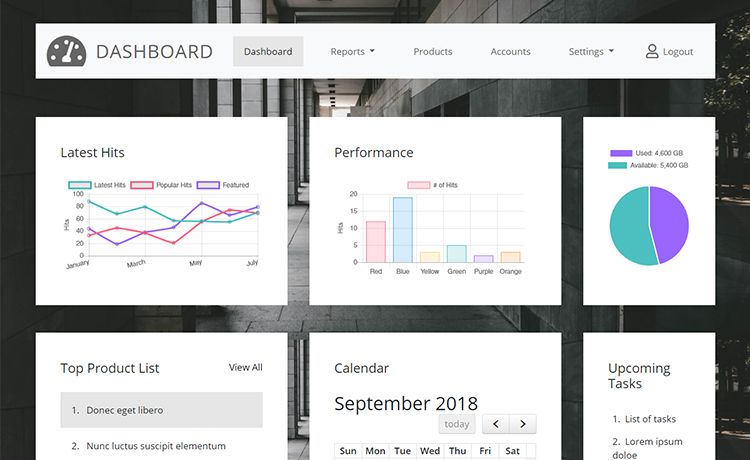
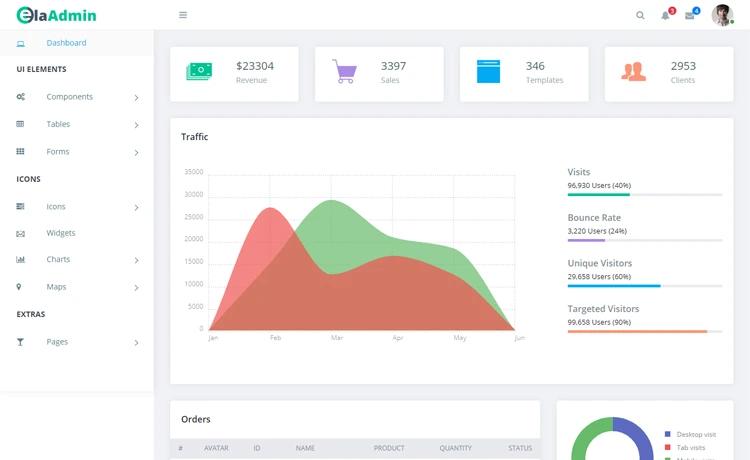
Free open-source HTML5 admin dashboard template built with Bootstrap 4, featuring charts, product and task management.
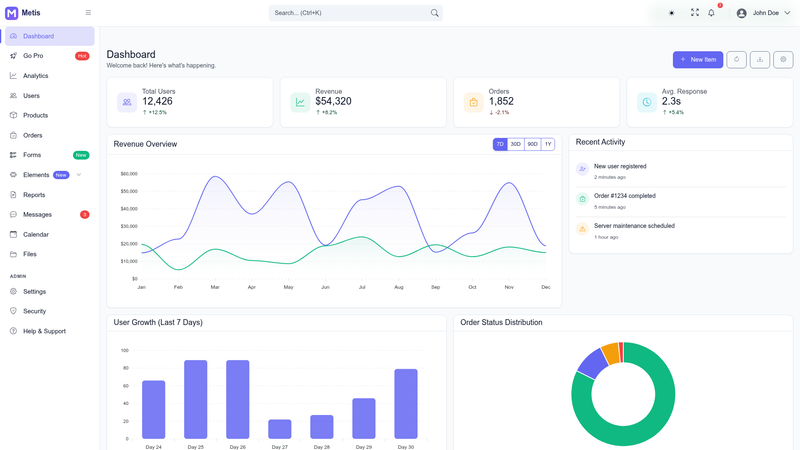
Free MIT-licensed Bootstrap 5 admin dashboard template by Colorlib with 21 pages, Alpine.js, Vite, and zero third-party runtime requests.
axum_admin is an open-source admin panel template that pairs a Rust backend built with axum/poem and SeaORM with a Vue 3 front end, delivering ready-to-use RBAC, data-permission scoping, and system monitoring modules out of the box.
axum_admin is a full-stack admin management panel template hosted on GitHub. It takes database configuration as input and produces a complete web-based admin system with user, department, post, menu, role, and dictionary management modules. The backend runs on the Rust web frameworks axum and poem, uses SeaORM as the ORM for database operations, and the front end is a separate Vue 3 project called IUI314. The author is the GitHub user lingdu1234.
Rust backend developers who want a pre-built admin panel instead of implementing authentication and authorization from scratch. Teams building internal tools with a need for fine-grained data permissions, such as department-scoped visibility, will find the five-scope data permission system directly useful. Developers using SeaORM or looking for a Vue 3 admin front-end pairing can study how the two projects integrate through API calls.
To get started, install the SeaORM CLI with cargo install sea-orm-cli, set the database address in the .env file, and run sea-orm-cli migrate up to apply migrations. Resets and rollbacks are available via sea-orm-cli migrate fresh and sea-orm-cli migrate down. The backend exposes API endpoints that the Vue 3 front end consumes to render pages dynamically.
Yes, the project is open source on GitHub and can be cloned and used freely. The README does not mention any license restrictions.
SeaORM is a multi-database ORM, and the setup requires setting the database address in the .env file. The specific database engine is not stated in the README, but SeaORM typically supports MySQL, PostgreSQL, and SQLite.
Yes, the front end enforces button-level permissions using permission flags returned by the backend, and routes are generated dynamically from backend responses.