Newsletter
Join the Community
Subscribe to our newsletter for the latest news and updates

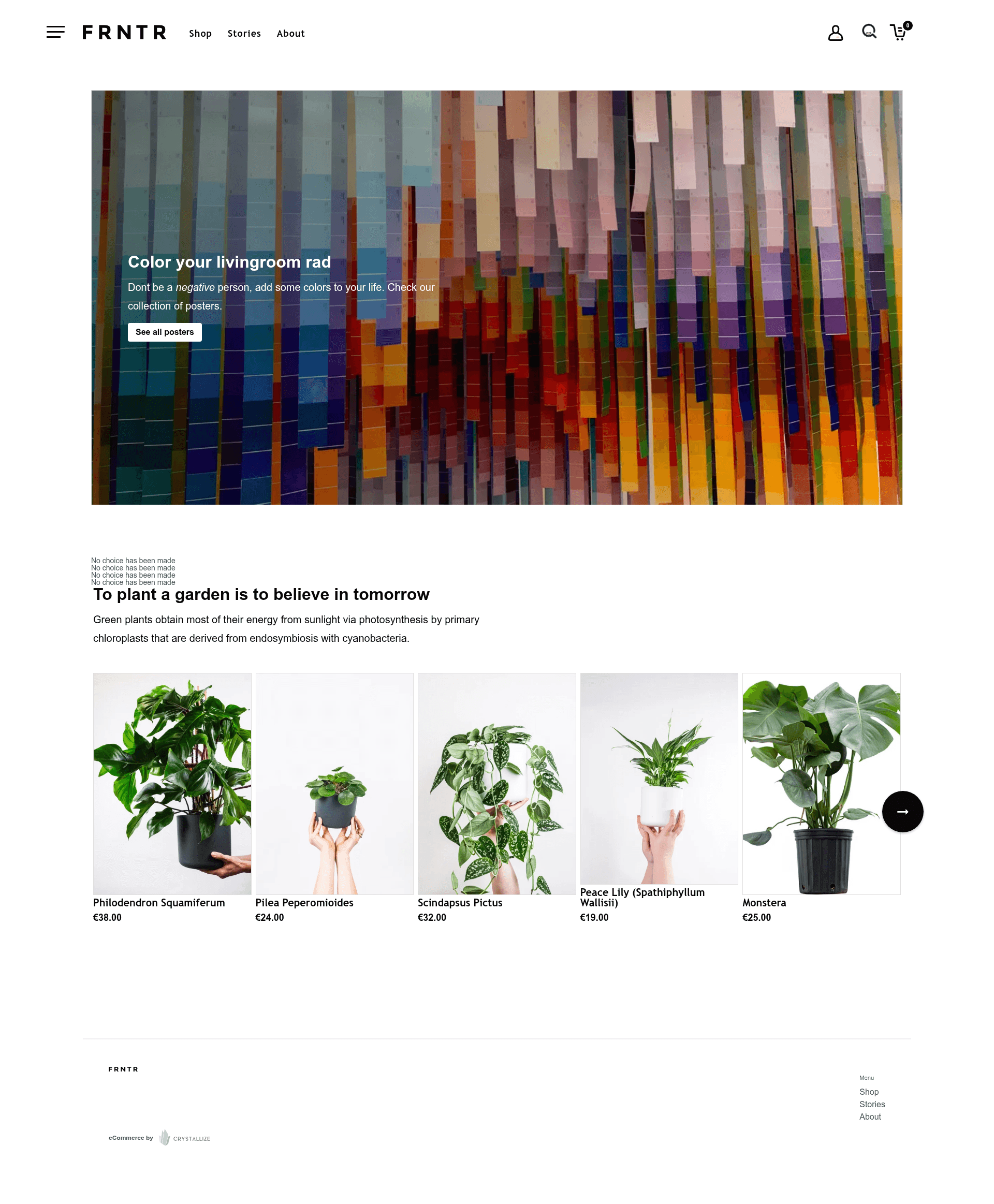
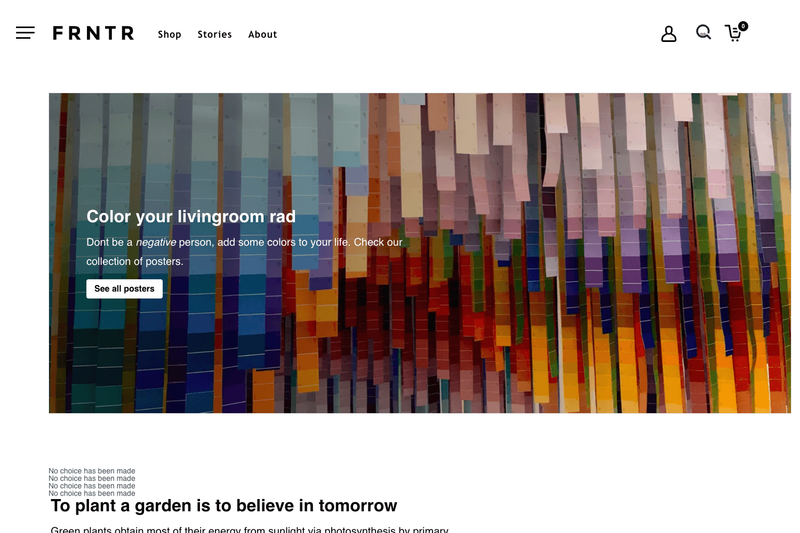
Minimal Gatsby + React boilerplate for building headless ecommerce storefronts on Crystallize.
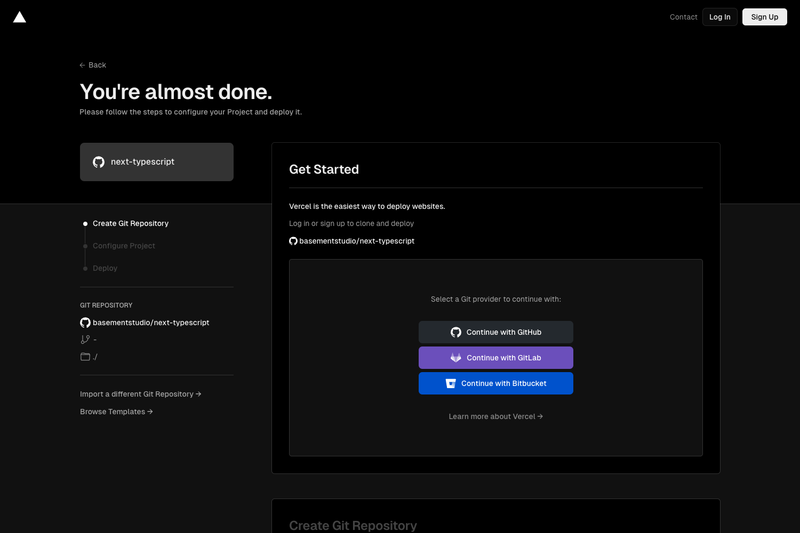
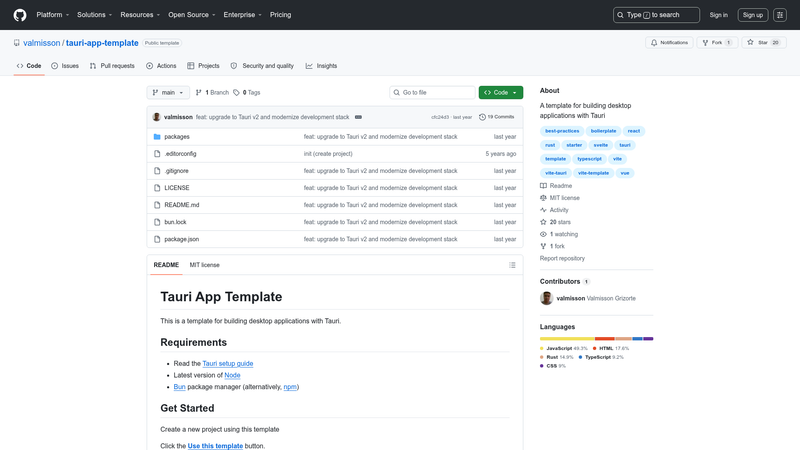
Next.js + TypeScript boilerplate with preconfigured ESLint, Prettier, and Husky for fast project setup.
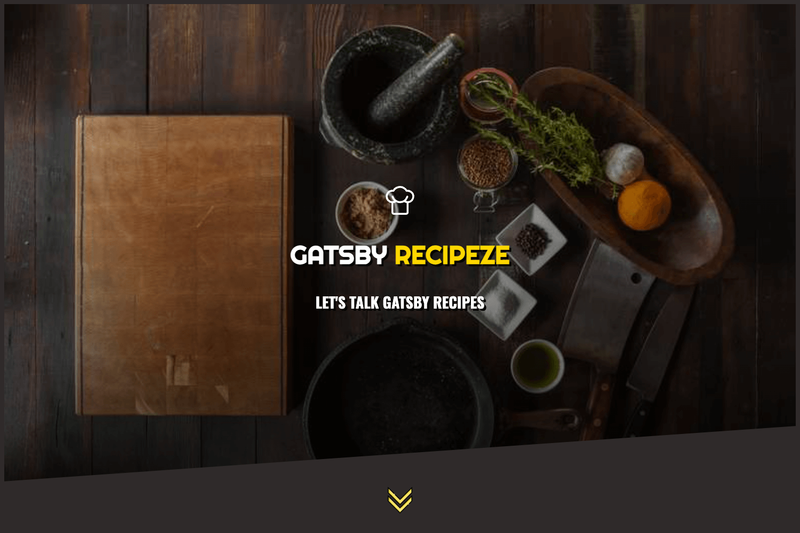
Gatsby themes as atomic infrastructure pieces for super agility in creating Gatsby sites
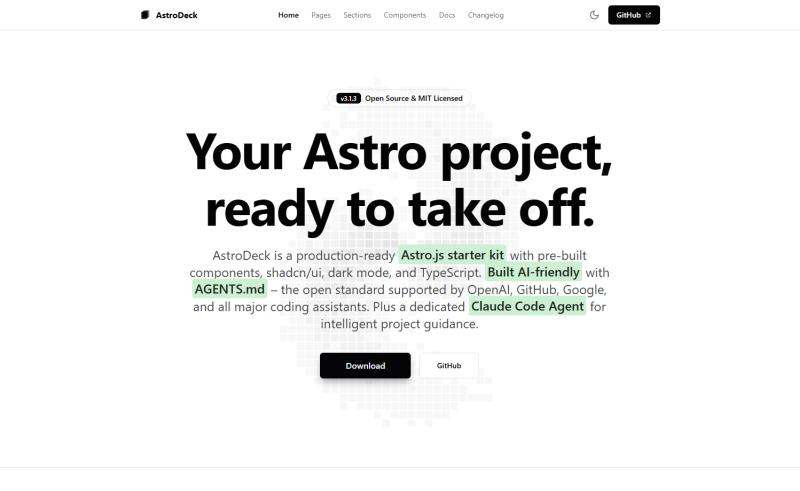
AstroDeck is a free multipage starter kit template built with Tailwind CSS and Astro, featuring 6+ pages, light/dark modes, and SEO optimization.
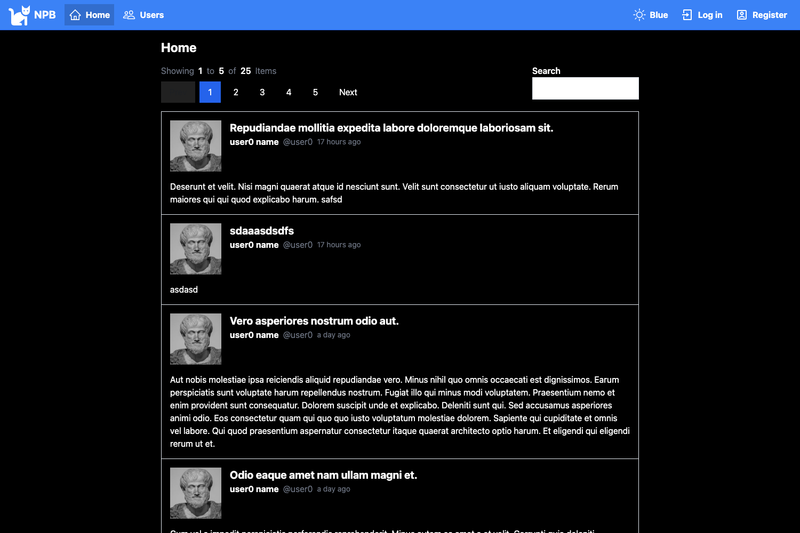
Full stack boilerplate with Next.js, Prisma, Tailwind, TypeScript, Docker, Postgres, Jest and Cypress tests, GitHub Actions CI/CD, and Traefik deployment.
The Crystallize Gatsby Boilerplate is an open-source, MIT-licensed starter project for launching a headless ecommerce frontend with Gatsby and React, powered by the Crystallize platform's GraphQL-based product information management (PIM) and ecommerce APIs.
The Crystallize Gatsby Boilerplate is a minimal frontend skeleton maintained by Crystallize for building ecommerce experiences with Gatsby and React. It consumes product and content data from Crystallize's headless ecommerce and PIM service through GraphQL, and outputs a static React storefront that can be deployed to Vercel or Netlify. The repository is a subtree split of the CrystallizeAPI/boilerplates monorepo, so bug reports and contributions are handled in the main repository.
npx @crystallize/cli my-project, walks you through specifying your tenant, choosing the Gatsby.js + React template, and optionally adding Netlify.npm run dev or yarn dev starts a development server at http://localhost:8000.src/page-templates directory holds the entry pages connected to query results defined in gatsby-node.js.now) or linking a Netlify project to your Git repository and pushing to master.Developers who want a bare-bones Gatsby storefront rather than a full-featured theme should use this boilerplate as the starting point for a Crystallize-backed ecommerce project. It is also suited for teams already using Crystallize as their headless commerce and PIM backend who need a lightweight React frontend, and for developers learning how to wire Gatsby to a GraphQL commerce API.
Run npx @crystallize/cli my-project with Node 8 or newer, answer the prompts to specify your tenant and select the Gatsby.js + React template, then start the dev server with npm run dev or yarn dev. The project's src/page-templates folder contains page components that map to GraphQL query results defined in gatsby-node.js. For production, deploy by running now for Vercel or connecting the repository to Netlify.
Yes. The boilerplate is open source and MIT licensed, so you can use it for commercial projects without licensing fees, and you can modify it freely. The Crystallize service itself has its own pricing, which is separate from this starter.
You need Node.js version 8 or higher, and a Crystallize tenant to connect to. The CLI command npx @crystallize/cli my-project handles scaffolding, and the dev server runs at http://localhost:8000.
The readme does not list a styling system. It describes itself as the bare minimum skeleton, focusing on the Gatsby + React frontend and the Crystallize backend integration.
Because this is a subtree split, issues and contributions should be directed to the main repository at https://github.com/CrystallizeAPI/boilerplates.