Newsletter
Join the Community
Subscribe to our newsletter for the latest news and updates

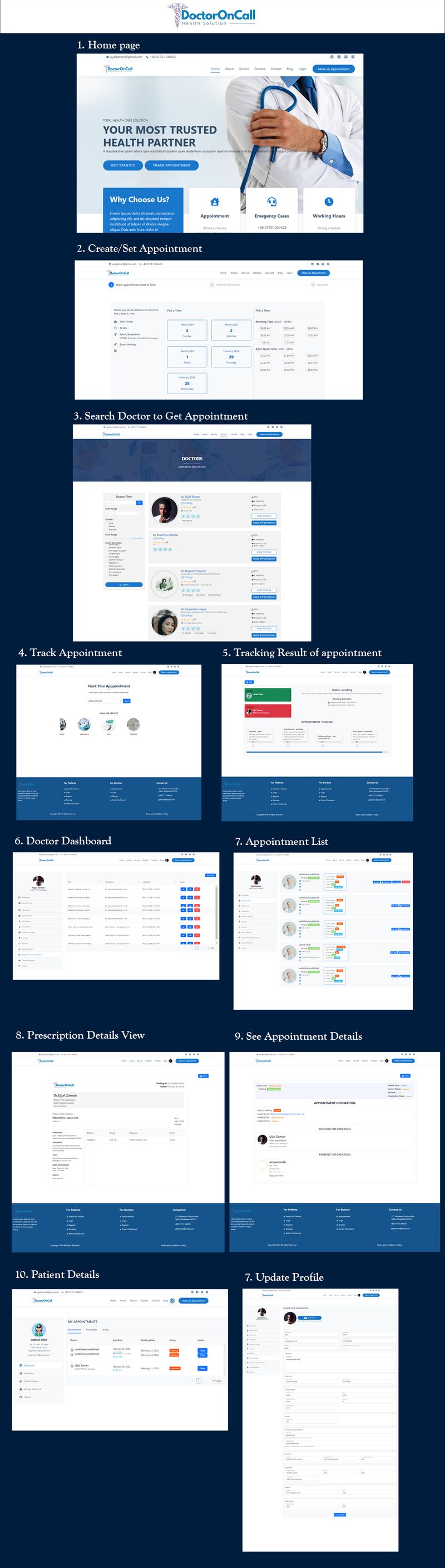
Full-stack doctor appointment web app with patient booking, doctor schedule management, and admin oversight.

Open-source Notion.so replica SaaS boilerplate with real-time collaboration, customizable workspaces, built on Next.js 14, shadcn/ui, and TailwindCSS.
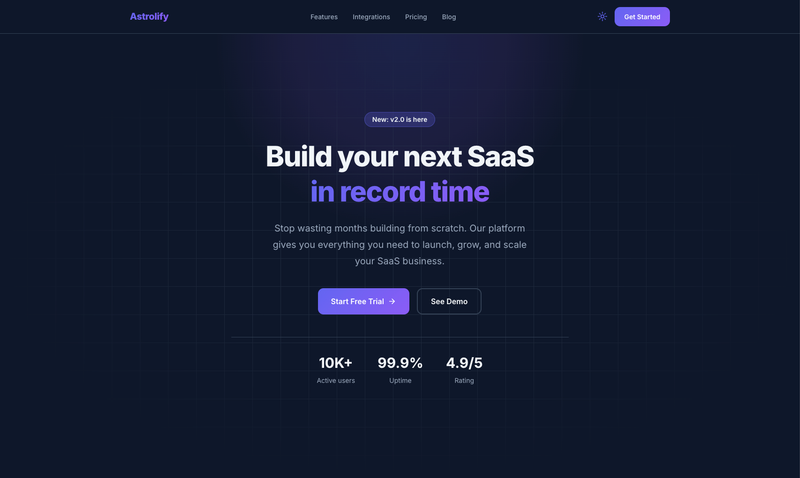
Astro SaaS landing page template with single-file config, dark/light mode, and zero JS frameworks.
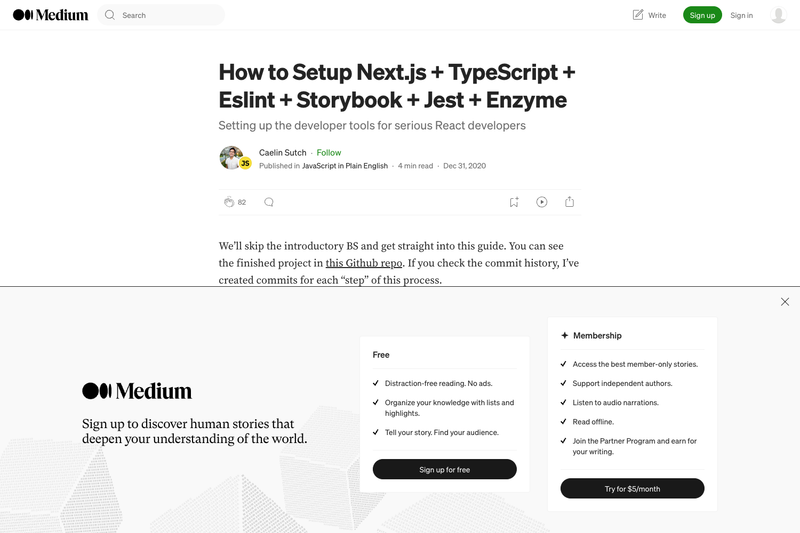
A Next.js boilerplate with TypeScript, ESLint, Storybook, Jest, and Enzyme configured for modern React development.
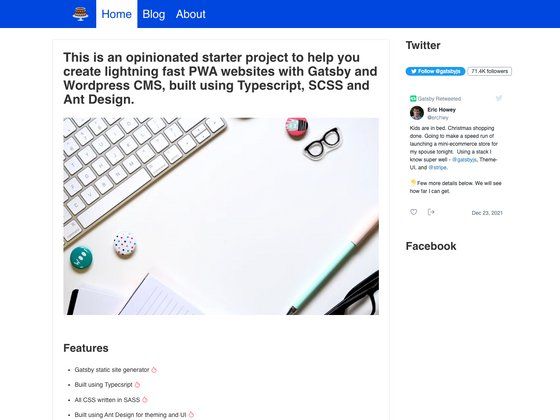
Opinionated Gatsby starter for WordPress blogs with TypeScript, SCSS, Ant Design, Staticman comments, PWA, and SEO.
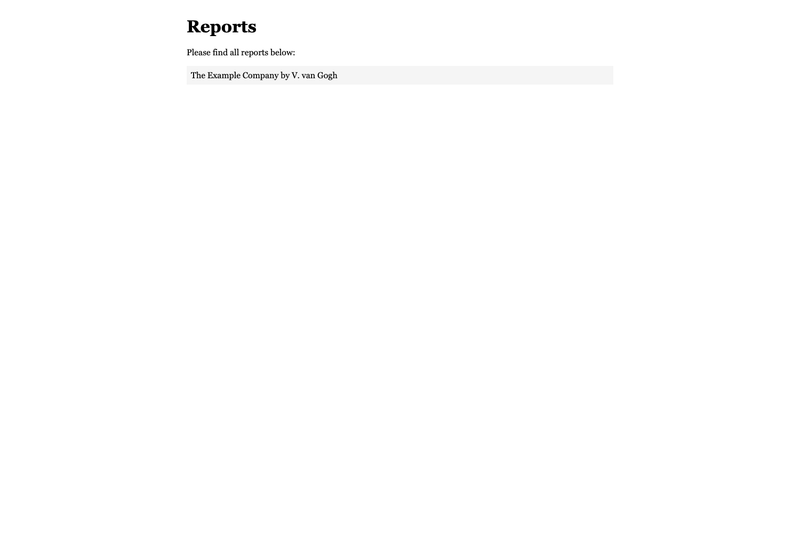
A starter pack for creating WCAG conformance reports with Eleventy
Deploy a Nitro server to Vercel with zero configuration using this official boilerplate template.
DoctorOnCall is a full-stack web app template for clinic-style doctor appointment booking, built with a React front end and an Express/TypeScript API, where patients book visits, doctors manage schedules and prescriptions, and admins oversee the entire system.
DoctorOnCall is an open-source full-stack web application template for online doctor appointments, created by Ujjal Zaman and published on GitHub under the repository name Doctor-Appointment. It takes patient, doctor, and admin interactions as input and outputs a complete booking, scheduling, prescription, invoicing, and administration workflow. The frontend runs on React with Redux Toolkit, Ant Design, React Router, and Axios; the backend is a Node.js + Express + TypeScript API using Prisma as the ORM, and the database is PostgreSQL (configurable to run on Supabase's hosted Postgres). The project includes a live demo deployed on Netlify.
The project is split into a React app in the root and an Express API in the api/ directory. After cloning, you create a Supabase project, copy the PostgreSQL URI into api/.env as DATABASE_URL, then run npm install, npx prisma generate, and either npx prisma db push or npx prisma migrate dev to sync the schema. Start the API with npm run dev (default port 5050), set REACT_APP_API_BASE_URL in the root .env to http://localhost:5050, and run npm start to launch the frontend on http://localhost:3000. Admin accounts are created directly in the database by setting role = admin (or isDemo = true for read-only access) rather than through the sign-up form.
The repository is shared publicly on GitHub for learning and portfolio use. The README does not state a price or commercial license, and the author invites collaboration through the website and email. The code and setup are fully available for anyone to clone, run, and modify.
You need Node.js (LTS), a Supabase account or any PostgreSQL database, and optionally Gmail and Cloudinary accounts for email and image features. No global install of Prisma or TypeScript is required because the setup uses npx.
Admin accounts are not created from the sign-up form. You add a row to the Auth table in the database with the role set to admin and a hashed password matching how the app stores passwords, or you set isDemo to true to create a read-only admin that cannot change data through the API.
The schema is defined in api/prisma/schema.prisma and targets PostgreSQL. The setup guide uses Supabase as the hosted provider, and you choose between the session-mode connection string (port 5432) or the transaction pooler (port 6543), adding ?sslmode=require if needed.