Newsletter
Join the Community
Subscribe to our newsletter for the latest news and updates

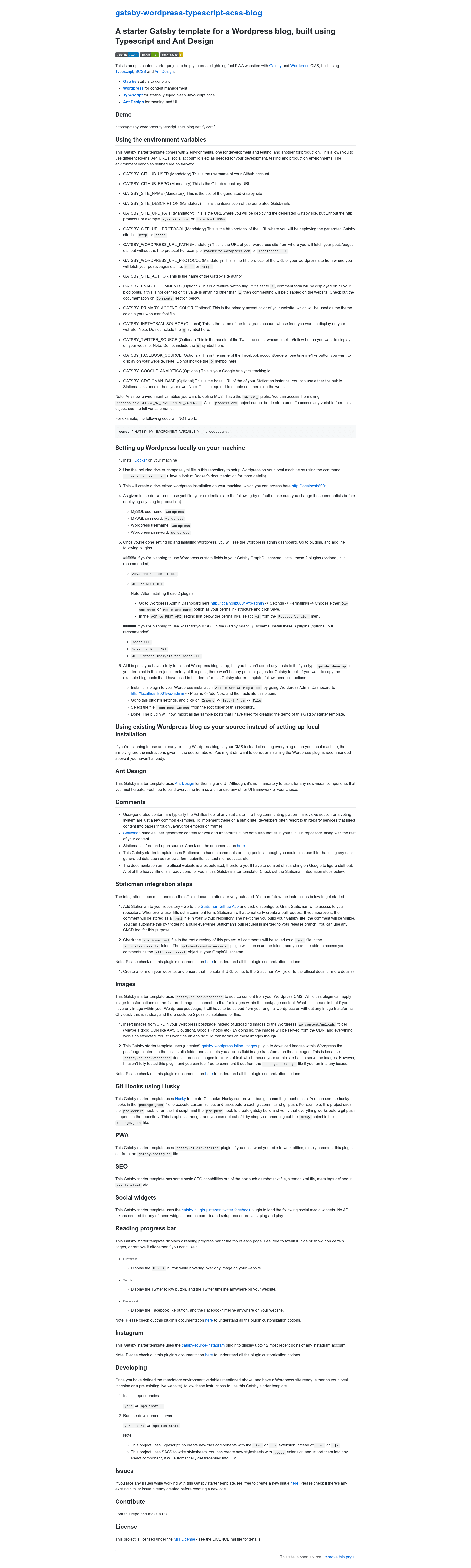
Opinionated Gatsby starter for WordPress blogs with TypeScript, SCSS, Ant Design, Staticman comments, PWA, and SEO.
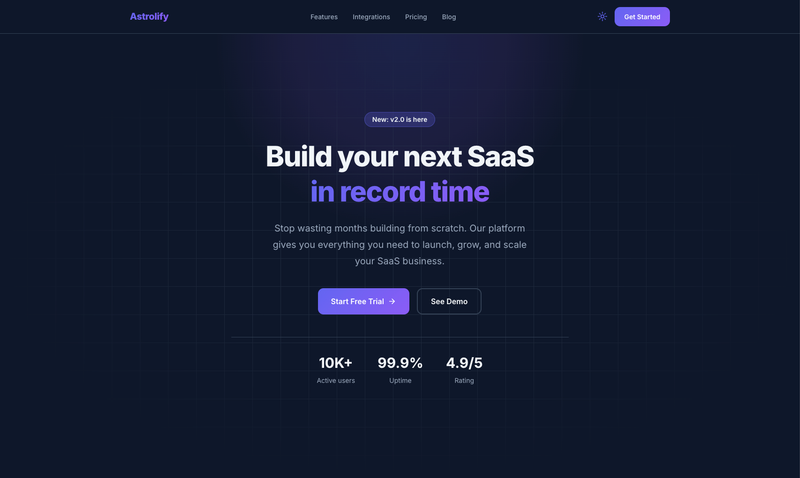
Astro SaaS landing page template with single-file config, dark/light mode, and zero JS frameworks.
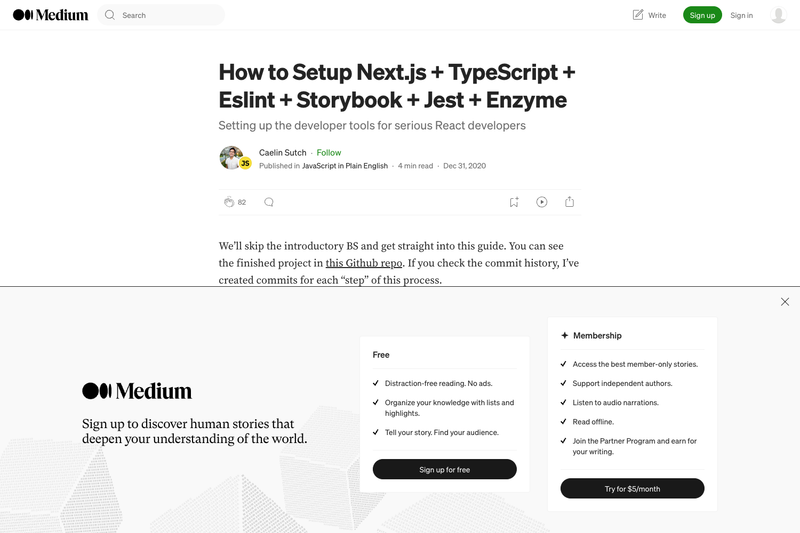
A Next.js boilerplate with TypeScript, ESLint, Storybook, Jest, and Enzyme configured for modern React development.
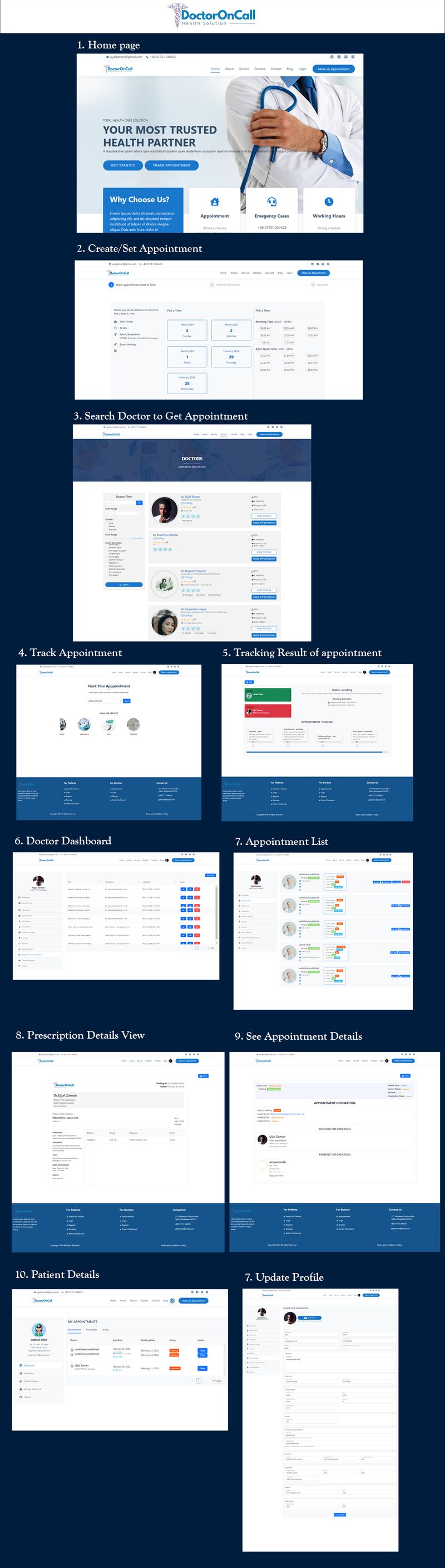
Full-stack doctor appointment web app with patient booking, doctor schedule management, and admin oversight.
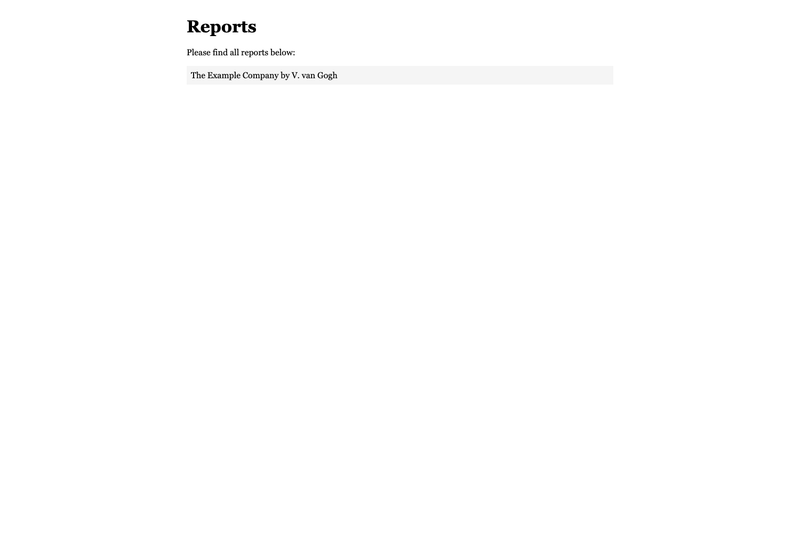
A starter pack for creating WCAG conformance reports with Eleventy

Deploy a Nitro server to Vercel with zero configuration using this official boilerplate template.
Gatsby Wordpress Typescript Scss Blog is an opinionated starter template that generates a fast, progressive web app blog from a WordPress CMS using Gatsby, TypeScript, SCSS, and Ant Design.
This starter connects a WordPress installation to a Gatsby static site, pulling posts and pages through gatsby-source-wordpress and outputting a TypeScript-based PWA with Ant Design components. It is authored by Sagar7993 and released under the MIT License. The template is designed to be deployed to Netlify — a live demo is available at gatsby-wordpress-typescript-scss-blog.netlify.com.
allCommentsYaml GraphQL object.docker-compose up -d to create a local WordPress instance at localhost:8001, then add recommended plugins like Advanced Custom Fields and Yoast SEO.yarn or npm install, then yarn start or npm run start to launch the development server and start building.Free. The starter is open source under the MIT License.
Yes, it is free and open source, released under the MIT License. You can use it for personal or commercial projects without cost.
The template recommends Advanced Custom Fields and ACF to REST API for custom fields, and Yoast SEO, Yoast to REST API, and ACF Content Analysis for Yoast SEO for SEO data. These are optional.
Yes, simply set GATSBY_WORDPRESS_URL_PATH and GATSBY_WORDPRESS_URL_PROTOCOL to point to your existing WordPress site, and skip the local Docker setup.
The template uses Staticman to handle comments. Readers submit a form, Staticman opens a pull request with the comment saved as a .yml file. When you merge the PR, the comment appears on the next site build.
No, gatsby-source-wordpress only processes featured images. Images inside post/page content are served from the original WordPress URL unless you enable the untested gatsby-wordpress-inline-images plugin included in the project.