Newsletter
Join the Community
Subscribe to our newsletter for the latest news and updates

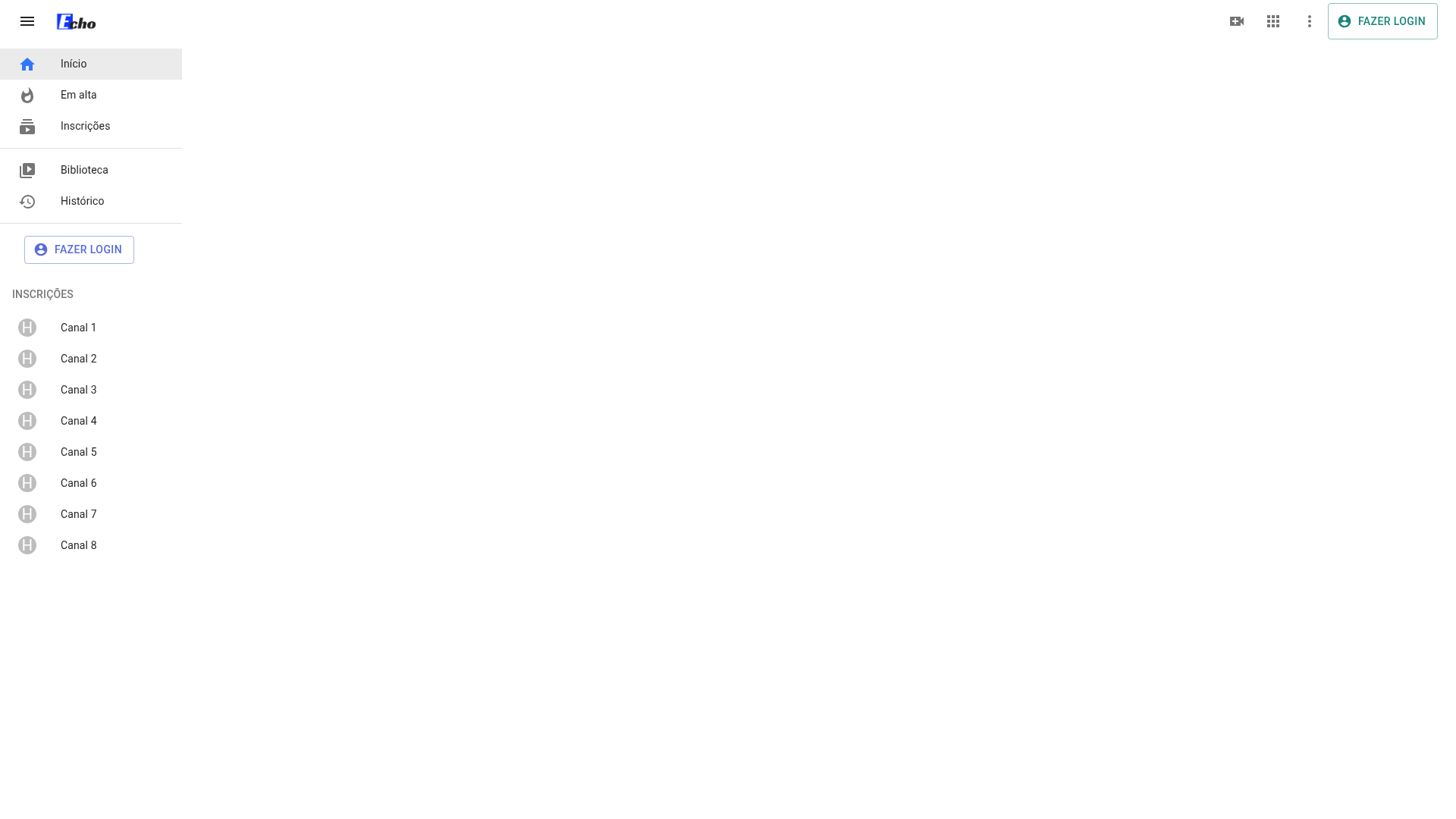
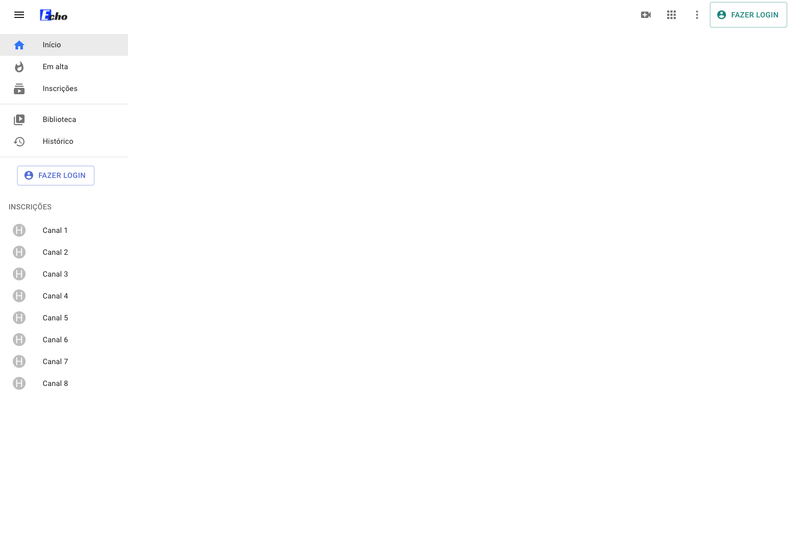
NextJs - A dashboard Template based on Youtube. (Under Development)
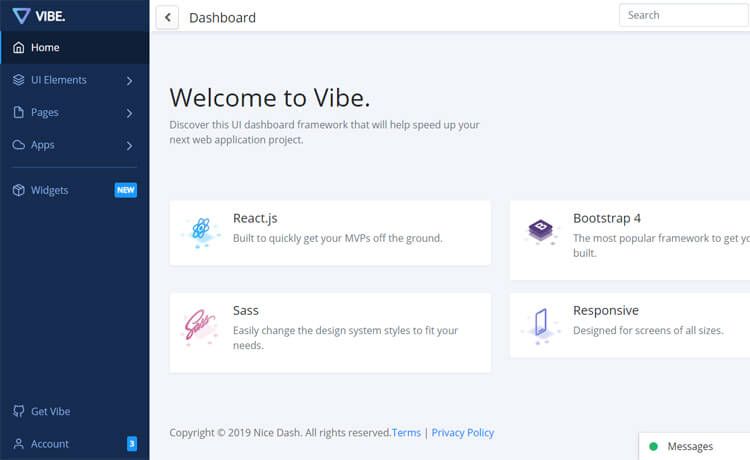
Free Bootstrap 4 React.js admin dashboard template with sticky sidebar, charts, example pages, and interactive apps.

Free Tailwind CSS UI Kit and Admin built with VueJS, featuring 120 CSS components and 18 dynamic Vue components.

Nuxt 3 and Bootstrap 5 admin dashboard with Laravel JSON:API backend, featuring auth, user management, and 200+ UI components.
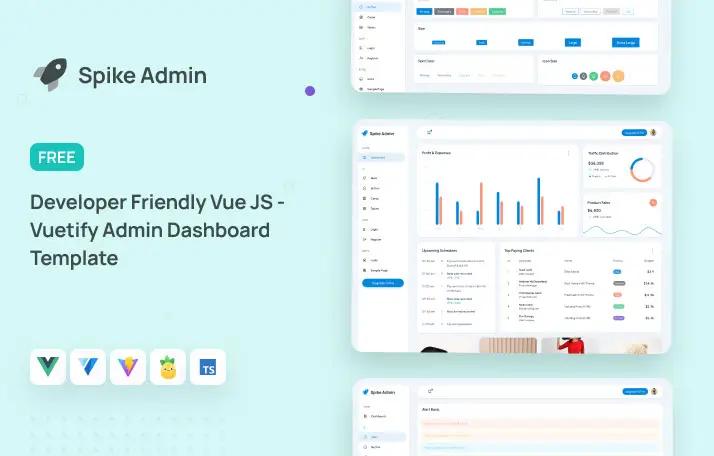
Free, open-source Vue 3 admin dashboard template with Vuetify, TypeScript, and Vite.
Echo is a Next.js dashboard template based on YouTube, released under the MIT license and currently marked as under development by its author, Antônio Bernardino da Silva.
Echo is an open-source dashboard template built with Next.js and described by its creator as 'A Dashboard based on Youtube.' The project, hosted at https://github.com/Tonybsilva-dev/Echo, gives developers a starting point for building YouTube-style analytics or content-management interfaces. It takes a fresh Next.js project as its foundation and adds dashboard-oriented visual assets, including a logo; the README does not yet document specific dashboard pages or data integrations because development is ongoing. A live demo is available at https://echo.vercel.app/, and the repository includes a GitHub wiki for exploring the docs.
Echo is aimed at developers and teams who want a dashboard interface centered on YouTube content. Three likely audiences emerge from the repository's metadata and positioning:
Yes. Echo is distributed under the MIT License, so you can freely use, copy, modify, merge, publish, and distribute the software.
No. The README explicitly marks the project as 'Under Development' in both the About and Usage sections, meaning the dashboard is incomplete and not yet feature-complete.
After installing the latest npm globally, clone the repository with git clone https://github.com/Tonybsilva-dev/Echo.git, then run npm install inside the project directory.