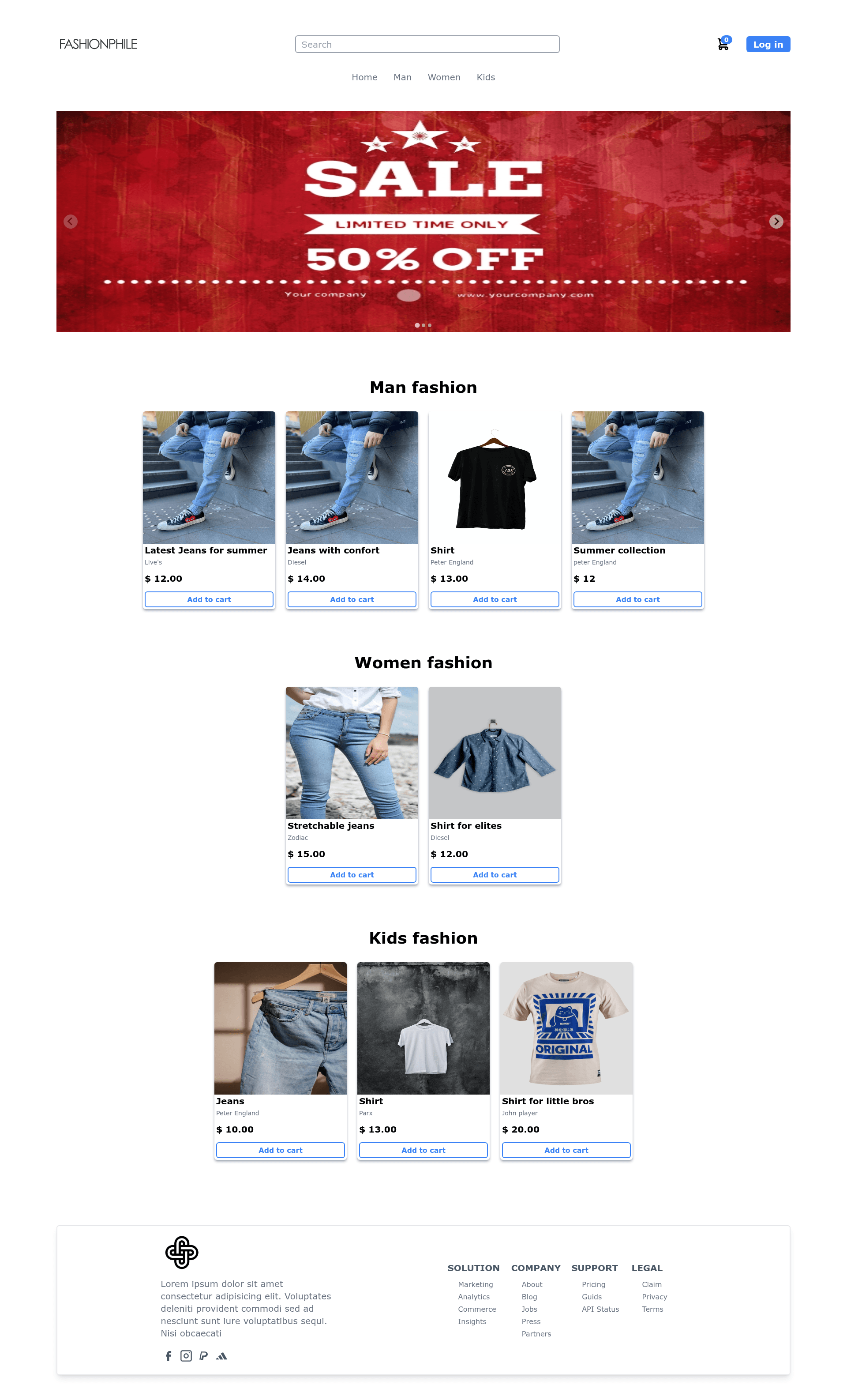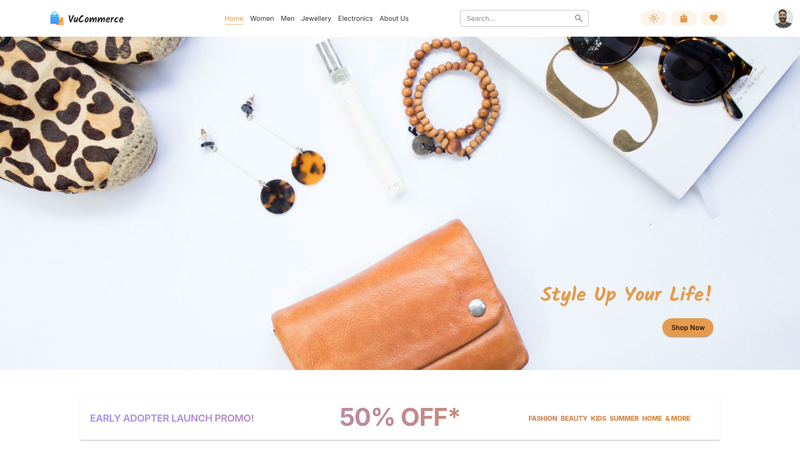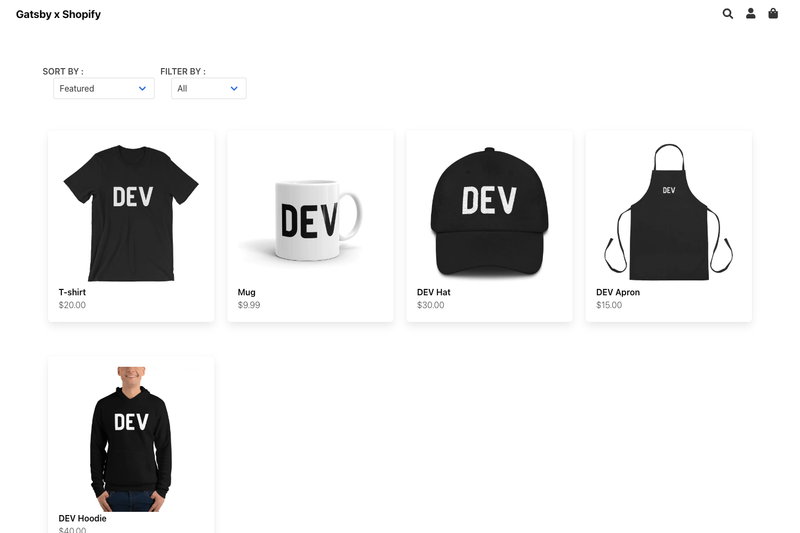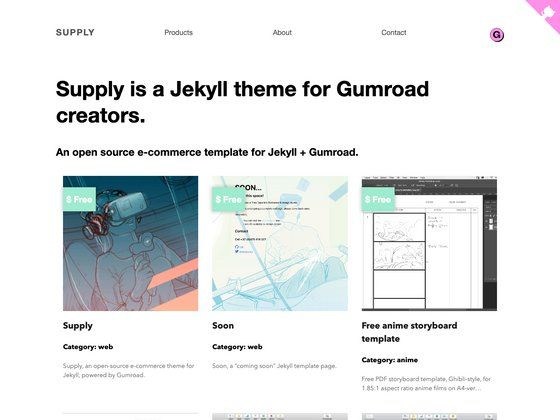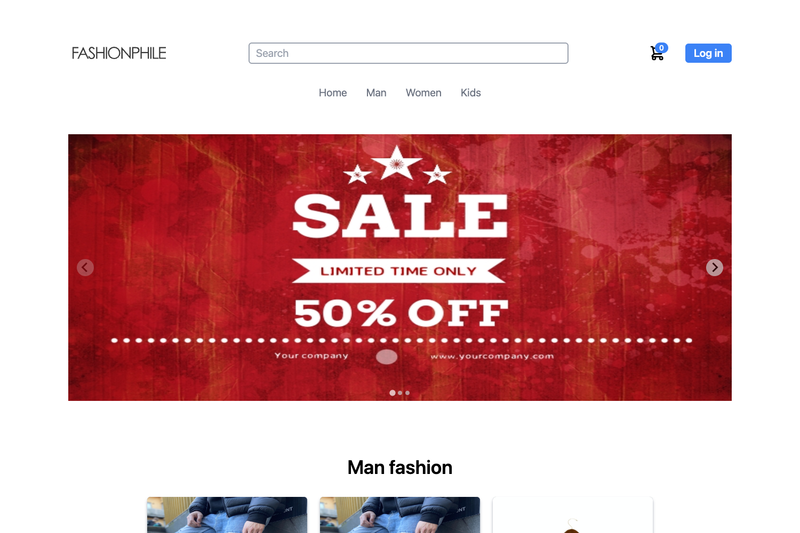
Ecommerce on Next.js (also known as Fashionphile) is an open-source ecommerce starter for clothing stores, built on the Next.js full-stack framework with Auth0 authentication, MongoDB Atlas storage, and a payment gateway.
What is Ecommerce on Next.js?
This is a full-stack ecommerce web application created by developer Shobhit Mishra (GitHub: Shobhit-Mishra-02) as a learning project after picking up Next.js. It takes product data stored in MongoDB Atlas and presents it through a Next.js storefront where visitors can browse trending clothing, search products, and create accounts to manage carts and place orders. The application uses Next.js as its framework, Tailwind CSS for styling, and is deployed live to Vercel at fashionphile.vercel.app.
Key Features
- Auth0 user authentication — Users must create an account and log in through Auth0 before placing orders or adding items to the cart.
- MongoDB Atlas database — Product and order data is stored in MongoDB Atlas, a cloud NoSQL database that requires an Atlas connection string to run locally.
- Cart and Order section — Logged-in customers can add clothing items to a cart and complete orders, with a payment gateway integrated at checkout.
- Admin panel — A dedicated admin section lets authorized users add or remove products from the catalog.
- Search functionality — Visitors and users can search across the product catalog to find specific clothing items.
- Payment gateway — Checkout includes payment processing, making the template a full transaction-ready storefront.
The project's prerequisites also list JavaScript, HTML, and Tailwind CSS, so a developer running it locally should have those technologies in place.
Who is it for?
Developers learning Next.js who want a real ecommerce example with authentication and database integration; clothing store owners who need a modern storefront they can customize; and frontend developers looking for a Tailwind CSS project structure with a working admin panel.
What can you do with it?
- Fashion entrepreneurs: launch an online clothing store where customers log in with Auth0, browse trending items, search, add to cart, and pay through the integrated gateway.
- Next.js learners: study a complete full-stack app that combines server-rendered pages, MongoDB Atlas data, and third-party authentication.
- Admin users: manage the product catalog by adding new clothing items or removing existing ones from a dedicated admin panel.
How does it work?
To run locally, clone the repository from GitHub, cd into the project directory, run npm install to install dependencies, then start the development server with npm run dev. The project expects a MongoDB Atlas connection and Auth0 credentials configured by the developer.