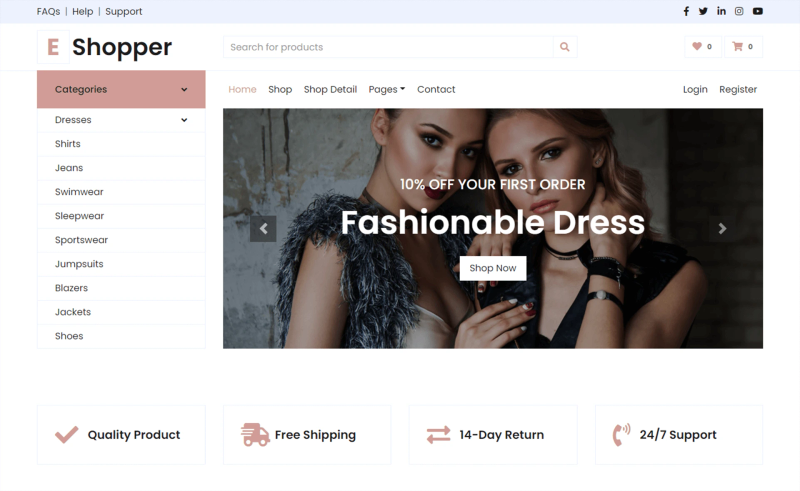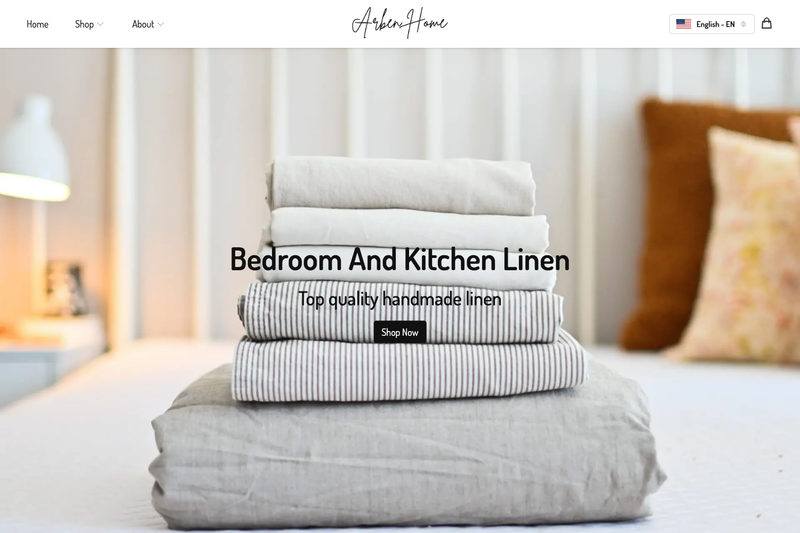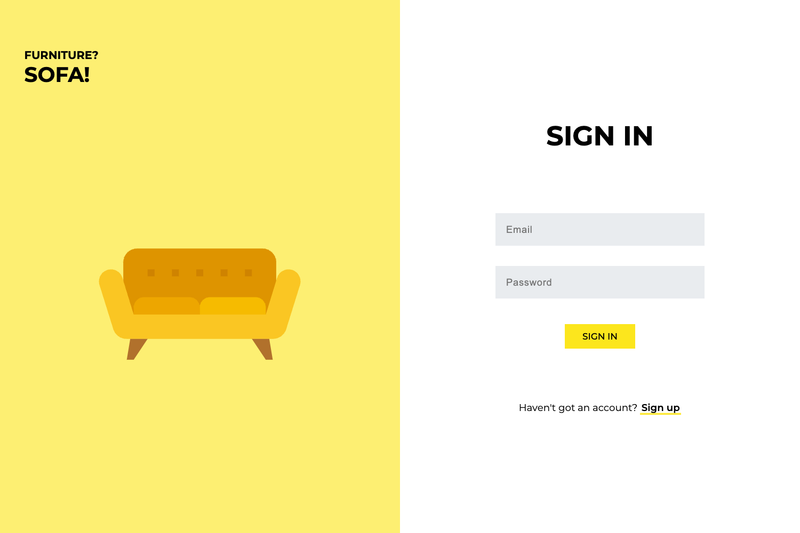
Ecommerce Sofa is an open-source, scalable template for building furniture e-commerce stores, built on Next.js static site generation, TypeScript, Firebase authentication, DatoCMS, and Stripe payments.
What is Ecommerce Sofa?
Ecommerce Sofa is a Next.js-based e-commerce project for a furniture store, delivered as a full source-code template. It takes product offers from the DatoCMS headless CMS and user credentials through Firebase auth, and produces a live static-generated storefront with a Stripe checkout. The repository is maintained by Bartek532 and is available at https://github.com/Bartek532/ecommerce-sofa, with a deployed demo at https://ecommerce-sofa.vercel.app.
The template is written in TypeScript and React, using the Context API for state sharing and styled-components plus SCSS for styling. It ships with test tooling configured (Jest, React Testing Library, Cypress) and includes demo credentials for exploring the app without registering.
Key Features
- Next.js static generation — Uses SSG for fast page loads and good user experience, with a live Vercel deployment.
- Firebase Authentication — Provides a full auth flow; a test account ([email protected] / Te$$t1ng) is included in the README.
- DatoCMS headless CMS — Product offers are fetched from this performant, user-friendly CMS, so store content can be managed without code changes.
- Stripe payments — Integrated payment processing library for handling checkout transactions.
- Styled Components + SCSS — Two styling approaches coexist: CSS-in-JS via styled-components and SCSS for extended styling power.
- React Hook Form — Handles form validation with easy-to-use APIs; React Select creates styled select inputs.
- Comprehensive testing — Unit/component tests with Jest and React Testing Library, plus end-to-end tests with Cypress.
- TypeScript — Entire codebase uses TypeScript as a JavaScript superset for type safety across the project.
Who is it for?
- Front-end developers — Who want a ready-made e-commerce storefront with a modern stack and full test setup, saving hours of boilerplate configuration.
- Furniture store owners — Who need an online shop with CMS-driven product catalogs and secure payments, deployable to Vercel and other static hosts.
- Agencies and freelancers — Building e-commerce sites for multiple clients benefit from the templated architecture, which can be rebranded using styled-components and SCSS.
What can you do with Ecommerce Sofa?
- Store managers: Update furniture listings in DatoCMS and have changes appear on the static site after rebuild, without touching the codebase.
- Developers: Extend the template with new pages, components, or payment flows, using the existing Context API state and React Hook Form validation patterns.
- Testing enthusiasts: Run the included Jest, React Testing Library, and Cypress suites to verify critical user journeys like login and checkout.
How does Ecommerce Sofa work?
The workflow follows a standard Next.js static generation setup: clone the repository, run npm install, configure environment variables for services like Firebase and Stripe, then run npm run start. Pages are statically generated at build time with product data fetched from DatoCMS, while authentication through Firebase and payments through Stripe run as client-side integrations.
FAQ
Is Ecommerce Sofa free?
Yes. The template is open-source and distributed under the repository at https://github.com/Bartek532/ecommerce-sofa. No license fee is mentioned, and it can be freely cloned and reused.
How do I run Ecommerce Sofa?
Clone the repo, run npm install, set up the required environment variables, and then run npm run start. The README provides these steps and points to the live demo for reference.
What payment gateway does Ecommerce Sofa use?
Stripe is the integrated payment processing library. The template includes Stripe as part of its tech stack, enabling checkout transactions on the storefront.
Does Ecommerce Sofa include tests?
Yes. It comes with Jest and React Testing Library for unit and component testing, plus Cypress for end-to-end testing. The test setup is part of the repository's tooling.
What CMS is used in Ecommerce Sofa?
DatoCMS is the headless CMS. It is user-friendly and performant, and product offers shown in the store are fetched from DatoCMS.