Newsletter
Join the Community
Subscribe to our newsletter for the latest news and updates

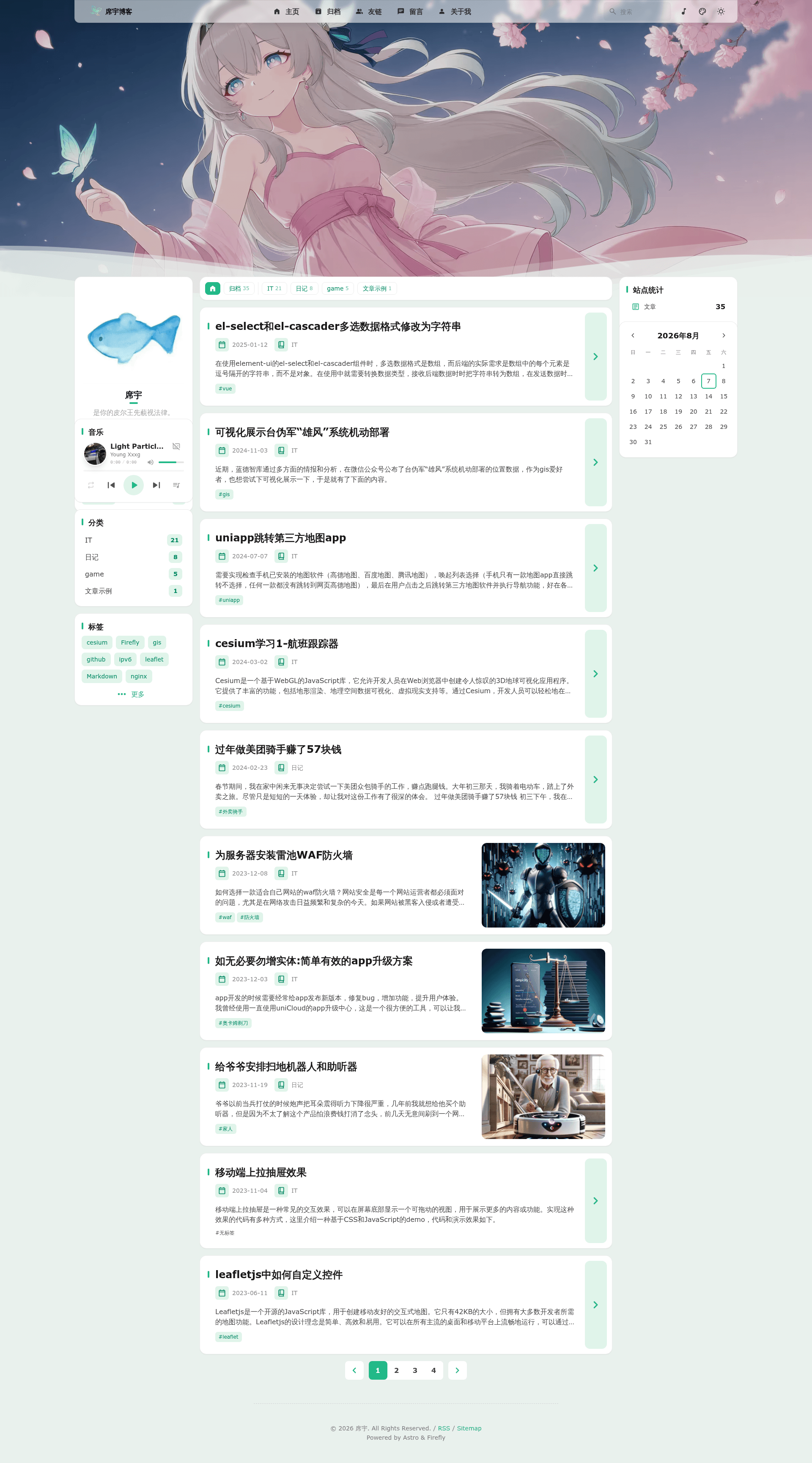
An open-source Eleventy starter blog optimized for Chinese, with perfect Lighthouse score, RSS, sitemap, search, and offline support.
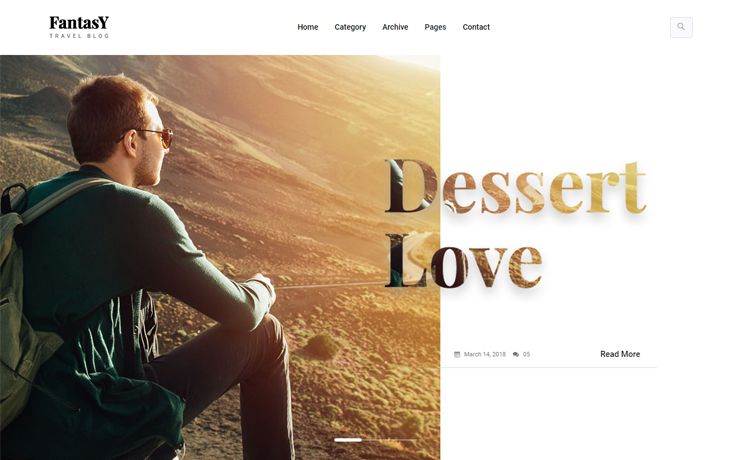
Free Bootstrap 4 HTML5 travel blog website template with responsive layout, Google Maps, newsletter signup, and multi-page design.
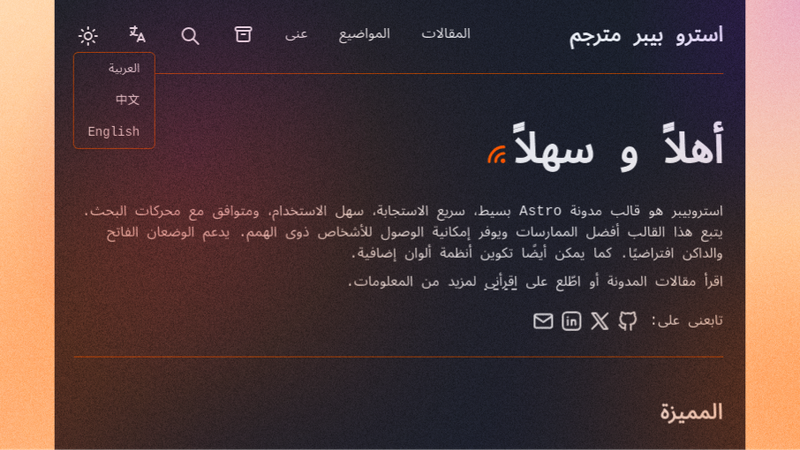
AstroPaper fork adding internationalization (i18n), RTL support, and a language switcher to Astro blog themes.
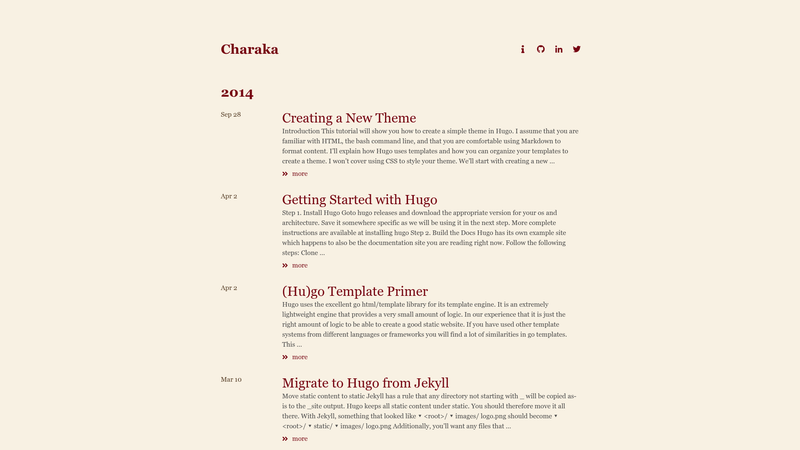
Minimalistic and responsive blog theme for Hugo, built with Bulma CSS.
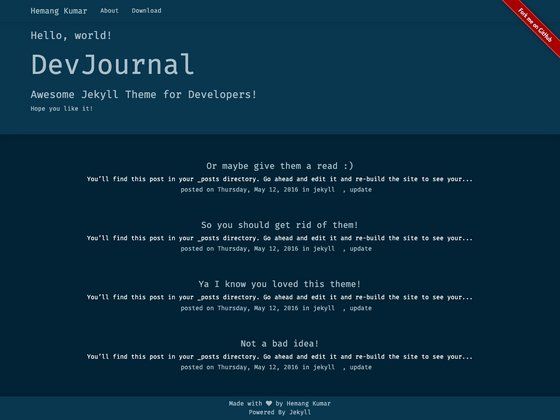
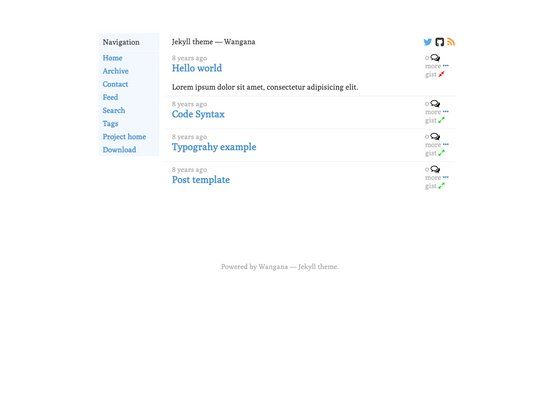
Minimalist, responsive Jekyll theme for writers and engineers with variable post types, MathJax, and GitHub Pages deployment.
eleventy-cn-blog is an open-source Eleventy (11ty) starter template that generates a fast, Chinese-friendly static blog from Markdown or Nunjucks posts. Inspired by the official eleventy-base-blog, it adds Chinese URL and date support, a perfect Lighthouse score, and a set of practical features for content publishers.
eleventy-cn-blog is a static blog generator template built on the Eleventy static site generator, created by developer xiyuvi. It takes Markdown or Nunjucks files from a _posts directory and outputs a fully static website into a _site folder, ready to deploy to any static hosting service. The template is a fork/variant of the official eleventy-base-blog, with changes focused on Chinese-language usability, such as native support for Chinese URLs and Chinese date formatting.
{% image %} shortcode optimizes images directly in Markdown content._posts using Markdown or Nunjucks, then run npm run build to get a deployable static site in _site.The template follows a straightforward workflow: clone the repository, run npm install to install dependencies, run npm run serve for a local development server, and write posts in _posts. Running npm run build compiles the content into static files in _site, which you then deploy to a server or hosting platform. This mirrors the documented usage of Eleventy and eleventy-base-blog.
chrome://flags#view-transition-on-navigation in the latest Chrome. Also, Markdown filenames that are purely numeric, Chinese, or spaces break the View Transitions effect, so posts must use descriptive filenames.eleventy-cn-blog is free and open source. You can clone, modify, and deploy it without any licensing cost, though you should follow the repository’s open-source terms.
Yes. The template bypasses the Eleventy URL beautifier plugin that fails on Chinese characters, so article URLs can include Chinese directly without extra configuration.
Yes. The template includes a Service Worker, which caches pages so readers can browse the blog without a network connection. This requires a small amount of JavaScript.
Yes. The project deliberately keeps JavaScript minimal, and you can manually delete the JS files that support non-essential features like link preloading or View Transitions without breaking the core blog.
The README reports a perfect 400/400 Lighthouse score out of the box, covering performance, accessibility, best practices, and SEO.
The View Transitions feature relies on a view-transition-name value derived from the filename; numeric-only, Chinese-only, or space-only filenames produce an invalid value, so use descriptive filenames instead.