Newsletter
Join the Community
Subscribe to our newsletter for the latest news and updates

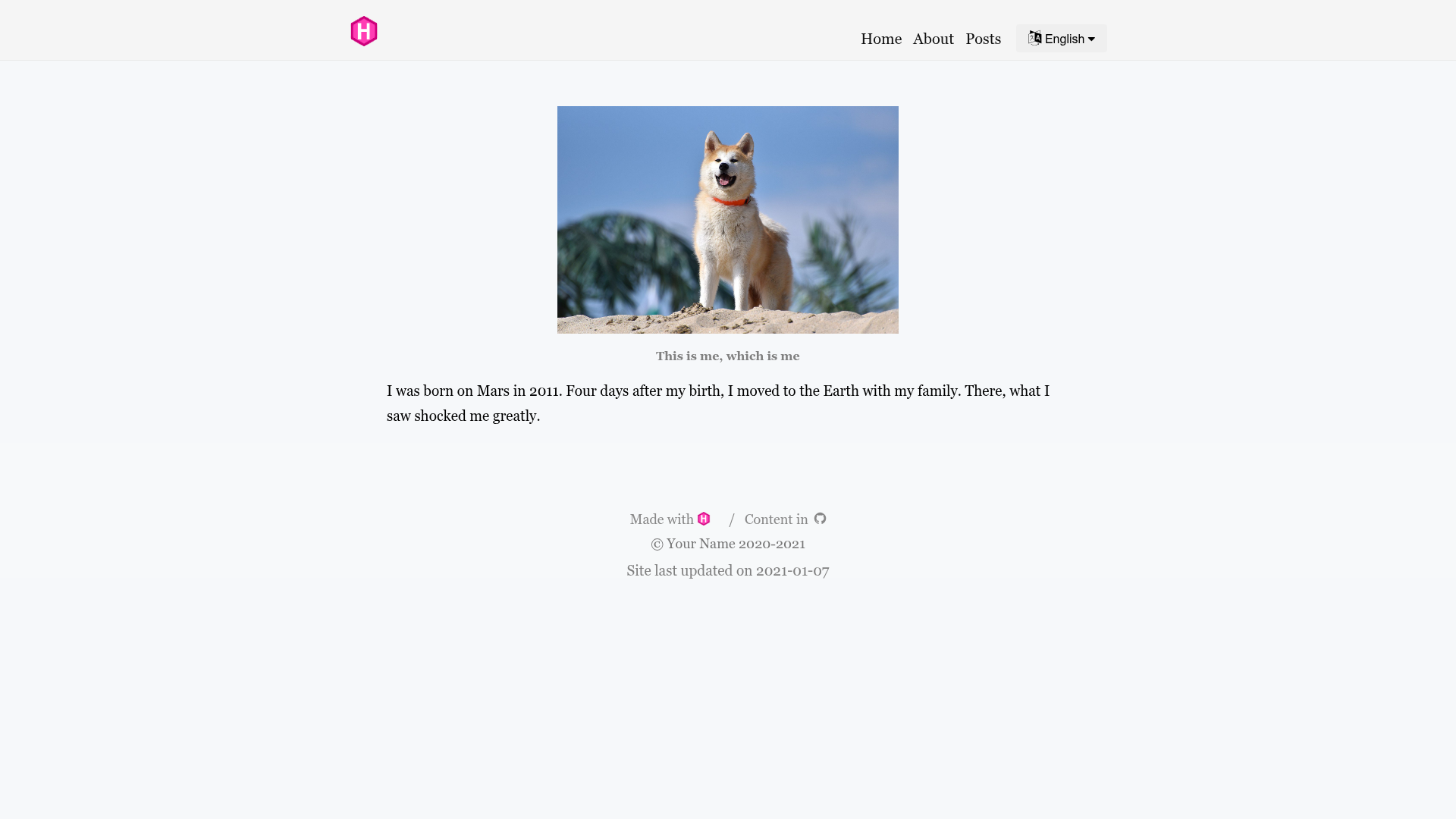
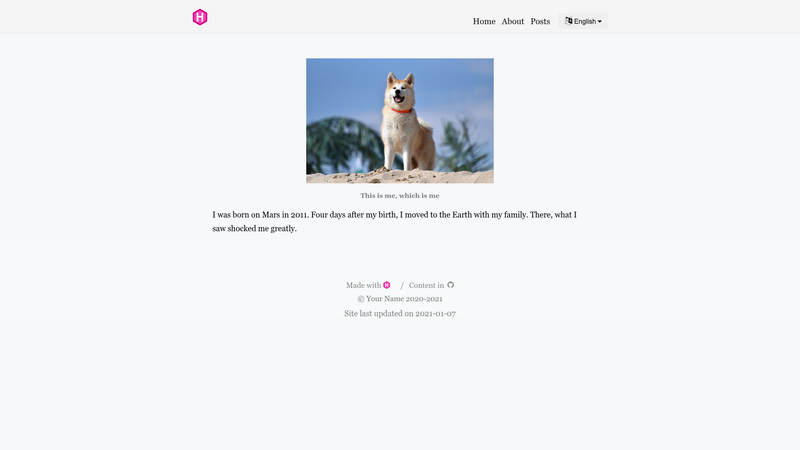
A simple, MIT-licensed Hugo theme for building multilingual personal blogs.
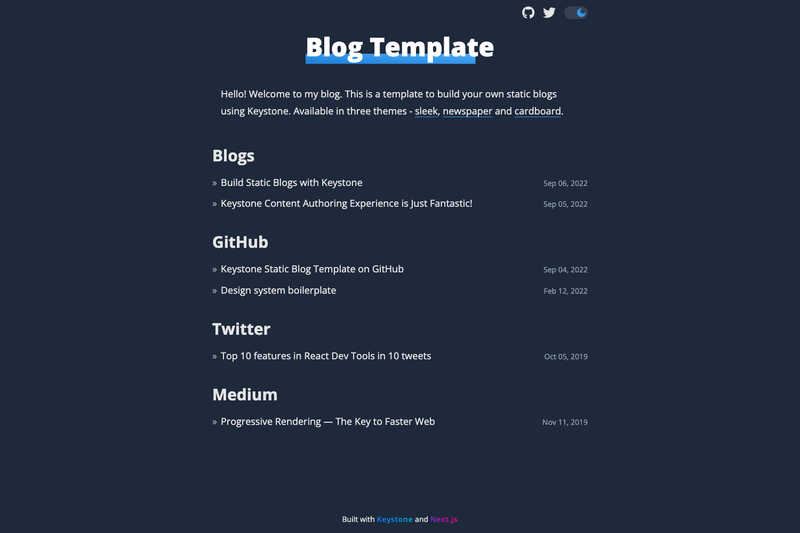
Starter template to statically generate blog websites with Next.js and Keystone.
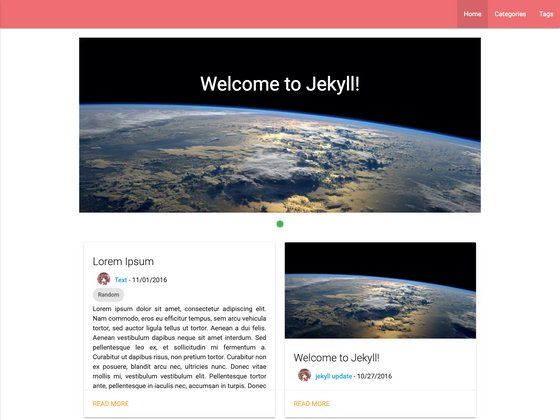
Materialize-based Jekyll theme with Material Design, responsive layout, tag/category browsing, and lazy loading images.

A beautiful, fast, AMP-compliant Jekyll theme based on Tufte CSS.

Free Bootstrap 4 HTML5 travel blog website template with responsive layout, Google Maps, newsletter signup, and multi-page design.

AstroPaper fork adding internationalization (i18n), RTL support, and a language switcher to Astro blog themes.
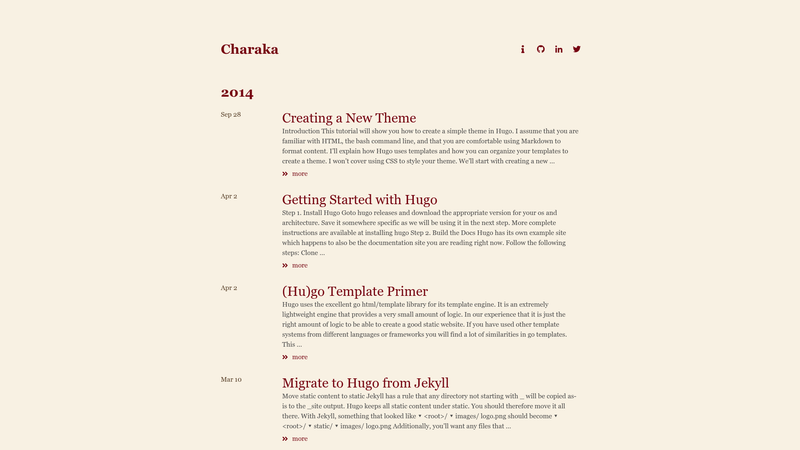
Minimalistic and responsive blog theme for Hugo, built with Bulma CSS.
Hugo HT is a Hugo theme for building multilingual personal blogs, released under the MIT License and built on Yihui Xie's hugo-xmin theme.
Hugo HT is a static site theme for the Hugo framework, created by GitHub user hongtaoh. It takes Markdown content from Hugo's content directory and renders a static multilingual blog with a table of contents and custom block styling. The theme includes an example site, an i18n folder for language strings, and a config.toml that controls the site's baseURL, GitHub repository links, and translation defaults. The project is available on GitHub at hongtaoh/hugo-ht.
Installation starts by either cloning the repository or adding it as a git submodule in the themes folder. After that, you copy the contents of exampleSite, the archetypes folder, and the config.toml into your Hugo project root. The README lists several commands, and it explains that the submodule method keeps you connected to updates, while git clone is better if you plan to make many style changes.
Yes, the theme's source code is available under the MIT License, so you can use it for personal or commercial projects, modify it, and redistribute it.
Yes. The theme includes an i18n folder where translation files live. To use another language, you edit or add translation files in that folder and set the site's default language in config.toml.
Run git clone https://github.com/hongtaoh/hugo-ht inside your Hugo project's themes directory, or add it as a git submodule with git submodule add. Then copy the exampleSite files and config.toml as described in the README.
Yes. If you installed via git submodule and later pull the latest version, changes you made to the theme files may be overwritten. The README recommends git clone if you are not familiar with Git or plan to customize heavily.
The README links to a Vercel-hosted example at hugo-ht-example.vercel.app, which shows the default appearance of the theme.