Newsletter
Join the Community
Subscribe to our newsletter for the latest news and updates

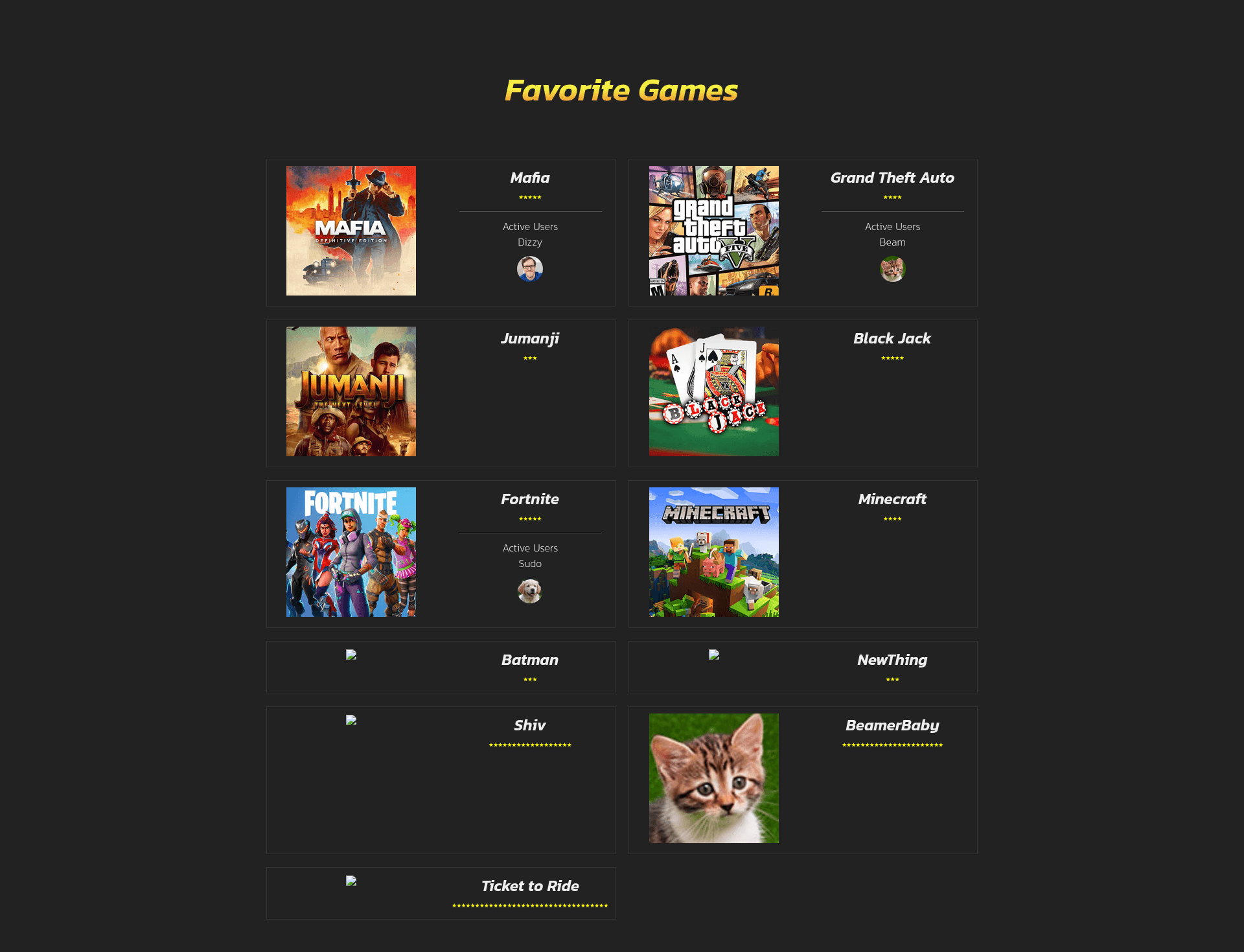
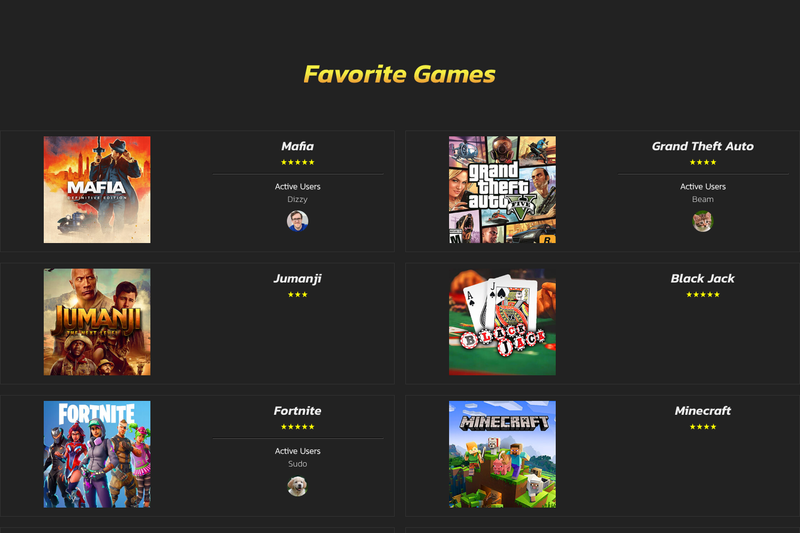
Small starter example of Hasura, Nuxt, and Netlify for Jamstack/SSR rendering

Next.js marketing website starter template powered by Contentful, with typed GraphQL queries and pre-built pages.
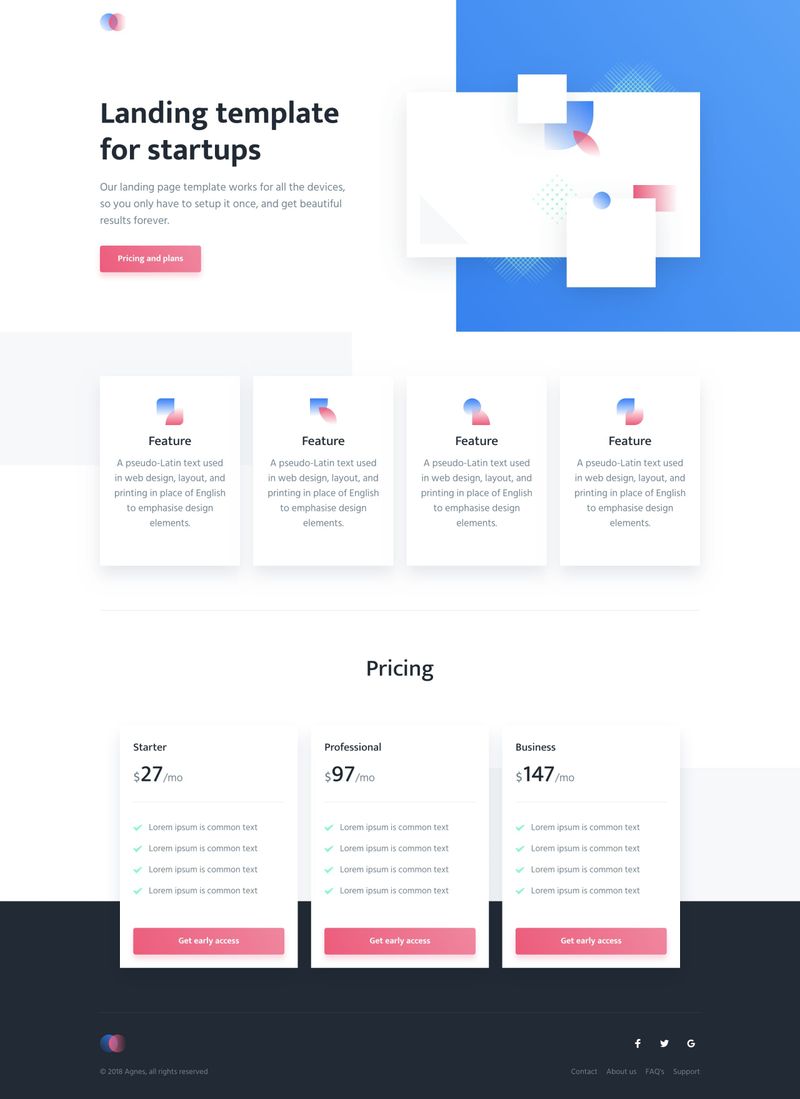
Free Hugo landing page theme, a port of Cruip's Tailwind template with intro, features, and pricing sections.
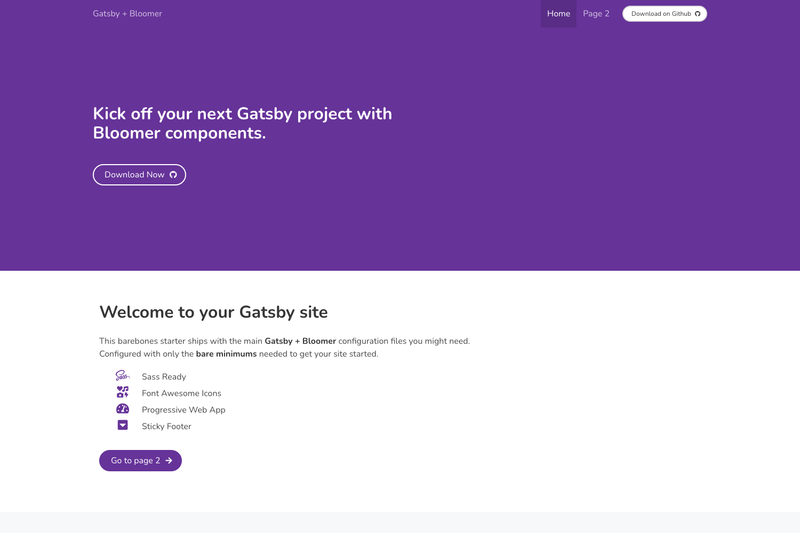
A Gatsby starter built with Bloomer components.
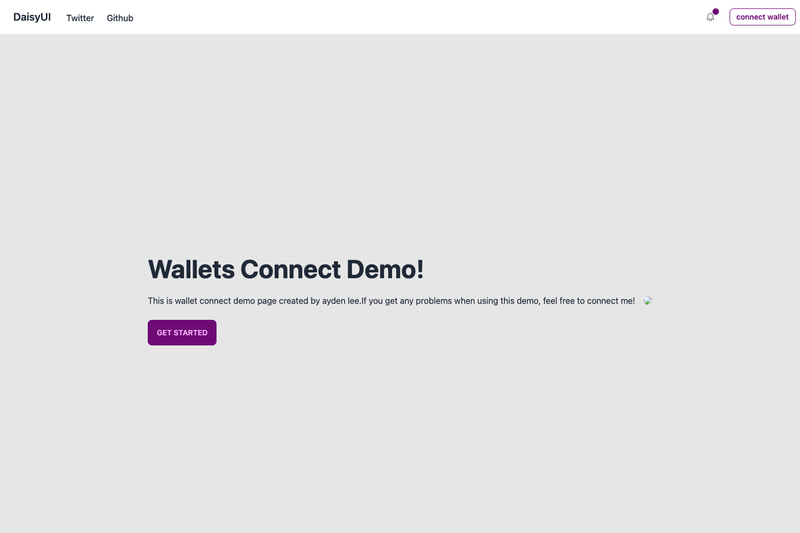
A simple wagmi hook and RainbowKit wallet demo built with Next.js.

A starter template to build amazing static websites with Gatsby, Contentful and Netlify.
FaveGame is a small Nuxt.js starter project that pairs the Hasura GraphQL engine with Netlify deployment to illustrate both static Jamstack sites and server-side rendering in a single Vue application.
FaveGame is a starter example maintained in the sdras/favegame GitHub repository that combines three technologies: Nuxt.js as the Vue framework, Hasura as a GraphQL API layer, and Netlify as the deployment platform. The project's stated purpose is to serve as a small starter example of Hasura, Nuxt, and Netlify for Jamstack and SSR rendering. It takes a Nuxt.js project structure with Hasura configuration as its input and produces a web application that can run in development mode with hot reload, be built for production, or generate a fully static version via yarn generate. The repository also links to a Netlify blog article, "GraphQL with Hasura and Nuxt," which walks through the setup.
The template's build setup defines five yarn commands that cover the full development-to-production workflow: yarn install for dependencies, yarn dev for a local development server with hot reload at localhost:3000, yarn build to create a production build, yarn start to launch the server, and yarn generate to output a static version of the project. A prominent "Deploy to Netlify" button is included in the README, giving one-click deployment from the GitHub repository to Netlify. The template is written for Nuxt.js, which natively supports both universal (SSR) and static generation modes, so the same codebase can be rendered either way. Integration with Hasura provides a GraphQL API endpoint, which is the data layer for the starter. The repository is small and focused, with 47 stars at the time of analysis, making it a concise reference rather than a full-featured boilerplate. The README also points to the official Nuxt.js documentation for further explanation of how the framework behaves.
Developers who want a hands-on example of wiring Nuxt.js to Hasura via GraphQL will find this starter useful as a reference for that specific integration. Jamstack developers targeting Netlify can use the one-click deploy button to spin up a working site in seconds and then modify it. Vue developers interested in SSR can study how the same Nuxt project supports both yarn generate for static output and yarn start for server-rendered output.
Learning GraphQL integration: Follow the linked Netlify blog article with this starter open to see how Hasura schemas and queries are used from a Nuxt frontend. Prototyping a Hasura-backed app: Deploy the repository to Netlify with one click, then replace the starter data with your own Hasura schema and Nuxt components. Evaluating Jamstack vs. SSR: Run yarn generate to produce a static build and compare it against yarn dev or yarn start to see how Nuxt handles both rendering strategies.