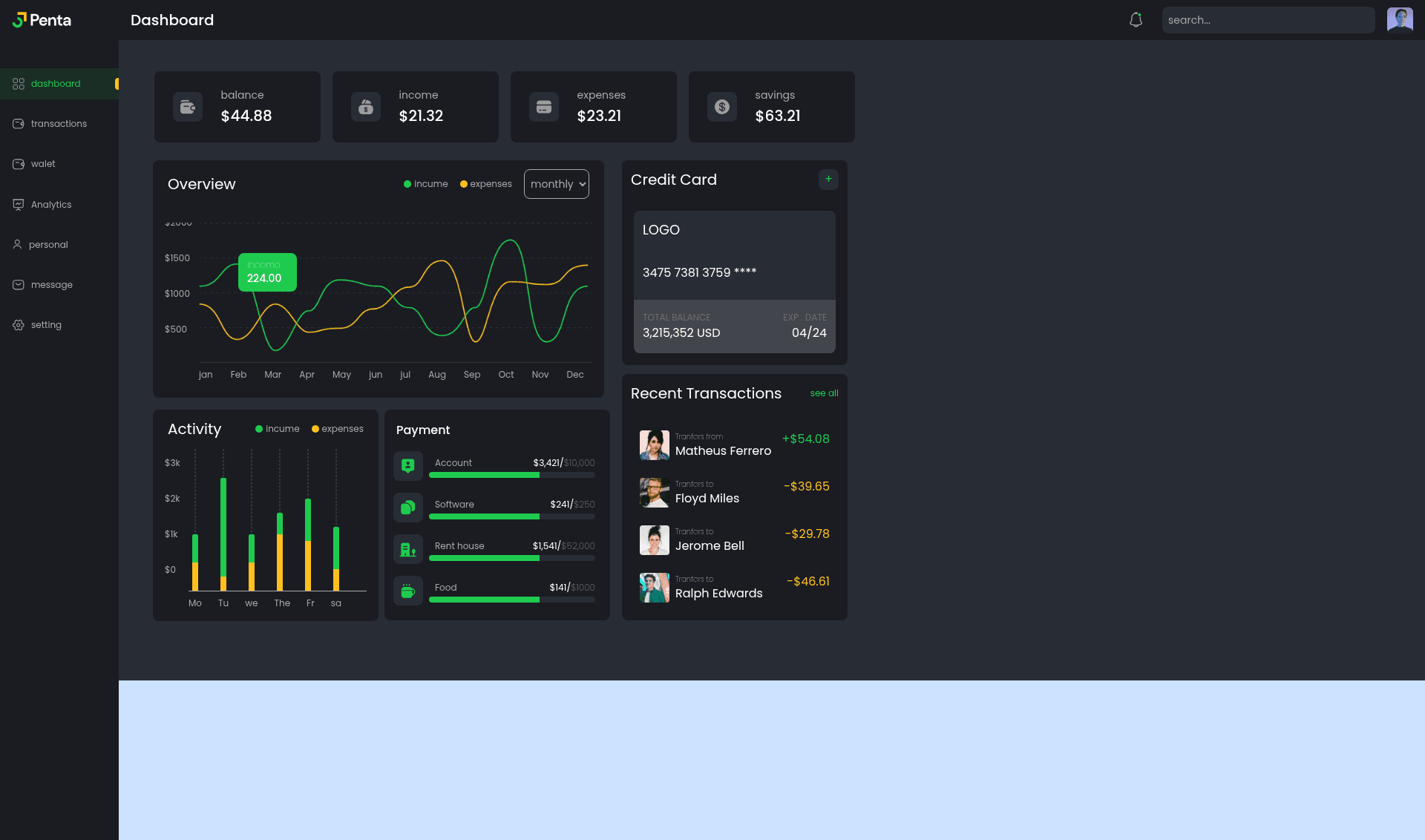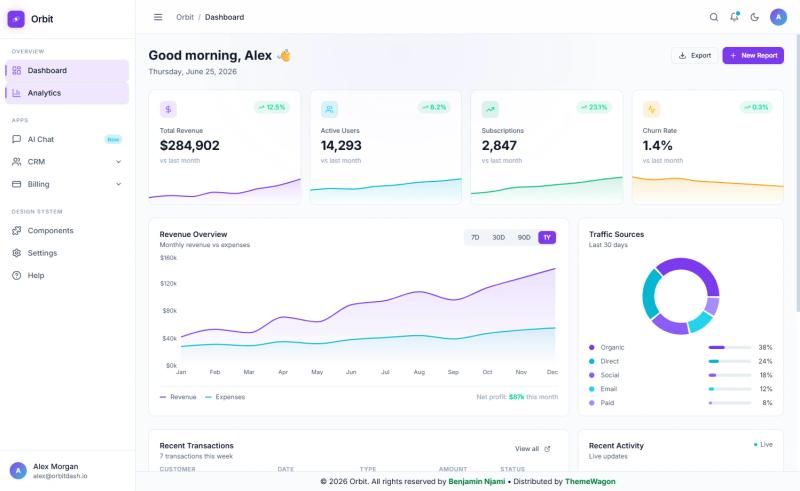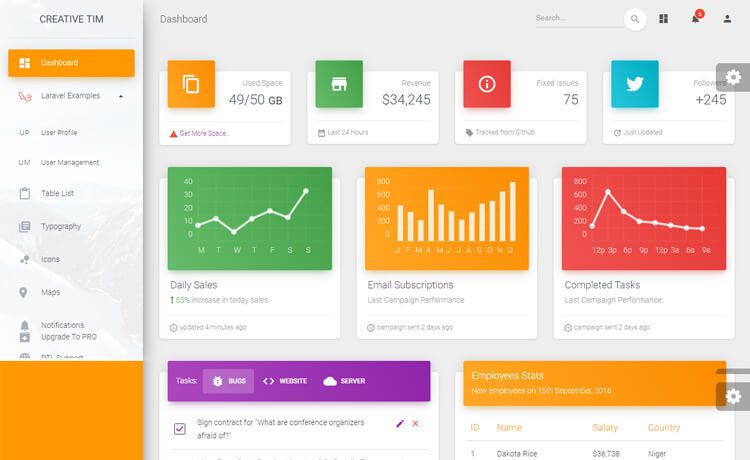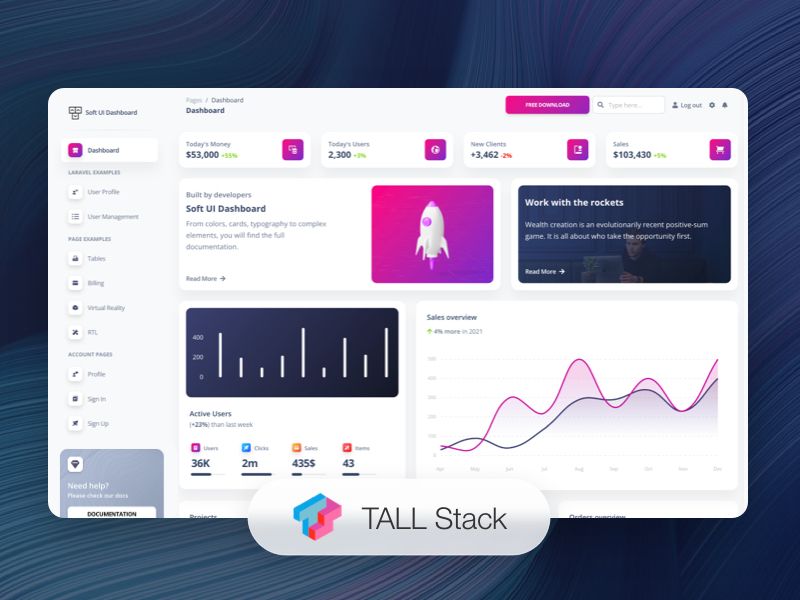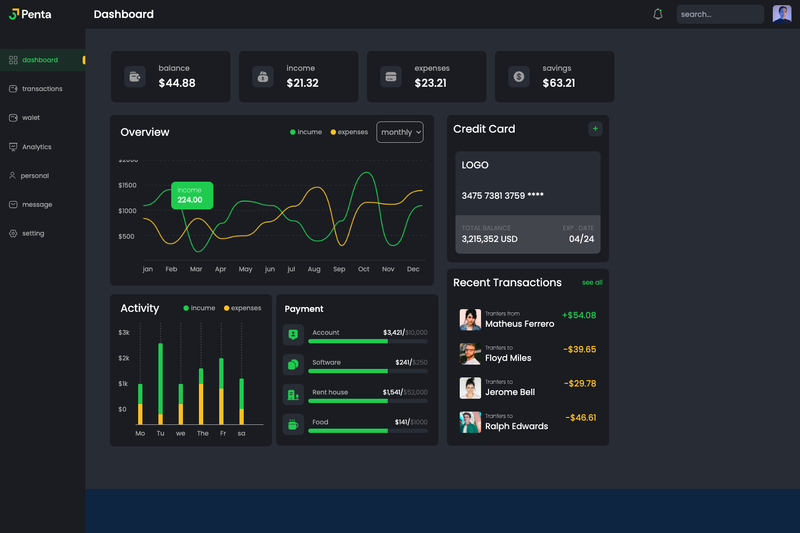
Finance Dashboard is a Next.js template that turns a Figma community UI design into runnable code for a finance dashboard focused on sending and receiving money.
What is Finance Dashboard?
Finance Dashboard is a front-end template built with Next.js and Tailwind CSS, implementing the UI of a finance dashboard for sending and receiving money. The design originates from a Figma community file, and the code translates that visual design into a runnable React application using React hooks. The repository metadata describes it as a "Finance dashboard for sending and receiving money," with topics covering dashboard, Next.js, React hooks, React, and Tailwind CSS. At the time of this analysis, the GitHub repository has 4 stars and appears to be primarily a UI implementation rather than a full-featured backend service.
Key Features
- Next.js framework — The template is built on Next.js, providing a React-based structure with file-based routing and server-side rendering capabilities.
- Tailwind CSS utility styling — All styling is done with Tailwind CSS, allowing developers to customize the dashboard's look by editing utility classes.
- React hooks architecture — The code uses React hooks for state management and side effects, keeping the components functional and modern.
- Figma community design source — The UI layout comes from a publicly available Figma community file, so the dashboard mirrors a real-world design concept.
- Money transfer interface — The dashboard is specifically oriented toward sending and receiving money, so the layout includes the typical views for such transactions (transfer forms, transaction lists, and balance displays).
- Open-source availability — The full source code is available on GitHub, so anyone can clone, modify, and build upon it.
Who is it for?
- Front-end developers — developers who need a ready-made dashboard UI for a fintech or payments project and want to avoid designing from a blank canvas.
- Designers learning to code — designers who want to see how a Figma design is translated into Next.js and Tailwind CSS, using this project as a reference.
- Hobbyist builders — individuals building a personal finance tracker or demo money-transfer app who want a clean, modern dashboard interface without spending time on UI design.
What can you do with it?
- Kickstart a fintech front-end — use the dashboard components as the starting point for a bank-like or wallet-like web application, replacing the static mock data with real API calls.
- Prototype a money transfer flow — leverage the send/receive UI to demonstrate how a money transfer feature would look and behave in a browser.
- Learn Figma-to-code workflows — study how the Figma design's spacing, colors, and component structure map to Tailwind classes and React components.
FAQ
What framework is Finance Dashboard built with?
The template is built with Next.js, a React framework, and uses Tailwind CSS for styling. The code also relies on React hooks to manage component state and effects.
Does it include backend functionality?
The repository is focused on the UI layer. It does not appear to include a backend or real financial API, based on the provided description of a front-end dashboard template.
Can I use it for a commercial project?
The repository is publicly available on GitHub, so it can likely be used and modified. However, no explicit license is mentioned in the provided content, so you should check the repository's license file before commercial use.
What is the dashboard designed for?
According to its description, the dashboard is built for sending and receiving money, so the UI centers on financial transactions and balance management.